If your cat has fleas, it’s important to take action quickly to prevent discomfort and further health issues. Fleas are not only annoying for your cat, but they can also lead to serious conditions such as skin infections, allergies, and even anemia in extreme cases. In this article, we’ll walk you through the steps to take if your cat has fleas, including treatment options, prevention, and natural remedies to keep your feline friend comfortable and healthy.
- 1. Why Fleas Are Harmful to Cats
- 2. Signs Your Cat Has Fleas
- 3. How to Treat Fleas on Cats
- 4. Natural Remedies for Flea Prevention
- 5. When to Seek Professional Help
1. Why Fleas Are Harmful to Cats
Fleas are more than just a nuisance for cats. These tiny pests can cause a variety of health problems, ranging from itching and skin irritation to more severe conditions. Here's why it's important to address flea infestations as soon as possible:

Flea Allergy Dermatitis
Flea bites can cause intense itching and discomfort, especially for cats that suffer from flea allergy dermatitis (FAD). This condition occurs when a cat's immune system overreacts to flea saliva, causing severe itching, hair loss, and skin infections.

Blood Loss and Anemia
In severe cases, fleas can cause blood loss, which may lead to anemia in cats, especially in kittens or older cats. Anemia is a serious condition that can make your cat weak, lethargic, and even life-threatening if not treated.
Transmission of Diseases
Fleas can also transmit diseases to your cat, including tapeworms and Bartonella, the bacteria responsible for cat scratch fever. Preventing flea infestations helps protect your cat from these additional risks.
2. Signs Your Cat Has Fleas
Recognizing the signs of flea infestation early can help you treat the problem before it becomes severe. Here are some common symptoms to look out for:
Excessive Scratching or Grooming
If your cat is scratching more than usual or licking its fur excessively, fleas may be the culprit. Cats often groom themselves in an attempt to remove fleas, but this can sometimes make the situation worse.
Visible Fleas or Flea Dirt
One of the most obvious signs of fleas is the presence of fleas or flea dirt (tiny black specks) on your cat’s coat. You can check for fleas by parting the fur and examining the skin closely, particularly near the base of the tail and under the belly.
Hair Loss or Bald Spots
Flea infestations can lead to hair loss or the development of bald spots, especially if your cat is constantly scratching or biting the affected areas. This may also cause the skin to become irritated or inflamed.
3. How to Treat Fleas on Cats
If you’ve confirmed that your cat has fleas, it’s important to act quickly to get rid of them. Here are some effective flea treatments for cats:
1. Flea Medications
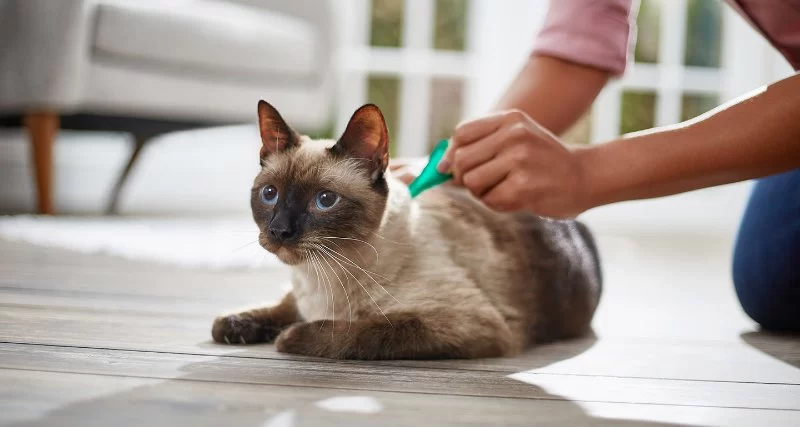
There are a variety of flea medications available that are safe and effective for cats. These include topical treatments, oral medications, and flea collars. Topical treatments like Frontline or Advantage are applied to the back of your cat’s neck and kill fleas on contact. Oral medications such as Capstar can provide quick relief by killing adult fleas, while flea collars like Seresto offer long-lasting protection.
2. Flea Shampoos
Flea shampoos can help kill fleas on your cat’s fur and skin. However, these are often not enough to completely eliminate a flea infestation, so they should be used in combination with other treatments like medications.
3. Flea Comb
A flea comb is a simple and effective tool for removing fleas from your cat’s coat. By combing through your cat’s fur, you can remove adult fleas, flea eggs, and flea dirt. This method is best used in conjunction with other treatments for more comprehensive flea control.
4. Natural Remedies for Flea Prevention
In addition to commercial flea treatments, some pet owners prefer natural remedies to prevent and manage flea infestations. While natural solutions may not be as fast-acting as chemical treatments, they can be a gentle and effective part of your flea control routine.
1. Diatomaceous Earth
Diatomaceous earth is a natural, non-toxic powder that can be sprinkled on your cat’s coat or in areas where fleas are likely to reside. It works by dehydrating fleas and causing them to die. Always use food-grade diatomaceous earth to ensure safety.
2. Herbal Flea Sprays
Herbal flea sprays made from ingredients like lavender, eucalyptus, and rosemary can help repel fleas without harsh chemicals. However, it’s important to make sure the spray is safe for cats, as some essential oils can be harmful to them.
3. Apple Cider Vinegar
Apple cider vinegar can be used as a natural flea repellent. Diluting it with water and spraying it onto your cat’s coat may help deter fleas. Make sure to avoid getting vinegar near your cat's eyes or mouth.
5. When to Seek Professional Help
If your cat’s flea infestation persists despite treatment, or if your cat shows signs of severe discomfort or illness, it’s time to seek professional help. A veterinarian can prescribe stronger medications, diagnose any underlying health issues, and provide tailored advice for your cat’s specific needs.
If you're looking for expert advice and the best products for flea treatment and prevention, consider visiting Hidden Brook Veterinary for a range of trusted solutions and services to keep your cat healthy and flea-free.