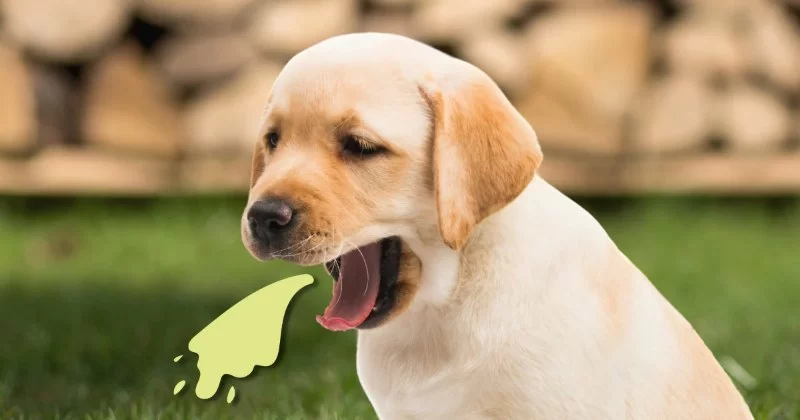
Is your dog vomiting bile in the morning? If so, you may be wondering what’s causing this uncomfortable issue and how to help your pet. Vomiting bile, especially in the morning, is a common issue in dogs, but it can be indicative of various underlying causes. Understanding these causes and knowing what to do can help keep your dog comfortable and healthy. In this article, we will explore the potential reasons behind morning bile vomiting in dogs, as well as provide advice on how to address the problem.
- 1. Why Dogs Vomit Bile in the Morning
- 2. Common Causes of Bile Vomiting in Dogs
- 3. Treatments and Remedies for Bile Vomiting
- 4. When to Seek Veterinary Help
- 5. Preventing Bile Vomiting in Dogs
1. Why Dogs Vomit Bile in the Morning
Vomiting bile, especially in the morning, is usually linked to an empty stomach or digestive issues. When a dog hasn't eaten for several hours (such as overnight), the stomach may produce bile, a digestive fluid produced by the liver. Without food in the stomach to absorb it, bile can irritate the stomach lining, leading to vomiting. While this can be a normal response, frequent vomiting of bile may indicate a deeper issue.

Empty Stomach Syndrome
One common cause of bile vomiting is an empty stomach. After a long night’s sleep, your dog’s stomach may be empty by morning, causing bile to accumulate and irritate the stomach lining, which can lead to vomiting. This type of vomiting typically happens early in the morning, right after your dog wakes up.
Acid Reflux
Another possible reason for morning bile vomiting is acid reflux. Similar to humans, dogs can experience acid reflux when the stomach acids back up into the esophagus. This can cause discomfort, nausea, and vomiting, particularly in the morning when the stomach is still empty.
Gastrointestinal Issues
In some cases, chronic vomiting of bile may be linked to gastrointestinal issues such as gastritis, inflammatory bowel disease (IBD), or pancreatitis. These conditions can cause irritation of the digestive tract, leading to frequent vomiting, including bile.
2. Common Causes of Bile Vomiting in Dogs
While empty stomach syndrome is one of the most common causes of morning bile vomiting, there are several other factors that can contribute to this problem:
1. Eating Too Quickly
Some dogs have a tendency to eat too quickly, which can lead to vomiting. When dogs eat rapidly, they can swallow air along with their food, causing discomfort and nausea. This can sometimes result in the vomiting of bile if the stomach isn’t able to handle the quick digestion process.
2. Dietary Changes
Sudden changes in your dog’s diet, whether it’s switching to a new food or introducing new treats, can upset their digestive system. This can lead to bile vomiting, especially if the stomach is not used to the new ingredients.
3. Food Sensitivities or Allergies
Some dogs may have sensitivities or allergies to certain ingredients in their food, which can lead to digestive upset, including bile vomiting. Common allergens include grains, dairy, and specific proteins, such as beef or chicken.
4. Medical Conditions
More serious medical conditions, such as liver disease, kidney disease, or pancreatitis, can cause bile vomiting. If your dog has been vomiting regularly, or if the vomiting is accompanied by other symptoms like lethargy or changes in appetite, it’s important to consult with your veterinarian to rule out underlying health problems.
3. Treatments and Remedies for Bile Vomiting
If your dog is vomiting bile in the morning, there are several remedies you can try to help alleviate the issue:
1. Adjust Feeding Schedule
Feeding your dog smaller, more frequent meals throughout the day can help prevent bile buildup and irritation. This can also prevent your dog from having an empty stomach for too long, reducing the chances of bile vomiting. You may want to consider feeding your dog a light meal before bedtime to avoid an empty stomach in the morning.
2. Slow Down Feeding
If your dog eats too quickly, try using a slow feeder bowl or puzzle feeder. These types of feeders encourage your dog to eat more slowly, which can reduce the chances of vomiting after meals.
3. Probiotics and Digestive Aids
Adding probiotics or digestive enzymes to your dog’s diet can help improve digestion and prevent vomiting. These supplements can support the gastrointestinal system, balance stomach acids, and improve overall digestive health.
4. Hydration and Nutritional Support
Ensuring that your dog stays well-hydrated and receives a balanced diet is essential for preventing vomiting. If your dog is vomiting frequently, make sure to provide them with fresh water and consider offering a bland, easily digestible diet to help calm their stomach.
4. When to Seek Veterinary Help
If your dog is vomiting bile regularly, or if the vomiting is accompanied by other concerning symptoms, such as lethargy, diarrhea, loss of appetite, or changes in behavior, it’s time to seek veterinary help. Persistent vomiting may indicate an underlying health condition that requires professional diagnosis and treatment.
Your veterinarian will conduct a thorough examination and may recommend diagnostic tests such as blood work, X-rays, or ultrasounds to determine the cause of your dog’s vomiting. Early detection and treatment are crucial for managing any underlying health issues and preventing further complications.
5. Preventing Bile Vomiting in Dogs
To prevent your dog from vomiting bile in the morning, consider these proactive steps:
1. Maintain a Consistent Feeding Schedule
Consistency is key to preventing bile vomiting. Feed your dog at the same times every day, and avoid long gaps between meals. You may also want to feed your dog a small, easily digestible snack before bedtime to prevent an empty stomach in the morning.
2. Manage Your Dog’s Diet
Stick to a high-quality, well-balanced diet that meets your dog’s nutritional needs. Avoid sudden changes in food, and be mindful of any food sensitivities or allergies your dog may have. If you’re unsure about the best food for your dog, consult with your veterinarian.
3. Monitor Your Dog’s Health
Regular veterinary check-ups are essential for maintaining your dog’s overall health. Routine exams can help catch potential health issues early and ensure your dog’s digestive system is functioning properly.
If your dog is vomiting bile or experiencing other digestive issues, it’s important to consult with a professional to identify the cause and receive appropriate treatment. For expert advice and care, visit Hidden Brook Veterinary and ensure your dog’s health is in good hands.