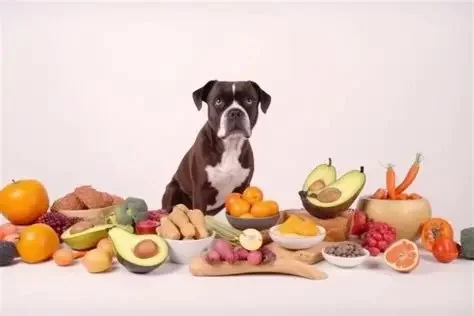
Understanding Pet Anxiety and the Role of Diet
Pet anxiety is a common issue that many pet owners face. Whether it’s due to separation anxiety, loud noises, or changes in their environment, pets often exhibit signs of stress. While behavioral training and calming techniques are often the first approach to managing anxiety, the role of diet in alleviating these symptoms is often overlooked. In this article, we will dive deep into how diet can help manage pet anxiety and provide practical tips for owners looking to improve their pet’s mental well-being through nutrition.
The Connection Between Diet and Mental Health in Pets
Just like in humans, a pet’s mental health is closely connected to their physical health. The food pets consume can directly affect their mood, energy levels, and stress response. Many pet owners may not realize that certain nutrients and ingredients can have a calming effect, while others may exacerbate anxiety symptoms.
Understanding how the right foods can affect your pet’s brain chemistry is essential. For example, Omega-3 fatty acids, found in fish and flaxseeds, are known for their ability to reduce inflammation in the brain, which in turn can help alleviate symptoms of anxiety. On the other hand, foods high in sugar or artificial additives can contribute to hyperactivity and irritability in pets, making anxiety worse.

Key Nutrients That Can Help Calm Your Pet
When it comes to managing pet anxiety, several key nutrients are especially beneficial in promoting relaxation and reducing stress. Here are some of the most important ones:
- Omega-3 Fatty Acids: Found in fish oils and flaxseeds, Omega-3 fatty acids are known to improve brain function and help regulate mood. They also have anti-inflammatory properties that can reduce stress and anxiety in pets.
- Magnesium: This mineral plays a vital role in nerve function and muscle relaxation. Magnesium can help soothe anxious pets and improve their overall relaxation levels.
- Vitamin B Complex: B vitamins, particularly B6 and B12, help regulate the nervous system. They are essential for managing stress and calming the brain.
- L-Tryptophan: A precursor to serotonin, a neurotransmitter that helps regulate mood. L-Tryptophan is commonly found in turkey, eggs, and milk and can have a calming effect on pets.
- Probiotics: Gut health plays a significant role in mental health. Probiotics help maintain a healthy gut flora, which can positively influence mood and behavior.
Foods That May Help Calm Your Pet’s Anxiety
Incorporating anxiety-reducing foods into your pet’s diet is a great place to start. Here are some options to consider:
- Fish: Fatty fish like salmon, mackerel, and sardines are rich in Omega-3 fatty acids and can have a soothing effect on your pet’s nervous system.
- Sweet Potatoes: These are rich in vitamins B6 and C, which support the production of serotonin in the brain, contributing to a calm and balanced mood.
- Turkey: High in L-tryptophan, turkey can boost serotonin levels and help your pet relax.
- Oats and Rice: These grains are not only easily digestible but also help regulate blood sugar levels, preventing energy spikes and crashes that can contribute to anxiety.
- Pumpkin: Rich in fiber, pumpkin aids digestion and supports a healthy gut, which in turn can benefit your pet’s mental health.
Commercial Pet Foods and Supplements for Anxiety
If you prefer to go the commercial route, many pet food brands offer specially formulated products designed to help manage anxiety in pets. These foods often contain a blend of calming ingredients like Omega-3s, L-tryptophan, and magnesium to promote relaxation. Additionally, there are various supplements available that can complement your pet’s diet, such as calming chews or treats enriched with these ingredients.
Before introducing any new food or supplement, it’s important to consult with your veterinarian. Every pet is different, and your vet can help guide you in selecting the best options for your pet’s unique needs.
Real-World Example: How Diet Helped Manage Anxiety in a Rescue Dog
One example of how diet can positively influence pet anxiety comes from a rescue dog named Max. Max was adopted from a shelter and struggled with separation anxiety, especially when left alone. His owners noticed that he was frequently restless, barking excessively, and even chewing on furniture when they left the house.
After consulting with their vet, Max’s owners decided to try adjusting his diet. They added foods rich in Omega-3 fatty acids and L-tryptophan, such as salmon and turkey, to his meals. They also started giving him calming supplements that contained magnesium and vitamin B6. Within a few weeks, Max’s behavior improved significantly. He was more relaxed when left alone, and his anxiety symptoms became much more manageable.
This case illustrates how a tailored diet, combined with other anxiety-reducing strategies, can help pets live calmer, more balanced lives. Every pet is different, but for Max, diet played a crucial role in his recovery from anxiety.
When to Seek Professional Help for Your Pet’s Anxiety
While diet can play a significant role in managing pet anxiety, it’s essential to understand that severe anxiety may require additional interventions. If your pet’s anxiety symptoms persist despite dietary adjustments, it’s important to seek help from a professional. A veterinarian or animal behaviorist can recommend a comprehensive treatment plan that may include behavior modification techniques, training, or even medication in some cases.
Conclusion: The Power of a Balanced Diet for Managing Pet Anxiety
Incorporating a well-balanced diet into your pet’s daily routine is an effective way to help manage anxiety and improve their overall mental health. By providing your pet with the right nutrients, you can support their emotional well-being and create a calmer, more relaxed environment for both of you. Always consult with your veterinarian before making changes to your pet’s diet or introducing new supplements, and be patient as you work together to find the best solution for your pet.
For more advice on managing pet anxiety through diet and other strategies, visit Hidden Brook Veterinary for expert recommendations and resources.