- understanding-why-hydration-matters-for-pets
- daily-water-needs-for-dogs-and-cats
- hydration-needs-based-on-lifestyle-and-diet
- how-to-spot-dehydration-early
- real-owner-experiences-and-veterinary-insights
- tools-and-tips-to-keep-your-pet-hydrated
1. Understanding Why Hydration Matters for Pets
1.1 The Science Behind Hydration
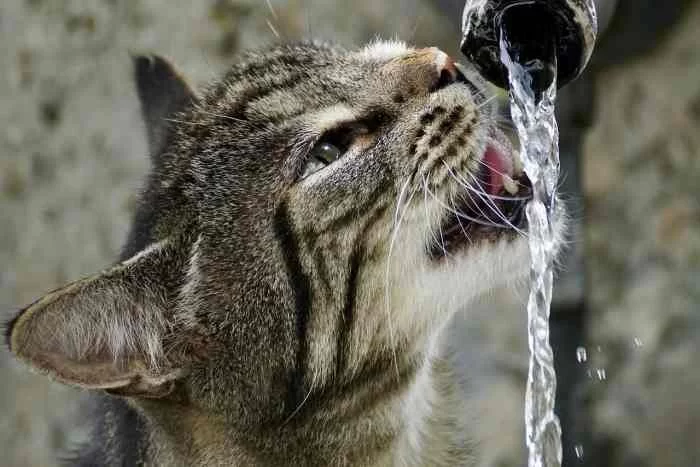
Water supports every metabolic function in your pet’s body—from digestion to regulating temperature. Inadequate hydration can quickly lead to serious health issues such as kidney disease, urinary tract infections, and heatstroke.
1.2 Why 2025 Brings New Focus
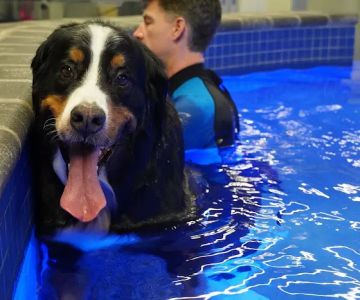
With climate change increasing the number of hot days across the U.S., hydration has become more critical than ever. Veterinarians at Hidden Brook Veterinary report a growing number of cases related to heat stress and chronic dehydration in pets over the past two years.

2. Daily Water Needs for Dogs and Cats
2.1 Dogs: A General Rule of Thumb
Most dogs need approximately one ounce of water per pound of body weight per day. So, a 50-pound dog should drink about 50 ounces of water daily. Active breeds or dogs in warm climates may need more.
2.2 Cats: Sneaky Drinkers, Silent Risk
Cats are notorious for low water intake, especially those fed dry food diets. While they need roughly 3.5–4.5 ounces of water per 5 pounds of body weight, they rarely drink that much voluntarily. This is why hydration-based feeding methods are often recommended.
3. Hydration Needs Based on Lifestyle and Diet
3.1 Wet vs. Dry Food Impact
Pets consuming wet or raw diets naturally intake more moisture than those on kibble. A cat on a canned diet may receive 70% of its hydration from food, whereas a kibble-fed cat relies heavily on drinking water.
3.2 Outdoor Activity and Climate
In regions like Arizona or Texas, outdoor pets require 20–30% more water during summer. Even indoor pets living in dry or air-conditioned environments can become dehydrated faster than expected.
3.3 Age and Medical Conditions
Puppies, kittens, senior pets, and those with conditions like diabetes or kidney problems often need customized hydration strategies. Regular vet consultations help adapt to their changing needs.
4. How to Spot Dehydration Early
4.1 Subtle Signs of Trouble
Look out for symptoms like lethargy, dry gums, sunken eyes, and decreased skin elasticity. Try the skin pinch test: gently pull up the skin between your pet's shoulder blades—if it doesn't snap back quickly, they may be dehydrated.
4.2 When to Seek Veterinary Help
If your pet refuses water, vomits repeatedly, or seems unusually weak, immediate vet care is crucial. Dehydration can escalate rapidly, especially in small or old pets.
5. Real Owner Experiences and Veterinary Insights
5.1 Cooper the Labrador’s Summer Scare
In July 2024, a Michigan couple brought their Lab, Cooper, to Hidden Brook Veterinary after he collapsed on a hike. Despite plenty of water at home, Cooper hadn't drunk enough during the hike. He was diagnosed with mild dehydration and fully recovered after IV fluids—but the lesson stuck.
5.2 Dr. Reynolds on Modern Hydration Monitoring
Dr. Reynolds recommends digital pet bowls that monitor intake. “The biggest shift in 2025 is tech-based hydration tracking. Devices like smart bowls or fountain systems with Bluetooth alerts help owners stay on top of fluid consumption.”
6. Tools and Tips to Keep Your Pet Hydrated
6.1 Smart Hydration Gear
Pet water fountains with filters not only encourage drinking but also keep water clean. Some even have LED indicators to show when water levels drop, which is helpful during travel or long workdays.
6.2 Frozen Treats and Hydrating Foods
Frozen watermelon chunks for dogs or ice cubes made with tuna water for cats are popular ways to add moisture. Pet-safe broths are another great alternative, especially for senior pets or picky drinkers.
6.3 Routine Vet Visits
Stay proactive with annual exams. Vets can evaluate hydration status, adjust care plans, and recommend hydration boosters if necessary. Hidden Brook Veterinary offers hydration counseling as part of their wellness packages.