Senior Pet Care: Tips to Help Your Aging Dog or Cat Live Comfortably
As our beloved pets grow older, they deserve extra care and attention to ensure they continue living a happy, comfortable life. Just like humans, senior pets experience changes in mobility, appetite, and overall health. Understanding how to adjust their routines and environment can make a tremendous difference in their quality of life. This guide explores practical ways to care for aging dogs and cats — from diet adjustments to emotional support — and highlights how Hidden Brook Veterinary can help keep your furry companions thriving.

1. Understanding When Your Pet Becomes a Senior
Age affects pets differently depending on their species, breed, and size. Generally, dogs are considered senior around age seven, while cats may reach senior status closer to ten. Large dog breeds tend to age faster than smaller ones. Recognizing the early signs of aging, such as reduced activity, cloudy eyes, or changes in weight, is essential for proactive senior pet care.
Every pet’s aging journey is unique, but regular wellness check-ups with professionals like Hidden Brook Veterinary can help detect potential issues before they become serious. A veterinarian’s expertise ensures your pet’s transition into their senior years is smooth, safe, and supported by the best care plan.

2. Nutrition: The Foundation of Senior Pet Health
One of the most significant changes for older pets is their nutritional needs. Senior dogs and cats often require fewer calories but more nutrients to maintain muscle mass and support joint and organ health. Diets rich in omega-3 fatty acids, antioxidants, and high-quality proteins can help manage inflammation and boost energy levels.
For instance, a 12-year-old cat with arthritis may benefit from fish oil supplements and a diet formulated for joint health. Similarly, senior dogs might need soft, easy-to-chew kibble if they have dental problems. Your veterinarian can recommend specialized senior pet foods that match your pet’s specific health needs. At Hidden Brook Veterinary, nutrition consultations are designed to help pet owners choose diets that promote vitality and comfort in their aging companions.
3. Exercise and Mobility Support
While your senior pet might not have the same energy as before, maintaining an active lifestyle is vital for their well-being. Regular, gentle exercise helps prevent obesity, maintain muscle tone, and keep joints flexible. Short walks, swimming, or interactive play sessions can do wonders for both dogs and cats.
In cases of reduced mobility, simple adjustments at home can make life easier. Consider providing ramps or pet stairs to help them reach couches or beds, placing rugs on slippery floors, and elevating food bowls to reduce strain on the neck and back. Remember, consistency is key — small, daily movements are more beneficial than sporadic bursts of activity.
4. Regular Veterinary Checkups and Preventive Care
Routine vet visits are crucial for detecting early signs of health issues in senior pets. Conditions such as kidney disease, diabetes, and heart problems are more common in older animals but can be managed effectively with early intervention. Most veterinarians recommend senior pets visit at least twice a year for checkups and blood work.
Veterinary clinics like Hidden Brook Veterinary offer specialized senior wellness programs that include physical exams, lab tests, and dental evaluations. Regular monitoring not only helps catch illnesses early but also provides peace of mind that your furry friend is receiving the best possible care. Preventive care — such as vaccinations, parasite control, and dental hygiene — remains as important as ever in your pet’s golden years.
5. Pain Management and Comfort Solutions
Joint pain, arthritis, and general stiffness are common issues in aging pets. Fortunately, modern veterinary medicine offers several pain management options, including anti-inflammatory medications, laser therapy, acupuncture, and physical rehabilitation. Comfort measures like orthopedic beds or heated pads can also provide relief for sore muscles and joints.
Pet parents often notice improvements in their animal’s mood and mobility when pain is properly managed. If your senior pet seems reluctant to climb stairs or has difficulty standing up, it’s essential to consult a professional. The compassionate team at Hidden Brook Veterinary can assess your pet’s condition and recommend safe, effective treatment plans to ease discomfort and improve daily life.
6. Mental Stimulation and Emotional Support
Senior pets may experience cognitive decline, often referred to as “doggy dementia” or feline cognitive dysfunction. Signs include confusion, restlessness, or disrupted sleep patterns. Keeping your pet’s mind active is just as important as maintaining their physical health. Simple brain games, new toys, and gentle training exercises can help stimulate cognitive function and keep them engaged.
In addition to mental exercise, emotional support plays a vital role in senior pet care. Older pets may become more dependent on companionship and reassurance. Maintaining a consistent routine, providing extra cuddles, and minimizing stress at home can significantly enhance their emotional well-being.
7. Creating a Comfortable Environment at Home
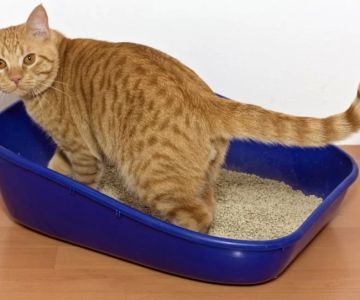
Small environmental adjustments can dramatically improve your senior pet’s comfort. Ensure they have a quiet, warm spot to rest, free from drafts and high traffic. Orthopedic beds support aging joints, while pet ramps or non-slip mats make movement around the house easier. For cats, adding litter boxes on each floor and lowering their entry height can prevent accidents.
Lighting is another overlooked factor — senior pets often suffer from vision decline, so keeping spaces well-lit helps them navigate safely. A comfortable environment gives your pet a sense of security and helps reduce anxiety as they age.
8. The Power of Love and Patience in Senior Pet Care
Caring for an aging pet requires compassion, patience, and understanding. It’s about cherishing each moment and ensuring their final years are filled with love and comfort. While physical health is important, emotional connection is equally powerful. A gentle touch, a familiar voice, and shared routines all contribute to their happiness.
Every wag of a tail or soft purr reminds us why these loyal companions deserve our best care. Whether it’s scheduling regular vet visits or simply spending more quality time together, your efforts will make their golden years truly shine. To learn more about personalized senior pet care and wellness plans, visit Hidden Brook Veterinary — your trusted partner in helping pets live long, comfortable lives.