Pet Anxiety: How to Train Your Dog to Stay Calm
Understanding Pet Anxiety in Dogs
Many dogs experience anxiety, just like humans. It can show up in different ways—whining when left alone, hiding during thunderstorms, or pacing when meeting new people. Pet anxiety is not a sign of weakness in your dog; it’s often a natural response to stress, change, or fear. In the United States, surveys show that nearly 70% of dogs display some form of anxiety, making it a common challenge for pet parents.

Common Triggers of Anxiety
Dogs may feel anxious due to loud noises such as fireworks, sudden changes in environment, or even long separations from their owners. Some pets develop separation anxiety, becoming distressed whenever their human leaves the house. Understanding these triggers is the first step toward helping your dog feel safe and calm.
Signs Your Dog May Be Anxious
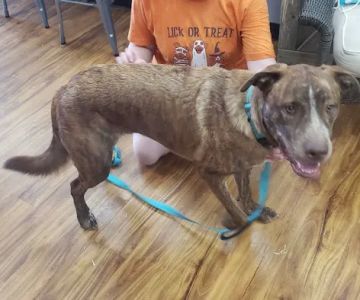
Recognizing anxiety is important because dogs cannot tell us directly how they feel. Common signs include excessive barking, destructive chewing, trembling, pacing, or accidents inside the house. In severe cases, anxiety may lead to self-harming behaviors like licking or biting their own paws. Being attentive to these signals allows you to take action before the problem worsens.
Physical and Behavioral Clues
Look for subtle signs such as dilated pupils, ears pinned back, or frequent yawning when no one is tired. Dogs communicate discomfort through body language, and learning to read it will help you intervene at the right time. By noticing these cues early, you can begin training methods that address anxiety before it escalates.
Training Methods to Keep Dogs Calm
Training plays a powerful role in easing pet anxiety. Rather than punishing nervous behavior, the goal is to replace fear with comfort and confidence through positive reinforcement.
1. Desensitization and Counterconditioning
If your dog is afraid of thunderstorms, gradually exposing them to recorded storm sounds at a low volume while offering treats can help them associate the noise with positive experiences. Over time, increasing the sound level helps your dog learn that the trigger is not a threat. This method requires patience but has lasting effects.
2. Creating a Safe Space
Designate a quiet, cozy spot in your home where your dog can retreat during stressful times. Fill the area with familiar toys, blankets, or even your worn clothing, which carries your scent. This space should be associated with calmness, never punishment.
3. Routine and Exercise
Dogs thrive on routine. Feeding, walking, and playtime at consistent times each day reduce uncertainty and anxiety. Physical exercise is especially effective at reducing stress, as a tired dog is often a relaxed dog. Activities like fetch, agility training, or long walks can significantly improve emotional balance.
Natural and Professional Support
Alongside training, there are natural methods and professional services that can ease pet anxiety. Calming chews, pheromone diffusers, and anxiety wraps are popular tools that many American pet owners rely on. For more complex cases, behavioral therapy or veterinary consultation may be necessary. At Hidden Brook Veterinary, specialists can recommend tailored strategies to manage anxiety safely and effectively.
Real-Life Story of Progress
Take Max, a rescue Labrador from Texas who suffered from severe separation anxiety. Every time his owner left for work, Max chewed furniture and barked nonstop. Through consistent desensitization training, daily exercise, and guidance from veterinary professionals, Max transformed into a calmer, happier dog within a few months. Stories like Max’s prove that with the right approach, progress is possible.
Building Long-Term Confidence
The ultimate goal of addressing pet anxiety is not just to reduce symptoms but to build resilience. Dogs that feel secure and confident handle stress better, whether it’s a trip to the vet, a new family member, or a sudden loud noise. Training your dog to stay calm is an ongoing journey, requiring patience, love, and consistency. When needed, expert help from Hidden Brook Veterinary ensures you’re never alone in this process.