- Why-Pet-Obesity-Is-a-Growing-Issue-in-2025
- How-to-Tell-if-Your-Pet-Is-Overweight
- Understanding-Ideal-Weight-by-Breed-and-Size
- Daily-Habits-That-Contribute-to-Pet-Weight-Gain
- Real-Stories-of-Weight-Loss-Success
- How-to-Help-Your-Pet-Get-Back-on-Track
1. Why Pet Obesity Is a Growing Issue in 2025
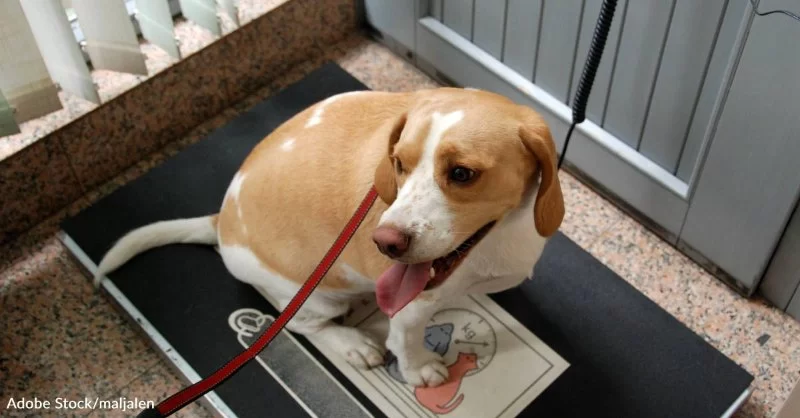
In 2025, more American pets are facing obesity than ever before. According to the latest Pet Obesity Prevention Report, an estimated 61% of cats and 58% of dogs are classified as overweight or obese. The shift toward indoor lifestyles, high-calorie treats, and reduced physical activity is dramatically impacting pet health.
Obesity in pets isn’t just a cosmetic concern—it can lead to joint problems, diabetes, reduced lifespan, and even cancer. More importantly, many pet owners don’t even realize their furry friend is overweight until serious health symptoms appear. This makes proactive awareness essential.
For personalized guidance, nutrition plans, and expert vet advice, Hidden Brook Veterinary offers specialized consultations to help your pet thrive at a healthy weight.
253 Hurffville - Cross Keys Rd #5b, Sewell, NJ 08080, USA
See Details2. How to Tell if Your Pet Is Overweight
So how can you tell if your pet is carrying too much weight? You don’t need a scale right away—just use your eyes and hands.

Check the Rib Test
When gently running your fingers over your pet’s sides, you should be able to feel their ribs easily beneath a thin layer of fat. If you need to press firmly to feel them, or can’t at all, your pet may be overweight.
Observe Their Waist and Tuck
From above, your pet should have a visible waist—an indentation behind the ribs. From the side, a slight tummy tuck (where the abdomen slopes upward toward the hips) is another indicator of healthy body condition.
Behavioral Cues
Sluggishness, panting after mild exercise, or avoiding activity altogether may signal excess weight. If your pet used to chase toys or go on long walks and now prefers to nap, it’s worth asking why.
3. Understanding Ideal Weight by Breed and Size
Not all pets are built the same. A 70-pound Labrador might be healthy, but a 70-pound Golden Retriever could be dangerously overweight. That’s why breed, age, and frame size all matter.
For example, a healthy adult Chihuahua might weigh 5 pounds, while a Maine Coon cat could healthily reach 18 pounds. The key is not just the number on the scale, but body composition and fat distribution.
Veterinarians use Body Condition Scores (BCS) to evaluate whether your pet is underweight, healthy, or overweight based on appearance and touch. If you're unsure where your pet falls, Hidden Brook Veterinary offers breed-specific weight assessments to help identify targets and track progress safely.
4. Daily Habits That Contribute to Pet Weight Gain
Weight gain often sneaks in through routine behaviors. A few extra treats here, a skipped walk there—and suddenly, your pet’s ideal physique begins to slip.
Overfeeding and Inaccurate Portions
Many pet owners "eyeball" food portions, which often leads to overfeeding. In 2025, smart pet bowls with portion guidance are becoming popular, but consistent measuring remains key.
High-Calorie Treats
Treats should account for no more than 10% of a pet’s daily caloric intake. Many commercial treats exceed this, especially when handed out multiple times a day.
Inactivity and Boredom
A lack of daily activity can lead to both physical and mental stagnation. Dogs need walks, playtime, and stimulation. Cats, though more independent, benefit from interactive toys and climbing challenges.
5. Real Stories of Weight Loss Success
In spring 2024, a Golden Retriever named Daisy from Kansas City was featured on social media after losing 18 pounds over six months. Her owner, Michelle, replaced high-fat treats with green beans and began taking Daisy on short, twice-daily walks.
Another success story involved Max, a 17-pound domestic shorthair cat from Portland. With the help of Hidden Brook Veterinary’s weight program, Max slimmed down to 12 pounds and now climbs his cat tree daily—something he hadn’t done in over a year.
These stories show that small, consistent changes—along with the right support—can dramatically improve a pet’s quality of life.
6. How to Help Your Pet Get Back on Track
The first step is always awareness. If you suspect your pet is overweight, don’t wait for illness to take root. Take action now with these steps:
1. Schedule a Vet Visit
A full health check helps rule out underlying issues like thyroid disease or metabolic disorders that may contribute to weight gain.
2. Create a Calorie-Controlled Feeding Plan
Switch to a weight-management formula with your vet’s guidance. Avoid crash diets—gradual changes are safer and more sustainable.
3. Increase Activity Safely
Start slow, especially if your pet is out of shape. Gentle walks, playtime, and food puzzles help burn calories and boost engagement.
4. Track Progress
Record weight, waist size, and energy level changes over time. Celebrate milestones with new toys or outdoor adventures—not extra treats.
Need expert support tailored to your pet’s breed, size, and lifestyle? Hidden Brook Veterinary offers personalized pet wellness plans built to support safe, lasting results.