- Why-Pet-Weight-Matters
- How-to-Check-if-Your-Pet-is-Overweight
- Health-Risks-Associated-with-Obesity
- What-to-Do-if-Your-Pet-is-Overweight
- Real-Life-Examples-of-Pet-Weight-Loss
- Building-a-Sustainable-Pet-Health-Plan
- Long-Term-Benefits-of-Maintaining-Healthy-Weight
Why Pet Weight Matters
Many pet owners don’t realize that a few extra pounds on a dog or cat can significantly affect their health. Asking yourself “Is your pet overweight?” is not just a cosmetic concern—it is about preventing long-term health issues. Just like in humans, excess weight in pets puts added stress on joints, impacts heart health, and reduces energy levels. Maintaining a healthy weight is one of the simplest ways to add years to your pet’s life.
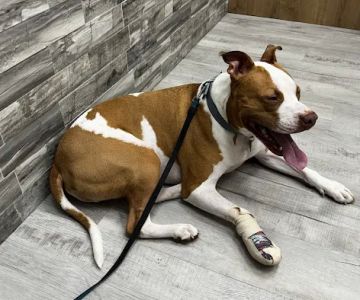
How to Check if Your Pet is Overweight
Checking your pet’s weight doesn’t always require a scale. One of the easiest methods is to use the rib test: you should be able to feel your pet’s ribs without pressing too hard, but they should not be visible. Another sign is looking from above—if your pet lacks a defined waistline and looks rounder, they may be overweight. Veterinary professionals often use a Body Condition Score (BCS) chart, which provides a more structured way to measure whether your pet’s weight falls in a healthy range.
Health Risks Associated with Obesity
Overweight pets face higher risks of diabetes, arthritis, breathing difficulties, liver disease, and even shortened lifespans. For example, a recent veterinary case showed that a cat named Oliver developed diabetes due to years of overeating and inactivity. His daily insulin treatment could have been avoided if his weight had been managed earlier. These risks highlight why paying attention to weight is not optional—it’s essential for your pet’s well-being.
What to Do if Your Pet is Overweight
If you discover that your pet is overweight, the good news is that there are many effective steps you can take. Start with portion control—many owners unintentionally overfeed because they rely on estimates instead of measuring food. Incorporate more playtime and daily walks for dogs, and interactive toys for cats. Switching to a high-quality, weight-management diet can also make a big difference. For tailored advice, Hidden Brook Veterinary offers guidance and nutritional plans designed to help pets safely lose weight.
Real Life Examples of Pet Weight Loss
Consider Max, a ten-year-old Beagle who weighed 45 pounds when his ideal weight was closer to 30. His owner worked with a veterinarian to reduce his daily food intake, replaced treats with carrots, and increased daily walks. Within six months, Max shed 12 pounds and regained his playful energy. His story is a reminder that small lifestyle changes can have life-saving results for our pets.
Building a Sustainable Pet Health Plan
Helping your pet lose weight is not about temporary diets—it’s about building habits that last. Establishing consistent meal times, integrating daily activity, and maintaining regular check-ins with your vet are all key. Owners must also resist the urge to give too many treats as a form of affection. Instead, show love through attention, exercise, and healthy rewards. With consistency, your pet will not only lose weight but maintain a balanced lifestyle long-term.
Long-Term Benefits of Maintaining Healthy Weight
When you keep your pet at a healthy weight, you’re investing in their future. Lean pets live longer, are more energetic, and face fewer medical emergencies. Owners save money on costly treatments and enjoy more active years with their companions. Asking “Is your pet overweight?” and taking action is one of the most loving things you can do for your furry family member. For ongoing support, Hidden Brook Veterinary provides trusted resources and professional care to help your pet thrive.