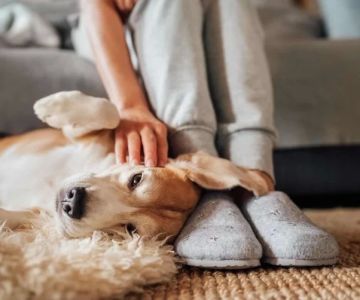
Understanding Dog Anxiety After Adoption
Adopting a dog is a rewarding experience, but it comes with its own set of challenges. One of the most common issues new pet owners face is anxiety in dogs after adoption. Many dogs come from difficult pasts, such as shelters, foster homes, or abusive environments. These experiences can lead to anxiety, making it harder for the dog to adjust to their new home. Understanding why anxiety occurs and how to address it is key to helping your dog feel safe and secure.
Dogs are highly emotional creatures, and they thrive on routine and stability. When they are placed in a new environment, it can be overwhelming for them. The sights, sounds, and smells of a new home, combined with the stress of leaving behind familiar surroundings, can trigger anxiety. In this article, we will explore various methods to help alleviate your dog's anxiety and support their transition to their new home.

1. Signs of Anxiety in Newly Adopted Dogs
Before addressing how to treat anxiety in dogs after adoption, it's important to recognize the signs that your dog is feeling anxious. Anxiety can manifest in many ways, and every dog is different. Some common signs of anxiety in dogs include:
- Excessive barking or whining: Dogs may bark or whine more than usual when they are feeling anxious. This is their way of communicating distress.
- Destructive behavior: Anxiety can lead to destructive behaviors like chewing furniture, shoes, or scratching doors.
- Shaking or trembling: Dogs may shake or tremble when they are anxious or frightened.
- Excessive licking or grooming: Some dogs may lick themselves excessively as a way to soothe themselves when stressed.
- Hiding or cowering: An anxious dog may hide or cower in corners or under furniture, seeking a safe place away from stimuli that cause fear.
- Lack of appetite: Anxiety can cause dogs to lose interest in food, which can affect their overall health if not addressed.
If your dog exhibits any of these behaviors, it's important to take steps to reduce their anxiety and help them adjust to their new environment.

621 Larpenteur Ave W, Roseville, MN 55113, USA
See Details2. Creating a Safe and Calm Environment
One of the most important steps in treating anxiety in dogs after adoption is to create a calm and secure environment. Dogs are highly sensitive to their surroundings, so ensuring your home is peaceful and welcoming can help them feel safe.
Establish a routine: Dogs thrive on routine. Having set times for feeding, walks, and bedtime can help your dog feel more secure in their new home. Predictability can reduce stress and anxiety.
Create a safe space: Set up a designated space for your dog where they can retreat when they feel overwhelmed. This could be a cozy bed in a quiet room or a crate where they can relax and feel safe. Make sure this space is free from distractions and other pets.
Use calming aids: There are various calming aids available that can help reduce anxiety in dogs. These include pheromone diffusers, calming collars, and anxiety wraps. Products like Adaptil, which release synthetic calming pheromones, can help dogs feel more at ease in their new home.
Minimize stressors: Try to minimize loud noises, sudden movements, and unfamiliar situations, especially in the early days after adoption. This includes avoiding large crowds or hectic environments that might overwhelm your dog.
3. Positive Reinforcement and Training
Positive reinforcement is a key component of treating anxiety in dogs after adoption. Rather than punishing fearful behavior, rewarding your dog for calm behavior encourages them to associate positive experiences with their new environment.
Reward calm behavior: When your dog is calm, reward them with treats, praise, or playtime. This helps them understand that staying calm leads to positive outcomes. Over time, your dog will start to feel more confident and secure in their new surroundings.
Training and desensitization: Gradual exposure to anxiety-inducing situations, such as being left alone or meeting new people, can help desensitize your dog to these triggers. Start with short periods and increase the duration as your dog becomes more comfortable. Always use treats and praise to reward positive behavior during training sessions.
Consistency is key: It's important to be consistent in your training and reinforcement. Dogs learn best when their owners are patient and consistent. Regular training sessions will help your dog build confidence and reduce anxiety over time.
4. Exercise and Mental Stimulation
Physical exercise and mental stimulation are crucial for a dog's overall well-being, and they can also play a significant role in reducing anxiety. A tired dog is less likely to be anxious, so incorporating exercise into your dog's daily routine can help alleviate stress and anxiety.
Regular walks: Take your dog for daily walks to provide physical exercise and mental stimulation. Walks also offer an opportunity for your dog to explore their new surroundings, which can help them adjust to their new home.
Interactive toys: Providing your dog with interactive toys, such as puzzle feeders or treat-dispensing toys, can keep their mind engaged and help reduce anxiety. These toys also provide positive distractions from stressors in the environment.
Playtime: Playtime is an excellent way to bond with your dog while also helping them burn off excess energy. Games like fetch or tug-of-war can help reduce stress and anxiety, while also reinforcing positive behavior.
5. Seek Professional Help When Necessary
If your dog’s anxiety persists or worsens despite your efforts, it may be time to seek professional help. A veterinarian or animal behaviorist can assess your dog’s behavior and recommend more targeted interventions, such as medications or behavior modification techniques.
Veterinary help: In some cases, medication may be necessary to help manage your dog’s anxiety. Anti-anxiety medications prescribed by a veterinarian can help reduce the intensity of your dog’s anxiety, making it easier for them to adjust to their new environment.
Behaviorist support: An animal behaviorist can work with you and your dog to develop a personalized training and treatment plan. They can guide you through desensitization techniques and provide additional strategies for managing anxiety in a way that’s tailored to your dog’s needs.
6. Real-Life Example: Daisy's Journey to Comfort
Daisy, a 3-year-old rescue dog, came from a high-stress environment and was extremely anxious when she was adopted. Her new owner, Lisa, noticed that Daisy would shake, hide under furniture, and bark excessively whenever they left the house.
Lisa started by setting up a calm space for Daisy in a quiet corner of the house and introduced her to the routine gradually. She used a calming pheromone diffuser and made sure Daisy had a cozy bed to retreat to whenever she felt scared. Over time, Lisa noticed Daisy becoming more confident and less anxious.
Through consistent training, exercise, and a lot of patience, Daisy began to trust her new home. Lisa shared her experience on social media, helping other new dog owners understand the importance of patience and consistency when treating anxiety after adoption.
7. Where to Find Professional Help
If you're struggling with your dog's anxiety after adoption, Hidden Brook Veterinary offers expert advice and professional services that can guide you through the process. Whether you need behavioral consultations, anxiety-reducing products, or veterinary care, their team is dedicated to helping your dog adjust to their new home.