- understanding-why-puppy-potty-training-matters
- the-science-behind-how-puppies-learn-bathroom-habits
- the-best-training-methods-for-puppy-potty-training
- creating-a-daily-potty-training-routine
- a-real-life-potty-training-story
- common-potty-training-mistakes-new-dog-owners-make
- when-to-seek-professional-veterinary-advice
Understanding Why Puppy Potty Training Matters
Bringing a new puppy home is one of the most exciting experiences a pet owner can have. The first few days are filled with playful moments, curiosity, and a lot of learning for both the puppy and the owner. However, one challenge that almost every dog owner faces early on is potty training. Learning the best training methods for puppy potty training can make the transition from chaos to routine much smoother.
Puppies do not instinctively know where they should go to the bathroom. Unlike adult dogs, they have limited bladder control and very little understanding of household boundaries. This means accidents will happen, especially during the first few weeks. But with patience, consistency, and the right training strategies, puppies can learn quickly.

1. Why Early Potty Training Is Important
Early potty training creates structure and helps puppies understand the household rules.
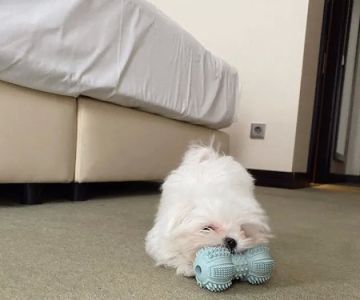
Building Healthy Habits
Puppies that learn bathroom routines early tend to adapt faster to home life.
Reducing Stress for Owners
Consistent training helps prevent frustration caused by repeated accidents.
2. Puppies Learn Through Routine
One of the most important principles of house training is consistency. Puppies respond best to predictable schedules and clear signals from their owners.
The Science Behind How Puppies Learn Bathroom Habits
Understanding how puppies think can make potty training far easier. Puppies do not respond well to punishment because they cannot connect past behavior with discipline that happens later.
1. Positive Reinforcement Works Best
Rewarding Correct Behavior
When a puppy uses the correct potty area, giving praise or a small treat reinforces the behavior.
Immediate Feedback
The reward should happen immediately after the puppy finishes so they associate the reward with the action.
2. Puppies Have Small Bladders
This is something many first-time dog owners underestimate.
Frequent Bathroom Breaks
Young puppies may need to go outside every 1–2 hours.
After Specific Activities
Puppies often need bathroom breaks after eating, drinking, playing, or waking from a nap.
The Best Training Methods for Puppy Potty Training
Over the years, trainers and veterinarians have identified several effective techniques that consistently work for house training young dogs.
1. Crate Training
Crate training is one of the most widely recommended potty training techniques.
Why Crates Work
Dogs naturally avoid soiling their sleeping area, which encourages them to hold their bladder.
Choosing the Right Size
The crate should be large enough for the puppy to stand and turn around but not large enough to create a bathroom corner.
2. Scheduled Outdoor Breaks
Establishing a strict schedule is one of the best training methods for puppy potty training.
Morning Bathroom Routine
Puppies should be taken outside immediately after waking up.
Regular Daytime Breaks
Taking the puppy out every couple of hours helps prevent accidents.
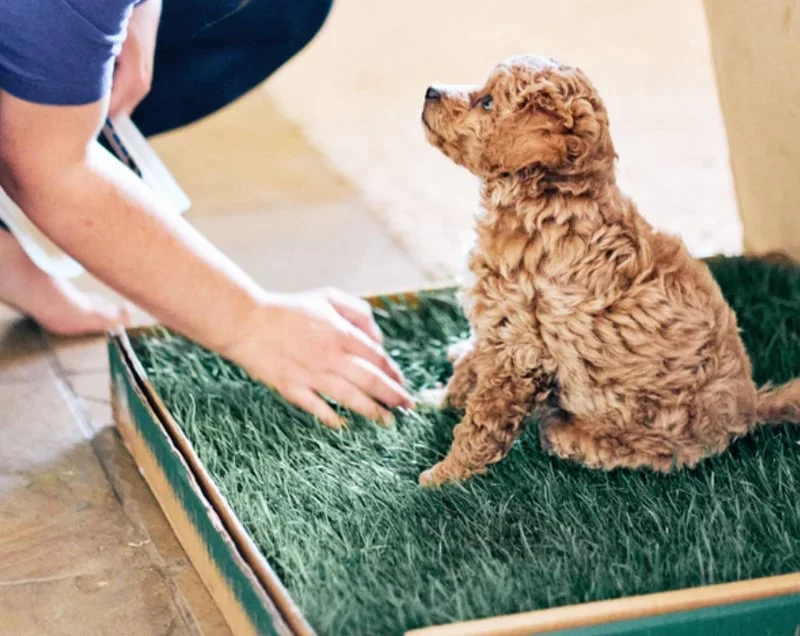
3. Designated Potty Areas
Using the same outdoor spot each time helps the puppy associate that location with bathroom behavior.
Familiar Smells
Dogs rely heavily on scent. Returning to the same location reinforces the routine.
Consistent Commands
Using a phrase like “go potty” each time can help the puppy understand expectations.
Creating a Daily Potty Training Routine
A structured daily schedule is essential when applying the best training methods for puppy potty training.
1. Morning Routine
Immediate Outdoor Trip
As soon as the puppy wakes up, they should be taken outside.
Breakfast Followed by Potty Break
Puppies often need to go shortly after eating.
2. Daytime Routine
Frequent Scheduled Breaks
Regular outdoor trips help reinforce the training process.
Supervised Indoor Play
Watching the puppy closely helps catch early signs that they need to go.
3. Evening Routine
Final Bathroom Break Before Bed
This helps reduce nighttime accidents.
Limiting Water Late at Night
This can help puppies sleep longer without needing to go outside.
A Real-Life Potty Training Story
One story shared widely among new dog owners involved a family who adopted a golden retriever puppy named Max. During the first week, the family struggled with multiple accidents each day.
Instead of getting frustrated, they decided to follow a strict potty training routine recommended by a veterinarian.
1. The Training Strategy They Used
Crate Training Overnight
Max slept in a crate, which helped reduce nighttime accidents.
Scheduled Outdoor Breaks
The family took him outside every two hours during the day.
2. The Result After Two Weeks
Within about fourteen days, Max began going to the door whenever he needed to go outside. The structured routine made the learning process much easier for both the puppy and the owners.
Common Potty Training Mistakes New Dog Owners Make
Even with the best intentions, many dog owners accidentally slow down the training process.
1. Inconsistent Schedules
Irregular Bathroom Breaks
Skipping scheduled potty trips confuses the puppy.
Changing Rules
Allowing indoor accidents without correction can reinforce bad habits.
2. Punishing the Puppy
Punishment can create fear rather than learning.
Delayed Discipline
If punishment happens long after the accident, the puppy cannot understand why.
Focus on Positive Reinforcement
Rewarding good behavior is far more effective.
When to Seek Professional Veterinary Advice
Sometimes potty training challenges may be related to health issues.
1. Signs That May Require Veterinary Attention
Frequent Urination
This could indicate a urinary infection.
Difficulty Holding Bladder
Some medical conditions affect bladder control.
If a puppy continues to struggle with potty training despite consistent training methods, consulting veterinary professionals can be helpful. Clinics such as Hidden Brook Veterinary often provide guidance on behavioral training as well as health-related issues that may affect house training.
Learning the best training methods for puppy potty training takes patience, consistency, and understanding. With the right routine and a positive approach, most puppies can successfully learn healthy bathroom habits within a few weeks.