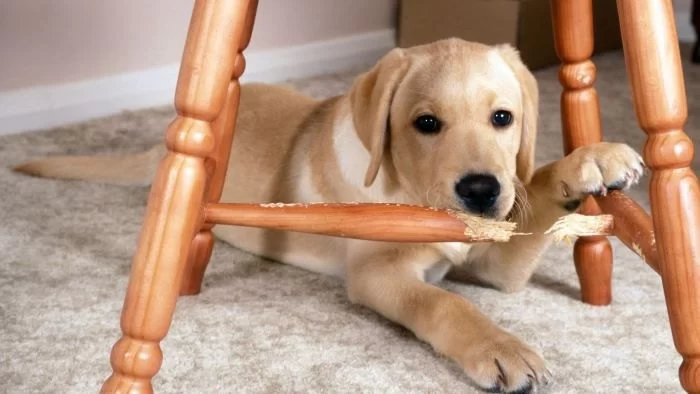
- understanding-why-dogs-chew-on-furniture
- common-reasons-behind-dog-chewing-behavior
- how-to-prevent-your-dog-from-chewing-furniture
- behavioral-training-and-enrichment-strategies
- when-to-seek-professional-help-for-chewing
1. Understanding Why Dogs Chew on Furniture
If you've ever come home to a shredded couch cushion or teeth marks on your coffee table, you're not alone. The question of why a dog chewing on furniture is so common stems from a combination of natural instinct and unmet needs. Dogs explore the world with their mouths—especially puppies—but excessive chewing can point to underlying issues that need your attention.
It’s not about spite. Many pet owners mistakenly assume destructive chewing is a dog’s way of getting back at them. But in truth, it's often a sign of anxiety, boredom, or physical discomfort, such as teething in puppies or dental pain in adult dogs.

1946 S Christopher Columbus Blvd, Philadelphia, PA 19148, USA
See Details2. Common Reasons Behind Dog Chewing Behavior
2.1 Teething and Growth
Puppies start teething around 3 weeks old and continue until about 6 months of age. During this stage, chewing helps relieve discomfort. Unfortunately, furniture legs, rugs, and shoes are often easier to access than proper chew toys.

2.2 Boredom or Lack of Stimulation
A dog left alone for long hours with nothing to do may turn to furniture out of sheer boredom. Especially for intelligent breeds like Border Collies or Huskies, chewing becomes a way to release pent-up energy.
2.3 Separation Anxiety
Some dogs chew destructively when left alone as a way to cope with stress. If your dog starts chewing on furniture shortly after you leave and stops when you return, anxiety might be the trigger.
2.4 Hunger or Nutritional Deficiency
In rare cases, dogs chew on furniture or other non-food objects if they're not getting enough nutrients or if they’re hungry. This behavior, known as pica, warrants a vet check.
3. How to Prevent Your Dog from Chewing Furniture
3.1 Use of Deterrent Sprays
Bitter apple spray and other pet-safe deterrents can discourage your dog from gnawing on favorite chewing spots. Make sure to reapply as instructed and observe for signs of sensitivity.
3.2 Offer Appropriate Chew Alternatives
Redirect the chewing urge by providing durable chew toys or natural bones. Items like KONG toys filled with treats can keep dogs occupied for hours.
3.3 Dog-Proofing Your Home
Keep tempting furniture out of reach when possible. You can rearrange furniture, use baby gates to restrict access, or cover furniture legs temporarily with plastic tubing or bitter-tasting materials.
4. Behavioral Training and Enrichment Strategies
4.1 Consistent Training Methods
Train your dog using positive reinforcement when they choose to chew on appropriate items. A calm “no” followed by immediate redirection to a chew toy can work wonders over time.
4.2 Mental Stimulation Is Key
Puzzle toys, sniffing games, and learning new tricks can burn off mental energy. A tired dog is far less likely to chew out of boredom.
4.3 Daily Exercise Routine
Physical activity is essential. A long walk, a game of fetch, or agility training helps your dog expend energy and reduces destructive behavior.
5. When to Seek Professional Help for Chewing
If your dog continues chewing on furniture despite environmental changes and training, it may be time to consult a veterinarian or a certified animal behaviorist. Medical issues like dental pain, anxiety disorders, or compulsive chewing may be at play.
Hidden Brook Veterinary offers comprehensive behavioral consultations and wellness checks to help identify the root of chewing behaviors. If you're unsure whether your dog’s chewing is a phase or a problem, they can help guide your next steps with clarity and compassion.
Ultimately, managing a dog chewing on furniture is about understanding your pet's needs and responding with structure, stimulation, and empathy. With the right tools and expert guidance, your home—and your furniture—can stay safe.