- understanding-your-dogs-ear-health-basics
- why-cleaning-your-dogs-ears-matters
- how-to-safely-clean-your-dogs-ears-at-home
- what-it-means-when-your-dog-has-ear-issues
- real-cases-of-dog-ear-infections-and-lessons-learned
- when-to-visit-a-vet-for-ear-concerns
1. Understanding Your Dog’s Ear Health Basics
Dog ears are sensitive structures, especially in breeds like Cocker Spaniels or Basset Hounds with floppy ears. Their ear canals are L-shaped, making it easier for moisture, wax, or debris to get trapped and harder to get out naturally. That’s why dog grooming hygiene includes ear cleaning as a critical part of your pet's care routine.
Even if your dog seems fine, routine checks of their ears can help you prevent issues before they start. A healthy ear should be clean, odor-free, and free of discharge or redness.

468 Cassat Ave, Jacksonville, FL 32254, USA
See Details2. Why Cleaning Your Dog’s Ears Matters
Ignoring regular cleaning can lead to complications such as ear infections, yeast build-up, or even painful hematomas from excessive scratching. By learning how to safely clean your dog’s ears at home, you reduce the chances of discomfort and avoid costly vet visits.
Consistent care also builds trust between you and your pup. Many dogs initially resist ear cleaning, but with patience and the right technique, it becomes a positive bonding routine.

3. How to Safely Clean Your Dog’s Ears at Home
3.1 Gather the Right Tools
You’ll need a quality dog ear cleaning solution, cotton balls or pads (never cotton swabs), and treats for positive reinforcement. Make sure your hands are clean and you’re in a calm, well-lit area.
3.2 Step-by-Step Cleaning Process
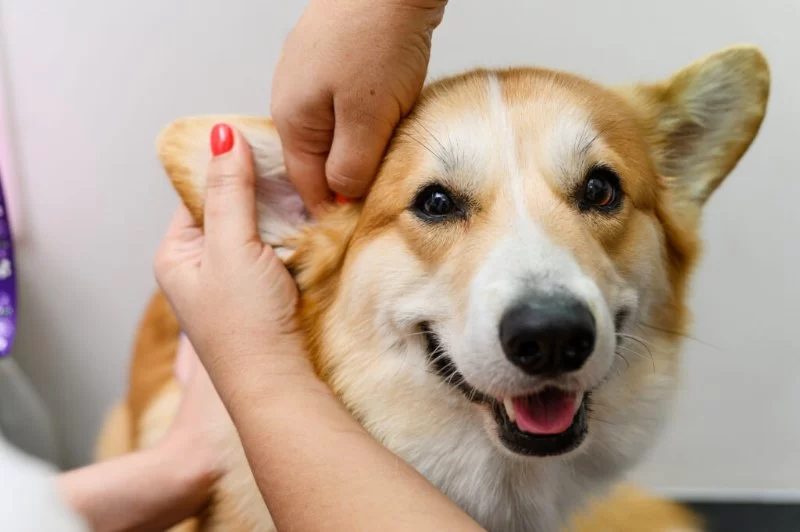
Gently lift the dog’s ear flap and apply the cleaning solution into the ear canal. Massage the base of the ear to help the solution break up debris. Let your dog shake their head, then use a cotton pad to wipe away loosened wax and fluid. Repeat for the other ear if needed.
Avoid going too deep—never insert anything into the ear canal itself. Focus on what you can visibly access and clean thoroughly but gently.
4. What It Means When Your Dog Has Ear Issues
A dog constantly scratching at their ears, shaking their head, or whining might be trying to tell you something. These are classic ear infection signs in dogs. You might notice a foul smell, discharge, or redness as additional clues.
These symptoms may signal anything from a bacterial or yeast infection to an allergy or even a foreign object lodged inside. Understanding these signs early helps prevent escalation.
5. Real Cases of Dog Ear Infections and Lessons Learned
Consider Bella, a 4-year-old Golden Retriever brought to Hidden Brook Veterinary with recurrent ear infections. Her owner used cotton swabs deeply and unknowingly caused micro-scratches, making her ears more vulnerable. After switching to weekly cleanings using vet-recommended solutions and cotton pads, Bella’s infections stopped recurring.
Then there’s Max, a Beagle with seasonal allergies who experienced itchy ears every spring. His story reminds us how allergies can present as ear discomfort and that sometimes treating the root cause—not just cleaning—is the answer.
6. When to Visit a Vet for Ear Concerns
Home care is effective for prevention and light maintenance, but don’t hesitate to contact a professional if symptoms persist. If you see pus-like discharge, excessive swelling, strong odor, or if your dog appears in pain, it’s time to book an appointment.
At Hidden Brook Veterinary, we guide pet parents through proper grooming techniques and offer tailored treatment plans when infections or allergies arise. Your dog’s ears are gateways to their overall well-being—keeping them clean helps keep them happy.
Want to know which ear-cleaning products are safest and most effective for your breed? Visit Hidden Brook Veterinary for personalized recommendations and professional support designed to keep your dog’s ears in top shape.