- 1 - Understanding Seasonal Shedding in Pets
- 2 - Common Causes of Excessive Shedding
- 3 - Grooming Techniques to Minimize Shedding
- 4 - How Nutrition and Hydration Affect Shedding
- 5 - Home Care Tips to Keep Shedding Under Control
- 6 - When Shedding Might Indicate a Health Issue
- 7 - Real-Life Case: How Regular Care Reduced a Dog’s Shedding
- 8 - Expert Help from Hidden Brook Veterinary
1. Understanding Seasonal Shedding in Pets
Pet owners often ask how to reduce pet shedding seasonally, especially when fur seems to appear on every surface at home. Shedding is a completely natural process that helps pets regulate their body temperature. Most dogs and cats experience increased shedding during the spring and fall as they transition between winter and summer coats. While some breeds shed minimally, others, like Huskies or long-haired cats, can leave behind mountains of fur during peak shedding months.
Understanding your pet’s breed, coat type, and living environment is key to managing this process. Indoor pets may shed year-round due to consistent indoor temperatures and artificial lighting that disrupt their natural cycles.

2. Common Causes of Excessive Shedding
Seasonal shedding is normal, but excessive hair loss may signal underlying issues. Common causes include poor nutrition, allergies, skin infections, stress, and hormonal imbalances. Even frequent bathing with harsh shampoos can dry out your pet’s skin, leading to increased shedding.
Environmental factors like dry air, lack of humidity, or exposure to household chemicals can also worsen the problem. If you notice bald spots, constant scratching, or dull fur, it may be time to consult a professional at Hidden Brook Veterinary to rule out medical causes.

3. Grooming Techniques to Minimize Shedding
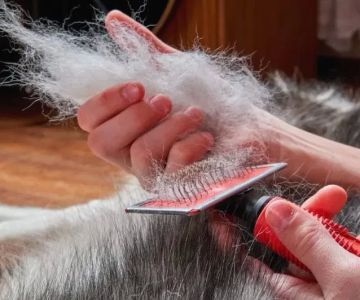
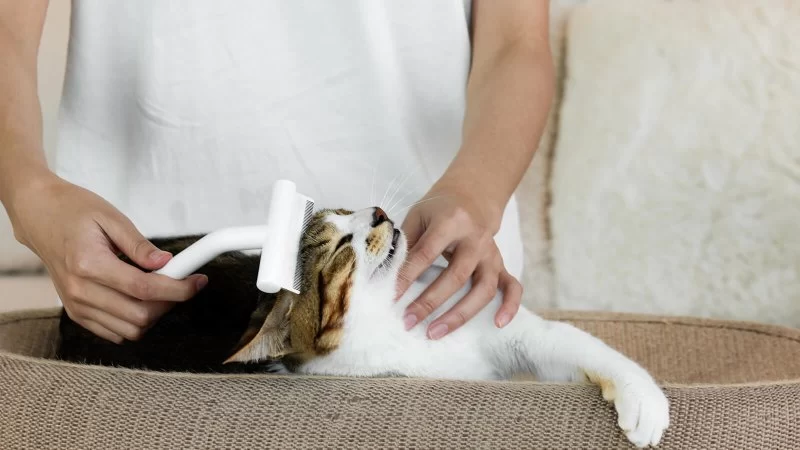
Regular grooming is one of the most effective ways to manage shedding. Brushing removes loose fur before it spreads around your home and helps distribute natural oils that keep your pet’s coat healthy. The frequency depends on the coat type—short-haired breeds may need brushing twice a week, while long-haired pets benefit from daily care.
Use grooming tools suited to your pet’s coat: slicker brushes for long hair, deshedding combs for double-coated breeds, and rubber grooming gloves for smooth coats. Bathing your pet with a moisturizing, vet-approved shampoo every few weeks can also help. Avoid over-bathing, which can strip the skin’s natural oils and trigger more shedding.
4. How Nutrition and Hydration Affect Shedding
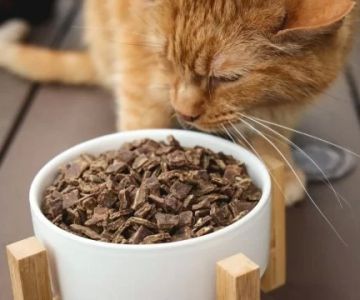
Healthy fur starts from the inside. A balanced diet rich in omega-3 and omega-6 fatty acids supports skin health and reduces shedding. Look for pet foods with salmon oil, flaxseed, or chicken fat as key ingredients. Adding a vet-approved supplement may help improve coat shine and strength.
Hydration also plays a crucial role. Dehydrated skin becomes flaky and irritated, leading to increased shedding. Always provide fresh, clean water, and consider adding moisture to your pet’s diet through wet food or broths. Many pet owners at Hidden Brook Veterinary report significant improvements in their pets’ coats after making small nutritional adjustments.
5. Home Care Tips to Keep Shedding Under Control
Managing shedding at home requires consistent care. Vacuum regularly with a pet-hair-specific vacuum, wash bedding weekly, and use lint rollers or rubber gloves to collect stray hair from furniture. Air purifiers can also help reduce airborne dander, improving overall indoor air quality.
Creating a comfortable environment helps minimize stress-related shedding. Provide your pet with cozy resting areas, regular exercise, and affection. Stress can directly affect coat health—calm, happy pets shed less and have shinier coats.
6. When Shedding Might Indicate a Health Issue
Although seasonal shedding is normal, persistent or patchy hair loss may indicate something more serious. Conditions like thyroid disease, flea allergies, and fungal infections can cause abnormal shedding patterns. Excessive licking, redness, or scabs on the skin are also red flags that require veterinary attention.
At Hidden Brook Veterinary, professionals can perform skin exams and allergy tests to pinpoint the cause. Early diagnosis not only helps reduce shedding but also prevents long-term health problems for your pet.
7. Real-Life Case: How Regular Care Reduced a Dog’s Shedding
Take the story of Bella, a Labrador mix who was shedding heavily every spring. Her owner, Sarah, initially thought it was normal, but after a consultation at Hidden Brook Veterinary, she discovered Bella’s diet lacked essential fatty acids. With guidance, Sarah added a salmon oil supplement and established a weekly grooming routine. Within two months, Bella’s shedding had noticeably decreased, and her coat regained its glossy texture.
This example shows that small, consistent changes in nutrition and grooming can make a huge difference in managing seasonal shedding.
8. Expert Help from Hidden Brook Veterinary
Managing pet shedding doesn’t have to be overwhelming. Whether you’re dealing with seasonal coat changes or unexplained hair loss, the team at Hidden Brook Veterinary can provide personalized advice and treatment options. Their experts specialize in dermatology, nutrition, and preventive care to keep pets healthy year-round.
By combining professional guidance with consistent home care, you can significantly reduce shedding and keep your home cleaner. Remember—regular grooming, a proper diet, and early veterinary intervention are the keys to maintaining a healthy, happy pet.