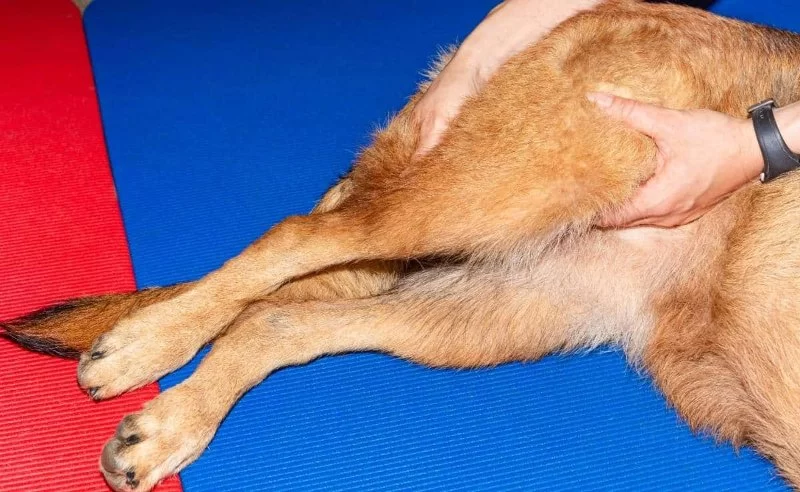
- how-to-recognize-symptoms-of-hip-dysplasia-in-large-dogs
- why-large-breed-dogs-are-more-prone-to-hip-dysplasia
- early-warning-signs-of-hip-dysplasia-in-large-dogs
- advanced-symptoms-and-mobility-problems
- real-life-case-recognizing-hip-dysplasia
- diagnosis-and-treatment-options
- prevention-and-long-term-care
1. How to Recognize Symptoms of Hip Dysplasia in Large Dogs
I still remember the first time I learned about hip dysplasia in large dogs. My neighbor had a beautiful German Shepherd named Max who was always energetic and loved chasing tennis balls across the yard. One summer afternoon, I noticed something different. Max stood up slowly and hesitated before running. It seemed subtle at first, but over time the signs became more noticeable.
That experience made me curious about how to recognize symptoms of hip dysplasia in large dogs. Many owners assume a dog slowing down is simply part of aging, but joint issues can start much earlier—sometimes even during puppyhood.
Hip dysplasia is a common orthopedic condition affecting large and giant breed dogs. It occurs when the hip joint does not develop properly, causing instability, pain, and eventually arthritis.
Understanding the symptoms early can make a significant difference in your dog’s quality of life.

2. Why Large Breed Dogs Are More Prone to Hip Dysplasia
2.1 Genetic Factors
One of the biggest reasons hip dysplasia occurs in large dogs is genetics. Certain breeds are predisposed to joint problems because of their size and skeletal structure.
Some of the breeds most commonly affected include:
1. German Shepherds
2. Labrador Retrievers
3. Golden Retrievers
4. Rottweilers
5. Saint Bernards
These breeds grow quickly during puppyhood, which can place additional stress on developing joints.

2.2 Rapid Growth and Weight
Large dogs grow rapidly during their first year of life. When bones, muscles, and joints develop at different speeds, the hip joint may not fit perfectly into its socket.
Over time, this misalignment leads to joint wear and inflammation.
2.3 Environmental Factors
While genetics plays a large role, lifestyle also contributes to joint health. Poor nutrition, excessive weight, and high-impact exercise during early development can increase the risk of hip dysplasia.
3. Early Warning Signs of Hip Dysplasia in Large Dogs
3.1 Subtle Changes in Movement
One of the earliest symptoms I noticed in Max was a slight change in how he moved. He still wanted to play, but he didn’t jump as easily as before.
Common early signs include:
1. Mild limping after exercise
2. Stiffness when getting up after rest
3. Difficulty climbing stairs
These symptoms may appear occasionally at first, making them easy to overlook.
3.2 Reduced Activity
Dogs with developing hip dysplasia often become less active. They may hesitate to run, jump, or play as energetically as before.
Many owners assume their dog is simply “calming down,” but decreased activity can signal joint discomfort.
3.3 Bunny Hopping While Running
A classic sign of hip dysplasia is the “bunny hop” gait. Instead of moving their hind legs independently, dogs move both legs together while running.
This movement reduces strain on the hips but is a clear indicator of potential joint issues.
4. Advanced Symptoms and Mobility Problems
4.1 Visible Pain or Discomfort
As hip dysplasia progresses, the symptoms become more obvious. Dogs may show signs of pain when walking or standing.
Some dogs may whine, avoid physical contact near their hips, or show reluctance to move.
4.2 Difficulty Standing or Sitting
Another common symptom is difficulty rising from a resting position. Dogs with hip dysplasia may struggle to stand up after lying down.
This is often one of the most noticeable signs for owners.
4.3 Muscle Loss in the Hind Legs
Over time, dogs experiencing hip pain may rely more on their front legs. This can cause noticeable muscle loss in the hindquarters.
The back legs may appear thinner while the chest and shoulders become stronger.
5. A Real-Life Example of Recognizing Hip Dysplasia
A friend of mine once adopted a Labrador puppy named Daisy. At around eight months old, Daisy began showing subtle signs of discomfort after long walks.
At first, the family assumed she was simply tired from growing quickly. However, when Daisy started showing a bunny-hop gait during playtime, they decided to consult a veterinarian.
An examination confirmed early-stage hip dysplasia. Because it was identified early, the vet recommended lifestyle adjustments and joint support supplements.
Today Daisy still enjoys daily walks thanks to early intervention.
Veterinary clinics such as Hidden Brook Veterinary often help owners identify joint problems early and provide treatment plans tailored to large breed dogs.
6. Diagnosis and Treatment Options
6.1 Veterinary Examination
If you suspect your dog may have hip dysplasia, a veterinary examination is essential. Veterinarians typically perform a physical evaluation and observe your dog’s movement.
6.2 X-Ray Imaging
X-rays are commonly used to confirm hip dysplasia. They allow veterinarians to see how well the hip joint fits into its socket.
Early diagnosis helps guide treatment decisions.
6.3 Treatment Approaches
Treatment depends on the severity of the condition. Options may include:
1. Weight management
2. Physical therapy
3. Joint supplements
4. Anti-inflammatory medications
5. Surgical procedures in severe cases
Veterinary professionals at clinics like Hidden Brook Veterinary can recommend the best approach based on your dog’s age, breed, and activity level.
7. Prevention and Long-Term Care for Large Dogs
7.1 Maintaining a Healthy Weight
One of the most effective ways to protect your dog’s joints is maintaining a healthy body weight. Extra weight increases pressure on the hip joints and accelerates arthritis.
7.2 Balanced Nutrition for Growing Puppies
Large breed puppies require carefully balanced nutrition to support healthy bone development.
Specialized large-breed puppy diets help regulate growth rates and reduce joint stress.
7.3 Controlled Exercise
Regular exercise is important, but high-impact activities should be limited during a puppy’s early development.
Swimming, leash walks, and moderate play sessions are excellent low-impact options.
Learning how to recognize symptoms of hip dysplasia in large dogs can help owners respond quickly and provide the care their dogs need. Early awareness, veterinary guidance, and proper lifestyle management can significantly improve the long-term comfort and mobility of large breed dogs.