
How to Recognize and Treat Pet Lyme Disease
1. What is Lyme Disease in Pets?
Lyme disease is a serious bacterial infection that affects both humans and pets, particularly dogs. It is caused by the bacterium Borrelia burgdorferi, which is transmitted through the bite of an infected black-legged tick, also known as the deer tick. While Lyme disease is commonly associated with humans, pets—especially dogs—are also at risk, especially in areas where ticks are prevalent.
Pets, especially those that spend a lot of time outdoors, are more likely to be exposed to ticks, which increases their risk of contracting Lyme disease. Understanding how Lyme disease develops in pets, recognizing the symptoms, and knowing how to treat it can help protect your furry companion.
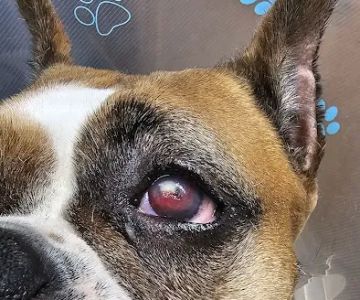
2. Symptoms of Lyme Disease in Pets
Recognizing Lyme disease early can help prevent severe complications. While not all pets show symptoms, the following signs may indicate that your pet is suffering from Lyme disease:
- Limping or lameness: One of the most common symptoms of Lyme disease in dogs is lameness or limping, particularly in one or more legs. This can be caused by inflammation in the joints due to the bacteria.
- Swollen joints: Infected pets may experience swollen or painful joints, which can make it difficult for them to move or play.
- Fever: Lyme disease often causes a fever, which may cause your pet to feel lethargic or less active than usual.
- Loss of appetite: Affected pets may lose interest in food or show a reduced appetite.
- Fatigue: Pets with Lyme disease may appear unusually tired or lack energy, spending more time resting or sleeping than normal.
- Enlarged lymph nodes: In some cases, your pet’s lymph nodes may swell as a result of the infection.
It's important to note that symptoms can appear anywhere from 2 to 5 months after a tick bite, which can make it difficult to trace the cause immediately. If you notice any of these symptoms in your pet, it’s crucial to consult a veterinarian as soon as possible for proper diagnosis and treatment.

3. How Lyme Disease is Diagnosed in Pets
If Lyme disease is suspected, a veterinarian will conduct a physical exam and may order tests to confirm the diagnosis. The most common diagnostic test is a blood test, which can detect antibodies produced in response to the bacteria that causes Lyme disease.
In some cases, additional tests such as joint fluid analysis or imaging (e.g., X-rays) may be necessary to assess the extent of joint damage or inflammation caused by the disease.
It’s important to visit a veterinarian who is experienced in tick-borne diseases to ensure your pet receives an accurate diagnosis and the best possible care.
4. Treatment Options for Lyme Disease in Pets
Once Lyme disease is diagnosed, treatment typically involves a course of antibiotics to eliminate the bacteria from your pet's system. The most commonly prescribed antibiotic for Lyme disease is doxycycline, which is effective in treating the infection in most cases.
In addition to antibiotics, your pet may need supportive care to manage pain and inflammation. Nonsteroidal anti-inflammatory drugs (NSAIDs) can be prescribed to reduce joint swelling and pain, helping your pet feel more comfortable during the recovery process.
In some cases, if Lyme disease has caused significant joint damage, additional treatments such as physical therapy or joint supplements may be necessary to help restore mobility and function.
5. Preventing Lyme Disease in Pets
Prevention is always the best strategy when it comes to Lyme disease. Here are several steps pet owners can take to reduce the risk of their pets contracting Lyme disease:
- Tick prevention: Regularly use tick preventatives such as topical treatments, collars, or oral medications that are effective against ticks. Consult with your veterinarian to determine the best tick prevention method for your pet.
- Regular tick checks: After walks or outdoor play, thoroughly check your pet’s fur, especially in areas where ticks like to hide, such as behind the ears, under the armpits, and between the toes. If you find a tick, remove it immediately with a pair of tweezers.
- Avoid tick-infested areas: Ticks are most commonly found in wooded, grassy, or brush-filled areas. Avoid these areas, especially in peak tick seasons (spring and summer), or keep your pet on a leash to prevent them from wandering into tick-prone areas.
- Vaccination: In some areas, a Lyme disease vaccine may be recommended for dogs, particularly those at high risk of exposure to ticks. Ask your veterinarian if this vaccine is appropriate for your pet.
By taking these preventive measures, you can significantly reduce the likelihood of your pet contracting Lyme disease and help them stay healthy and happy.
6. Real-Life Story: A Dog's Recovery from Lyme Disease
One real-life example of Lyme disease in pets comes from a dog named Max, a 5-year-old Golden Retriever. Max’s owner noticed that he was limping and seemed lethargic. Initially, they thought it was just a minor sprain, but after several days of no improvement, they took him to the vet. Blood tests confirmed that Max had Lyme disease, likely contracted from a tick bite during a recent hike in the woods.
Max’s veterinarian prescribed a 3-week course of doxycycline and anti-inflammatory medication to manage his symptoms. After a few weeks, Max began to show significant improvement—his limp disappeared, and he regained his energy. His owner was relieved and committed to using tick prevention products to keep Max safe during future outdoor adventures.
7. When to Seek Veterinary Help
If you suspect that your pet may have Lyme disease, it's essential to seek veterinary care as soon as possible. Early treatment can help reduce the risk of long-term damage and increase the chances of a full recovery. If your pet shows signs of severe pain, swelling, or difficulty moving, do not wait—contact your veterinarian immediately for advice and care.
For expert advice and treatment options for Lyme disease and other tick-borne illnesses, visit Hidden Brook Veterinary to ensure your pet receives the best care possible.