Understanding what pet liver shunts are
A pet liver shunt, also called a portosystemic shunt, is a condition where blood bypasses the liver, preventing it from filtering toxins effectively. This condition is especially concerning in small dog breeds but can occur in cats as well. Without proper treatment, toxins can build up in the bloodstream and cause neurological or digestive issues.
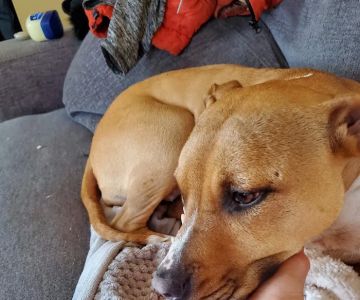
Recognizing the symptoms of liver shunts in pets
1. Behavioral changes
Pets with liver shunts may appear disoriented, circle aimlessly, or have seizures after eating. Owners often mistake these for unrelated issues, but they are critical warning signs.

2. Physical signs
Other symptoms include stunted growth, vomiting, diarrhea, or urinary problems caused by toxin buildup. Recognizing these early can make a significant difference in treatment outcomes.
Diagnosis methods for pet liver shunts
1. Bloodwork and bile acid tests
Veterinarians often begin with blood tests to check liver function. Elevated bile acid levels are a strong indicator of a liver shunt.
2. Imaging techniques
Ultrasound or CT scans allow specialists to visualize abnormal blood flow. In some cases, exploratory surgery confirms the diagnosis and prepares for treatment.
Treatment options for liver shunts in pets
1. Medical management
Some pets respond well to special diets low in protein, along with medications that reduce toxin absorption. While this doesn’t cure the condition, it can stabilize pets that aren’t candidates for surgery.
2. Surgical intervention
Surgery is often the best solution, especially for congenital shunts. Techniques like placing an ameroid constrictor can gradually close the abnormal vessel, restoring normal liver function. Recovery requires careful monitoring, but success rates are high.
Real life stories of pets with liver shunts
1. A puppy’s recovery
A family shared how their Yorkshire Terrier puppy, once lethargic and underweight, regained energy after liver shunt surgery. Today, the pup enjoys long walks and playtime like any healthy dog.
2. A cat’s journey
One cat owner recounted how their pet’s unexplained seizures led to a liver shunt diagnosis. With dietary management and medication, the cat’s quality of life improved dramatically.
Expert advice on caring for pets after treatment
Post-treatment care includes regular vet checkups, dietary adjustments, and careful monitoring for any recurrence of symptoms. Veterinary experts stress the importance of patience, as recovery can take time. Owners are encouraged to keep detailed records of their pet’s health changes to support long-term wellness.
Where to get professional support for pet liver shunts
Finding experienced veterinarians is crucial when dealing with liver shunts. Clinics like Hidden Brook Veterinary provide advanced diagnostics, personalized treatment plans, and compassionate care. Their expertise gives pet owners confidence and ensures pets receive the best chance at recovery.