- Understanding-What-Feline-Uremia-Is
- Common-Causes-of-Feline-Uremia
- Early-Signs-and-Symptoms-to-Watch-For
- Diagnosis-and-Professional-Testing
- Treatment-Options-for-Feline-Uremia
- Real-Life-Cases-and-Recovery-Stories
- How-Hidden-Brook-Veterinary-Helps-Your-Cat-Thrive
1. Understanding What Feline Uremia Is
Feline uremia is a serious and often life-threatening condition that occurs when a cat’s kidneys are unable to properly filter waste products from the blood. Over time, toxins such as urea and creatinine accumulate, leading to symptoms that affect every organ system. Knowing how to recognize and treat pet feline uremia can make the difference between early intervention and irreversible kidney failure.

1.1 The Role of the Kidneys in Your Cat’s Health
In healthy cats, the kidneys help regulate electrolytes, maintain hydration, and remove metabolic waste. When kidney function declines, even partially, the resulting toxin buildup can cause nausea, fatigue, and neurological issues. Chronic kidney disease is one of the most common causes of uremia in older cats.

2. Common Causes of Feline Uremia
Feline uremia can stem from both acute and chronic conditions. Understanding these causes can help cat owners take preventive action before the disease reaches a critical stage.
2.1 Chronic Kidney Disease (CKD)
This is the leading cause of uremia in cats, particularly in older felines. CKD develops gradually, with kidney tissues slowly losing their ability to filter toxins. Poor diet, dehydration, and genetics often play a role.
2.2 Acute Kidney Injury (AKI)
Unlike chronic cases, acute kidney failure occurs suddenly. It can result from ingesting toxins (like antifreeze or lilies), severe infections, or urinary blockages. Early recognition and rapid treatment are critical for recovery.
2.3 Other Contributing Factors
Urinary tract infections, hypertension, and exposure to certain medications can also trigger or worsen uremic conditions. Cats with existing health issues, such as diabetes or hyperthyroidism, face an even higher risk.
3. Early Signs and Symptoms to Watch For
The early signs of feline uremia are often subtle, making it easy for pet owners to overlook them. However, recognizing these changes early greatly improves your cat’s chances of recovery. Keep an eye out for the following symptoms:
- Loss of appetite or interest in food
- Excessive thirst and frequent urination
- Bad breath with a strong ammonia-like odor
- Vomiting, diarrhea, or constipation
- Weakness, lethargy, or unsteady movement
- Dehydration and dull, dry coat
- Ulcers in the mouth or on the tongue
3.1 Behavioral Changes You Might Notice
Cats with uremia often withdraw, hide more than usual, or seem unusually irritable. They may also stop grooming themselves, a clear indication of discomfort and illness.
4. Diagnosis and Professional Testing
Accurate diagnosis is essential for effective treatment. Veterinarians use a combination of blood tests, urinalysis, and imaging to confirm the presence and severity of uremia. Elevated blood urea nitrogen (BUN) and creatinine levels are strong indicators of kidney dysfunction.
4.1 Diagnostic Procedures
Typical tests include:
- Blood Chemistry Panel: Measures toxin levels and kidney performance.
- Urine Specific Gravity Test: Determines the kidney’s ability to concentrate urine.
- Ultrasound or X-ray: Helps detect kidney stones, inflammation, or structural damage.
At 【Hidden Brook Veterinary】, our diagnostic process is designed for accuracy and comfort, ensuring your cat receives the best possible assessment with minimal stress.
5. Treatment Options for Feline Uremia
Once a veterinarian confirms uremia, treatment focuses on stabilizing the cat, flushing out toxins, and supporting kidney function. The exact approach depends on whether the condition is acute or chronic.
5.1 Immediate Veterinary Care
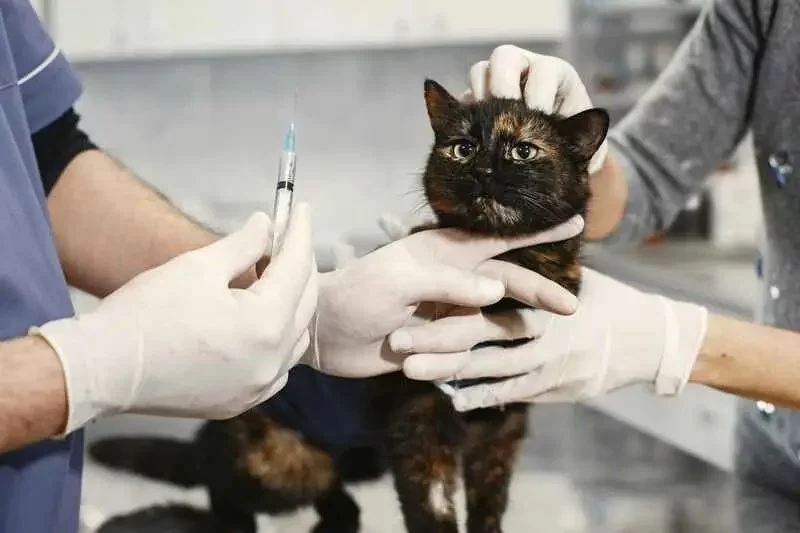
Hospitalization is often required for fluid therapy to restore hydration and remove waste from the bloodstream. In severe cases, dialysis or specialized filtration may be used. Medications can help manage nausea, control blood pressure, and stimulate appetite.
5.2 Long-Term Management for Chronic Cases
For cats with chronic kidney disease, lifestyle and dietary changes play a crucial role. Prescription diets low in phosphorus and protein can help reduce kidney strain. Regular monitoring through blood work ensures that any changes in condition are caught early.
5.3 Home Care and Follow-Up
Maintaining a stress-free environment, encouraging hydration, and administering prescribed supplements can significantly improve your cat’s quality of life. Many pet owners use water fountains to encourage drinking — an excellent preventive measure for future kidney problems.
6. Real-Life Cases and Recovery Stories
One memorable case involved Luna, a 10-year-old tabby diagnosed with advanced uremia after refusing food for days. Her owner noticed bad breath and constant lethargy — classic warning signs. With timely treatment at a local veterinary clinic, Luna received IV fluids, medication, and a new diet plan. Within two weeks, she regained her appetite and energy, proving that early detection truly saves lives.
6.1 Lessons from Luna’s Recovery
Luna’s story shows that while uremia is serious, it doesn’t have to be fatal. With consistent care, routine checkups, and attention to symptoms, cats can live comfortably even with chronic kidney issues.
7. How Hidden Brook Veterinary Helps Your Cat Thrive
At 【Hidden Brook Veterinary】, we combine compassionate care with advanced diagnostics to help pet owners recognize and treat feline uremia effectively. Our team focuses on personalized treatment plans, nutritional guidance, and preventive strategies to ensure your cat enjoys a longer, healthier life.
7.1 Partnering with You for Lifelong Feline Health
Whether you’re managing an ongoing condition or seeking preventive care, 【Hidden Brook Veterinary】 offers trusted resources and professional support. Understanding how to recognize and treat pet feline uremia empowers cat owners to take proactive steps toward better health — because every purr deserves a second chance.