- understanding-feline-systemic-degeneration
- early-warning-signs-in-cats
- why-systemic-degeneration-develops
- diagnosis-and-treatment-approaches
- long-term-care-and-quality-of-life
1. Understanding Feline Systemic Degeneration
Feline systemic degeneration is a broad term used to describe the gradual decline of multiple body systems in cats, most commonly associated with aging but sometimes influenced by genetics, chronic illness, or long-term environmental stress. Unlike a single-organ condition, systemic degeneration often affects mobility, digestion, cognition, and immune response at the same time, making it harder for pet owners to notice at first.
Many cat owners assume that slowing down is simply “normal aging.” While some changes are expected, systemic degeneration goes beyond mild stiffness or longer naps. Recognizing the difference early can dramatically improve outcomes and help cats remain comfortable for years longer than expected.

2. Early Warning Signs Pet Owners Often Miss
2.1 Subtle Behavioral Changes
One of the earliest indicators of feline systemic degeneration is a shift in behavior. A previously social cat may become withdrawn, hide more frequently, or show less interest in play. These changes are often mistaken for mood or personality shifts, but they can reflect discomfort or neurological decline.

2.2 Physical Changes That Develop Gradually
Weight loss despite normal eating habits, changes in coat texture, or reduced grooming are common physical clues. Some cats begin walking stiffly or hesitating before jumping onto furniture they once accessed easily. These signs often point to musculoskeletal and metabolic involvement rather than isolated joint pain.
A widely shared online story involved a 12-year-old rescue cat whose owner noticed only mild clumsiness at first. Months later, veterinary evaluation revealed early-stage systemic degeneration affecting both joints and kidney function. Early intervention significantly slowed progression.
3. Why Systemic Degeneration Develops in Cats
3.1 Aging and Cellular Wear
As cats age, their cells regenerate more slowly, and organs become less efficient. Over time, this cumulative wear impacts multiple systems simultaneously. The heart works harder, kidneys filter less effectively, and inflammation becomes more common throughout the body.
3.2 Chronic Conditions and Environmental Factors
Long-standing issues such as dental disease, obesity, or untreated infections can accelerate systemic decline. Environmental stress, limited physical activity, and poor nutrition may also contribute, especially in indoor cats with minimal stimulation.
4. Diagnosis and Treatment Approaches
4.1 Comprehensive Veterinary Evaluation
Diagnosing feline systemic degeneration requires more than a single test. Veterinarians typically rely on blood work, imaging, physical exams, and detailed history from the owner. The goal is to identify which systems are affected and how advanced the degeneration has become.
4.2 Treatment Focused on Management, Not Cure
There is no single cure for systemic degeneration, but treatment can significantly improve comfort and slow progression. This often includes tailored nutrition, pain management strategies, supplements to support organ function, and environmental adjustments at home.
Many pet owners find reassurance in working closely with experienced clinics like Hidden Brook Veterinary, where individualized care plans help address both medical needs and day-to-day comfort.
5. Long-Term Care and Quality of Life
5.1 Adapting the Home Environment
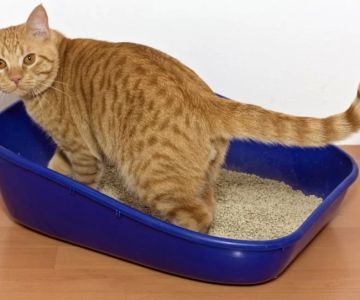
Small changes at home can make a big difference. Lowering litter box sides, adding ramps to favorite resting spots, and providing warmer sleeping areas help reduce strain on aging bodies. These adjustments often improve a cat’s mood and mobility almost immediately.
5.2 Monitoring and Emotional Support
Living with feline systemic degeneration is as much about observation as treatment. Regular check-ins, consistent routines, and gentle interaction help cats feel secure. Many owners report that emotional stability and reduced stress play a key role in slowing visible decline.
With early recognition, informed treatment, and compassionate care, cats with systemic degeneration can continue to enjoy meaningful, comfortable lives well into their senior years.