- 1 - Understanding Feline Oral Disease
- 2 - Recognizing the Signs of Oral Disease in Cats
- 3 - Treatment Options for Feline Oral Disease
- 4 - Real-Life Experiences with Feline Oral Disease
- 5 - Hidden Brook Veterinary Services for Feline Oral Health
1. Understanding Feline Oral Disease
Just like humans, cats can suffer from a range of oral health issues, including tooth decay, gum disease, and more serious conditions like feline periodontal disease. Pet feline oral disease is a common yet often under-recognized problem that can severely affect your cat’s health and quality of life if left untreated.
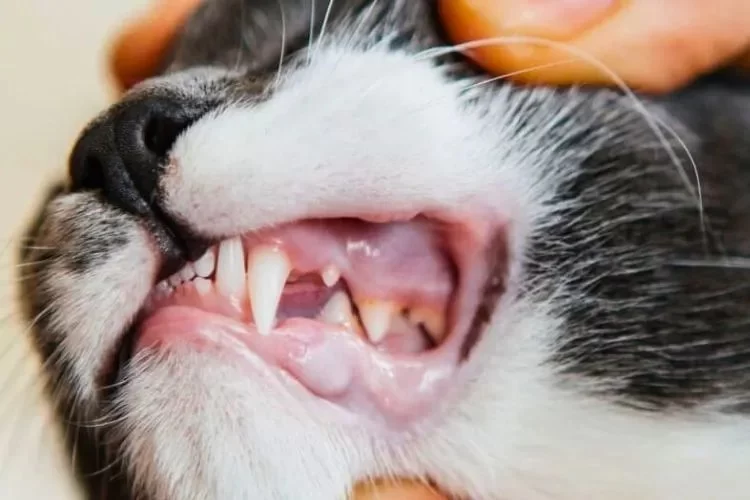
Feline oral disease typically begins with the buildup of plaque and tartar on the teeth. Over time, this leads to inflammation of the gums (gingivitis) and, if not addressed, can progress to periodontitis, a condition that can damage the bones and tissues surrounding the teeth. This can be quite painful for cats and, in extreme cases, may even lead to tooth loss.
Understanding the causes, symptoms, and treatment of feline oral disease is vital for any cat owner who wants to ensure their pet’s well-being and comfort.

2. Recognizing the Signs of Oral Disease in Cats
Recognizing feline oral disease early is crucial to managing it effectively. However, cats are often very good at hiding pain, so it's essential to be aware of subtle signs that your pet may be suffering from oral health issues.

2.1 Bad Breath (Halitosis)
One of the most noticeable signs of oral disease in cats is bad breath, or halitosis. While all cats may have a mild odor in their mouths, a sudden, foul odor could indicate the presence of infection or decay in the mouth.
2.2 Difficulty Eating or Drooling
If your cat is having trouble eating or chewing, or if you notice an excessive amount of drooling, it could be a sign of oral pain caused by gingivitis or tooth decay. Cats with oral disease may also be more selective about the food they eat, avoiding hard kibble or dry food.
2.3 Pawing at the Mouth or Face
Cats with oral pain may paw at their mouth or face in an attempt to relieve discomfort. You may also notice that your cat is rubbing its face against furniture or walls in an attempt to soothe itself.
2.4 Swollen or Bleeding Gums
Swollen, red, or bleeding gums are a clear indication of gingivitis or more severe periodontal disease. If you can safely check your cat's gums, look for any signs of irritation or inflammation, especially around the base of the teeth.
3. Treatment Options for Feline Oral Disease
If your cat is showing signs of oral disease, it’s essential to seek veterinary care immediately. Early intervention can help prevent the progression of the disease and improve your cat’s quality of life.
3.1 Professional Dental Cleaning
The first step in treating feline oral disease is often a professional dental cleaning. This procedure involves removing plaque, tartar, and bacteria buildup from your cat’s teeth and gums. It may require anesthesia, as it allows the veterinarian to thoroughly clean all areas of the mouth, including the back teeth, which can be difficult to reach with regular brushing.
3.2 Medications and Antibiotics
If your cat has an infection in the gums or teeth, your veterinarian may prescribe antibiotics to help control the infection. Pain medications may also be recommended to help manage discomfort during the healing process.
3.3 Tooth Extractions
In severe cases, where the tooth has become infected or is too damaged to save, tooth extraction may be necessary. While this may sound alarming, removing the tooth is often the best option for preventing further complications and alleviating pain for your cat.
3.4 At-Home Dental Care
After treatment, at-home care is crucial to prevent the recurrence of oral disease. Regular brushing with cat-safe toothpaste, dental treats, and oral rinses can help maintain your cat’s oral health. Regular check-ups with your veterinarian will also help monitor your cat’s progress and catch any potential issues early.
4. Real-Life Experiences with Feline Oral Disease
Take, for example, the story of Luna, a 5-year-old Siamese cat who developed oral disease over the course of several months. Her owner noticed that she was eating less and began pawing at her mouth. After a veterinary visit, Luna was diagnosed with gingivitis and had to undergo a professional cleaning and tooth extraction.
Thanks to early intervention, Luna made a full recovery. Her owner now regularly brushes her teeth and provides dental treats to maintain her oral health. This case highlights how early detection and treatment can significantly improve your cat’s quality of life.
Similarly, many cat owners have shared their stories online about how they managed feline oral disease with the help of their veterinarians. Regular dental check-ups, early treatments, and good at-home dental practices are essential in preventing severe oral issues in cats.
5. Hidden Brook Veterinary Services for Feline Oral Health
At Hidden Brook Veterinary, we offer comprehensive dental care for your feline companions. Our experienced team provides professional dental cleanings, preventive care, and expert advice to help keep your cat's mouth healthy. Whether it's a routine check-up or a more specialized treatment, we are committed to ensuring your pet’s oral health is in top shape.
If you suspect your cat may have oral disease or you’re due for a dental check-up, contact Hidden Brook Veterinary today. Our team is here to support your cat’s health with the best possible care and products tailored to their needs.