- feline-ocular-diseases-overview
- early-warning-signs-of-cat-eye-problems
- common-feline-ocular-diseases-and-causes
- diagnosis-and-treatment-options
- home-care-and-prevention-strategies
- when-veterinary-care-is-critical
Understanding Feline Ocular Diseases
Cat eyes are incredibly expressive, but they are also delicate and vulnerable to a range of medical conditions. Feline ocular diseases can develop suddenly or progress slowly over time, and they often signal underlying health issues that go beyond the eyes themselves. Knowing how to recognize and treat pet feline ocular diseases is essential for protecting your cat’s vision and overall well-being.
Many eye conditions in cats are treatable when caught early. The challenge is that cats are masters at hiding discomfort, so subtle changes can be easy to miss. Paying attention to small details in your cat’s behavior and appearance can make a meaningful difference.
Early Warning Signs You Should Never Ignore
1. Changes in Eye Appearance
Healthy cat eyes should be clear, bright, and free of discharge. Redness, cloudiness, visible swelling, or a blue or white haze can indicate inflammation or internal eye disease. Even mild changes that persist for more than a day deserve attention.
2. Abnormal Discharge or Excessive Tearing
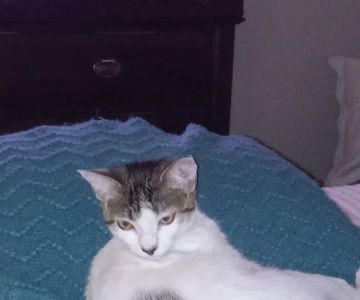
Watery eyes, thick mucus, or yellow-green discharge are often signs of infection or blocked tear ducts. Some owners assume this is normal, especially in flat-faced breeds, but persistent discharge is not something to ignore.
3. Behavioral Clues
Cats with eye discomfort may squint, keep one eye closed, paw at their face, or avoid bright light. You might also notice increased hiding, irritability, or reduced appetite. These behavioral shifts are often the first sign something is wrong.
Common Feline Ocular Diseases and Their Causes
1. Conjunctivitis
Conjunctivitis, or inflammation of the tissue around the eye, is one of the most common feline eye conditions. It can be caused by viral infections, bacteria, allergies, or environmental irritants. Cats with conjunctivitis often have red, swollen eyes with noticeable discharge.
2. Corneal Ulcers
Corneal ulcers occur when the surface of the eye is damaged, often due to trauma, scratches, or untreated infections. These ulcers can be extremely painful and may worsen quickly without treatment, potentially leading to vision loss.
3. Feline Herpesvirus Eye Disease
Feline herpesvirus is widespread and frequently affects the eyes. Cats infected with this virus may experience recurring eye inflammation, discharge, and squinting, especially during times of stress. While the virus itself cannot be cured, symptoms can be managed with proper care.
4. Glaucoma and Uveitis
More serious conditions like glaucoma and uveitis involve increased pressure or inflammation inside the eye. These diseases can progress silently and cause permanent damage if not addressed promptly. They are often linked to systemic illnesses or trauma.
Diagnosis and Treatment Options
1. Veterinary Eye Examinations
Accurate diagnosis is critical when treating feline ocular diseases. Veterinarians use specialized tools to examine eye pressure, tear production, and corneal health. These tests help identify the root cause rather than just treating surface symptoms.
2. Medications and Ongoing Care
Treatment may include antibiotic or antiviral eye drops, anti-inflammatory medications, or pain relief. In some cases, long-term management is required, especially for chronic conditions related to viral infections or immune disorders.
3. Advanced Treatment for Severe Cases
For advanced diseases or injuries, surgical intervention may be necessary. Early diagnosis often prevents the need for invasive treatment, reinforcing the importance of timely veterinary evaluation.
Home Care and Prevention Strategies
1. Maintaining a Clean Environment
Reducing dust, smoke, and allergens in your home can lower the risk of eye irritation. Regular cleaning of bedding and litter areas helps minimize bacterial exposure that may contribute to infections.
2. Safe Eye Care Practices
Never use human eye medications on cats unless directed by a veterinarian. Gently cleaning discharge with a soft, damp cloth can provide temporary relief, but it should not replace professional care.
3. Routine Wellness Exams
Annual or biannual veterinary visits allow early detection of eye conditions before symptoms become severe. These visits are especially important for senior cats or those with chronic health issues.
When Immediate Veterinary Care Is Essential
If your cat suddenly loses vision, shows severe eye pain, or has rapid swelling or bleeding around the eye, immediate veterinary attention is crucial. Delaying care in these situations can lead to irreversible damage.
Many pet owners share stories of cats whose eyesight was saved simply because they acted quickly. One common example involves a cat whose mild squint turned out to be a corneal ulcer. Prompt treatment prevented a serious complication and allowed full recovery.
Supporting Your Cat’s Eye Health with Trusted Veterinary Care
Recognizing and treating pet feline ocular diseases requires awareness, observation, and timely action. With the right knowledge and support, most eye conditions can be managed successfully.
Hidden Brook Veterinary is committed to helping cat owners navigate eye health concerns with compassionate, expert care. Their experienced team focuses on early detection, accurate diagnosis, and personalized treatment plans to protect your cat’s comfort and vision for years to come.