Understanding Feline Inflammatory Conditions
Feline inflammatory conditions are common health issues that can affect cats of all ages. These conditions often go unnoticed by pet owners until the symptoms become severe, which is why it's important to recognize the signs early. Inflammation can affect various parts of a cat’s body, from their joints and digestive system to their skin and respiratory system. Knowing how to identify and treat feline inflammatory conditions can improve your cat's quality of life and ensure that they stay healthy and comfortable.

1. What Are Feline Inflammatory Conditions?
Inflammatory conditions in cats occur when the body’s immune system mistakenly targets healthy tissues, leading to swelling, pain, and discomfort. These conditions can either be acute (short-term) or chronic (long-lasting), and they can affect various parts of the cat's body. The causes of inflammation are varied and may include infections, injuries, allergies, or autoimmune diseases.
Common types of inflammatory conditions in cats include:
- Arthritis: Often seen in older cats, arthritis is an inflammation of the joints that can cause pain, stiffness, and limping.
- Inflammatory Bowel Disease (IBD): IBD is a chronic condition where the digestive tract becomes inflamed, leading to symptoms like vomiting, diarrhea, and weight loss.
- Dental Inflammation: Cats with dental disease may experience swollen gums, abscesses, and pain due to inflammation of the teeth and gums.
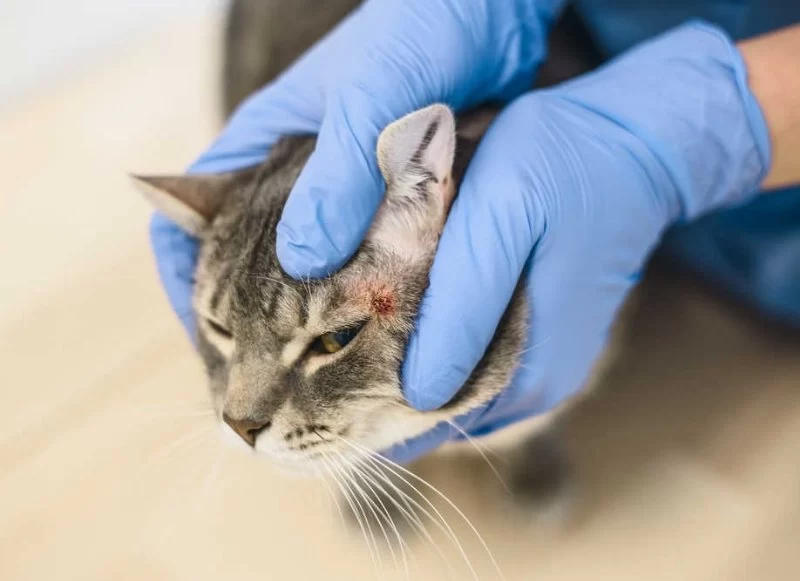
- Skin Inflammation: Allergies, infections, or parasites can cause inflammation of the skin, leading to itching, redness, and hair loss.
2. Recognizing the Symptoms of Inflammation in Cats
Recognizing the symptoms of inflammatory conditions in cats can be challenging, as cats are known for hiding their discomfort. However, there are several telltale signs to watch for, depending on the type of inflammation:
- Arthritis: Cats with arthritis may show signs of stiffness, difficulty jumping, and reluctance to engage in physical activities.
- Inflammatory Bowel Disease (IBD): Symptoms include vomiting, diarrhea, and weight loss. Cats may also show a decreased appetite or avoid eating.
- Dental Issues: Cats with dental inflammation may paw at their mouths, drool excessively, or have bad breath. You might also notice swelling around their gums.
- Skin Inflammation: If your cat is scratching excessively, licking, or biting at their fur, it could be a sign of skin inflammation due to allergies or infection.
If your cat shows any of these signs, it’s essential to consult with a veterinarian for an accurate diagnosis and treatment plan.

3. Common Causes of Inflammation in Cats
Inflammation in cats can have many different causes. Understanding these causes can help you prevent or manage inflammatory conditions more effectively. Some of the most common causes of inflammation in cats include:
- Infections: Bacterial, viral, or fungal infections can trigger inflammation in various parts of the body, from the respiratory system to the digestive tract.
- Injuries: Physical trauma or injuries can lead to localized inflammation, especially in joints or muscles.
- Allergies: Cats with allergies to food, environmental factors, or insect bites may experience inflammation in the skin, gastrointestinal system, or respiratory system.
- Autoimmune Diseases: In autoimmune diseases, the cat's immune system mistakenly attacks its own tissues, leading to chronic inflammation.
- Obesity: Overweight cats are more prone to inflammatory conditions, especially joint and cardiovascular inflammation, due to the added stress on their bodies.
4. Treating Inflammatory Conditions in Cats
Once an inflammatory condition is diagnosed, treatment will depend on the underlying cause and the severity of the inflammation. Here are some common treatment options for managing inflammation in cats:
- Anti-inflammatory Medications: Nonsteroidal anti-inflammatory drugs (NSAIDs) or corticosteroids are commonly prescribed to reduce inflammation and alleviate pain. These medications should always be used under veterinary guidance.
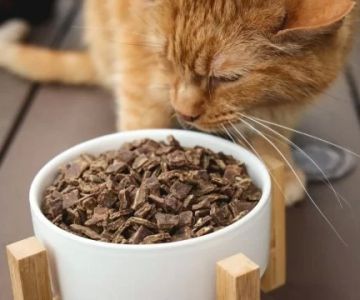
- Dietary Changes: In cases of inflammatory bowel disease (IBD), switching to a specialized, easily digestible diet may help reduce gastrointestinal inflammation. Your veterinarian may also recommend foods that support joint health in cats with arthritis.
- Joint Supplements: Supplements containing glucosamine and chondroitin can help support joint health and reduce inflammation in cats with arthritis.
- Topical Treatments: For skin inflammation, topical treatments such as medicated shampoos or ointments may help soothe the skin and reduce itching and redness.
- Surgical Intervention: In severe cases of joint inflammation or dental disease, surgery may be necessary to address the root cause of the inflammation.
In addition to these treatments, it’s essential to provide a calm and comfortable environment for your cat. Managing stress and ensuring that your cat has a safe, relaxing space to rest can help speed up the recovery process.
5. Real-Life Case: Max’s Battle with Arthritis
Max, a 10-year-old Maine Coon, was always an active cat who loved to explore the backyard. However, his owners noticed that he started limping and became reluctant to jump onto his favorite spots. After a visit to the veterinarian, Max was diagnosed with arthritis in his hips. His treatment plan included a combination of pain management medications, joint supplements, and a low-impact exercise routine.
Over time, Max’s mobility improved, and he was able to enjoy his daily activities without the discomfort he had previously experienced. His owners also ensured that he had a warm, soft bed to rest in, which helped reduce his joint pain. This case shows that with the right treatment plan, even older cats with inflammatory conditions can lead a fulfilling and active life.
6. When to See a Veterinarian
If you suspect that your cat is suffering from an inflammatory condition, it’s important to seek veterinary care as soon as possible. Early intervention can prevent the condition from worsening and help ensure that your cat receives the proper treatment. Your veterinarian will conduct a thorough examination, perform diagnostic tests if necessary, and develop a personalized treatment plan to address the specific needs of your cat.
For more information on feline health and treatment options for inflammatory conditions, visit Hidden Brook Veterinary for expert advice and personalized care.