- Understanding-Feline-GI-Hemorrhage
- Early-Signs-and-Symptoms-to-Watch-For
- Common-Causes-of-Gastrointestinal-Bleeding-in-Cats
- How-Veterinarians-Diagnose-GI-Hemorrhage
- Treatment-Approaches-and-Home-Care
- Real-Life-Cases-of-Feline-GI-Hemorrhage
1. Understanding Feline GI Hemorrhage
Feline GI hemorrhage refers to bleeding anywhere along a cat’s gastrointestinal tract—from the esophagus to the stomach and intestines. It may appear suddenly or develop quietly over time. Many pet owners first notice that something is wrong only when their cat’s behavior changes dramatically. Because cats naturally hide discomfort, recognizing GI bleeding early is often difficult but extremely important.
A cat with GI hemorrhage may lose blood internally or externally (through vomit or stool). Even small amounts of blood loss can cause serious problems, especially in older cats, kittens, or cats with chronic illnesses. Understanding what GI hemorrhage looks like helps owners act quickly and provide life-saving care.

1.1 Why Gastrointestinal Bleeding Is Serious
Bleeding in the digestive system can lead to anemia, dehydration, low blood pressure, and shock. If untreated, it may become fatal. These risks make fast recognition essential, and professional intervention from specialists—such as the team at Hidden Brook Veterinary— strongly recommended as soon as symptoms appear.

1.2 The Challenge of Detecting Bleeding in Cats
Unlike dogs, who often display clear signs of illness, cats are subtle and their symptoms might easily be overlooked. Many cases of GI hemorrhage are only discovered when the cat becomes weak or stops eating. This is why consistent observation of daily behaviors and habits is crucial.
2. Early Signs and Symptoms to Watch For
Recognizing feline GI hemorrhage starts with noticing subtle but important changes. Owners who notice signs early have a much better chance of ensuring effective treatment.
2.1 Visible Evidence of Blood
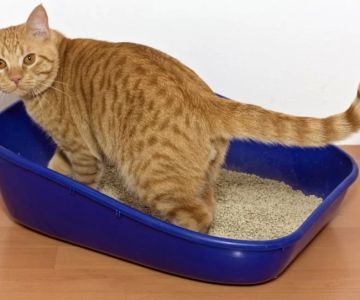
Blood can appear in multiple ways. Some cats vomit bright red blood, which is fresh and active bleeding. Others may vomit material that resembles coffee grounds—this indicates partially digested blood. In the litter box, cat stool may appear dark, tarry, or sticky, which suggests internal bleeding higher in the GI tract.
2.2 Behavioral and Physical Changes
A cat experiencing GI bleeding may hide, show low energy, or refuse food. Sudden lethargy, pale gums, rapid breathing, or weakness are major warning signs. Even if blood isn’t visible, these symptoms often signal internal problems.
2.3 Vomiting and Diarrhea
Ongoing vomiting or diarrhea—especially if streaked with blood—should never be ignored. Chronic episodes may point to inflammatory digestive diseases, ulcers, or infections that could worsen into GI hemorrhage.
3. Common Causes of Gastrointestinal Bleeding in Cats
Many conditions can cause feline GI hemorrhage. Some are mild and treatable, while others may be more serious and require extensive care. Understanding the underlying cause is essential for proper treatment.
3.1 Infections and Parasites
Parasites such as hookworms, whipworms, or Giardia can damage the intestinal lining and cause blood loss. Bacterial infections may also create ulcers that lead to bleeding.
3.2 Inflammatory Conditions
Inflammatory bowel disease (IBD) is one of the leading causes. Cats with IBD often develop chronic vomiting, diarrhea, and intestinal irritation that can progress to bleeding.
3.3 Ulcers and Toxins
Stomach ulcers may form from stress, medication reactions, or ingestion of toxic substances. Certain common household products are dangerous for cats and may cause severe damage to their GI tract.
3.4 Tumors and Growths
Gastrointestinal cancers, such as lymphoma, can erode tissues and cause internal bleeding. Early intervention is critical in these cases.
4. How Veterinarians Diagnose GI Hemorrhage
Diagnosis requires a combination of physical exams, imaging, and lab tests. Because GI hemorrhage may be life-threatening, veterinarians often begin supportive treatment while performing diagnostics to stabilize the cat.
4.1 Physical Examination and Symptom Review
A veterinarian will ask about recent changes in appetite, stool, and behavior. They will also check gum color, hydration status, and abdominal sensitivity to identify possible internal bleeding.
4.2 Blood Tests and Imaging
Blood work helps determine if anemia has occurred. X-rays or ultrasound imaging can reveal tumors, obstructions, or inflammation. In some cases, endoscopy is used to directly visualize bleeding inside the GI tract.
4.3 Stool and Parasite Testing
Detecting parasites or bacterial infections helps guide treatment. Early parasite identification can prevent long-term damage.
5. Treatment Approaches and Home Care
Treating feline GI hemorrhage depends on the underlying cause. Many cats require hospitalization, medication, or ongoing nutritional support. Home care plays a vital role in long-term recovery once the immediate danger has passed.
5.1 Stabilization and Emergency Care
Severe cases require IV fluids, blood transfusions, or medications to stop active bleeding. Rapid stabilization helps prevent organ failure. Facilities like Hidden Brook Veterinary can offer emergency support when symptoms arise suddenly.
5.2 Medication and Supportive Treatments
Treatment may include anti-ulcer medications, antibiotics, anti-parasitic drugs, or steroids for inflammatory conditions. Your veterinarian will tailor treatment based on the specific cause.
5.3 Diet and Long-Term Management
Specialized diets that are gentle on the stomach are often recommended. Cats recovering from GI hemorrhage may need long-term dietary plans to prevent recurrence.
6. Real-Life Cases of Feline GI Hemorrhage
Real stories from cat owners help illustrate how quickly GI hemorrhage can appear—and how effective treatment can be when started early.
One owner described how her normally energetic cat became unusually quiet and refused dinner. The next morning, she noticed dark, tar-like stool. A prompt visit to a veterinary clinic confirmed GI bleeding caused by an ulcer. With medication and supportive care, the cat fully recovered within a few weeks.
Another case involved a rescue cat who developed persistent vomiting with red streaks. The veterinarians at Hidden Brook Veterinary found intestinal irritation from parasites. After targeted treatment and a monitored recovery plan, the cat regained weight and energy.
These stories highlight the importance of observing subtle changes and seeking help as soon as blood-related symptoms appear.