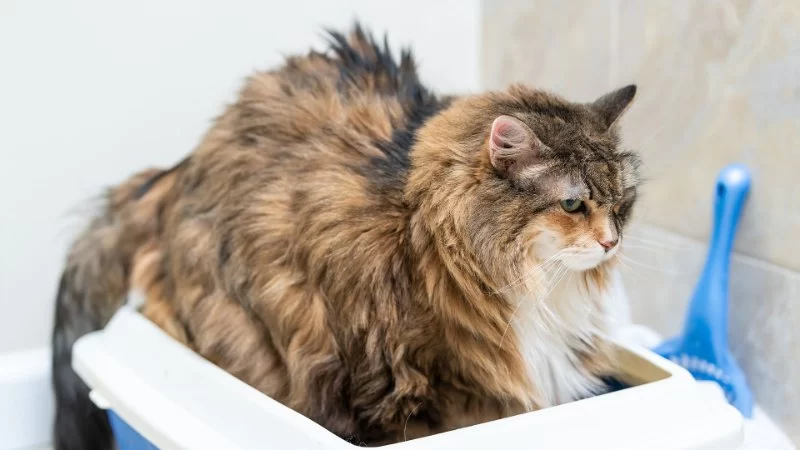
How to Recognize and Treat Pet Feline Constipation
- 1 - Understanding Feline Constipation
- 2 - Symptoms of Constipation in Cats
- 3 - How to Treat Feline Constipation
- 4 - Prevention and Ongoing Care for Cats
- 5 - Real-Life Case Studies of Feline Constipation
1 - Understanding Feline Constipation
Feline constipation occurs when a cat has difficulty or is unable to pass stool regularly. It is a common condition, especially in older cats or those that have underlying health issues. Constipation can be caused by a variety of factors, such as dehydration, poor diet, lack of exercise, or more serious medical conditions such as intestinal obstruction or kidney disease.
When left untreated, constipation can lead to more severe health complications, including megacolon, a condition where the colon becomes enlarged and loses its ability to function properly. This is why it's essential to address any signs of constipation in your cat promptly and take the necessary steps to treat it.
2 - Symptoms of Constipation in Cats
Recognizing the symptoms of constipation in cats is key to preventing further health problems. Some common signs that your cat may be suffering from constipation include:
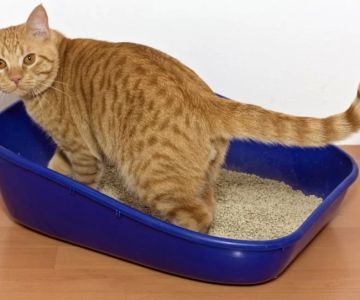
- Infrequent or absent bowel movements: If your cat is not using the litter box as often as usual, or you notice that they are straining without producing stool, constipation may be the issue.
- Hard, dry stools: If your cat does pass stool, it may be dry, small, or hard, indicating that the stool is staying in the colon longer than it should.
- Vomiting: Cats with constipation may also experience vomiting due to the discomfort and buildup in their digestive tract.
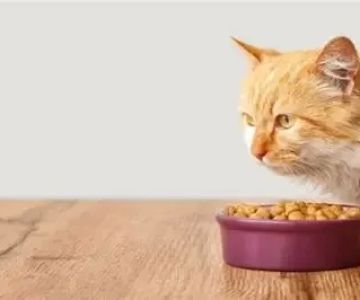
- Loss of appetite: Constipated cats may lose their appetite due to the discomfort of a full, distended abdomen.
- Straining or discomfort when using the litter box: If your cat appears to be straining, squatting frequently, or showing signs of pain when attempting to defecate, they may be constipated.
- Behavioral changes: Cats with constipation may become more irritable or withdrawn due to discomfort or pain.
If you notice any of these signs, it's important to monitor your cat closely and seek veterinary attention if the symptoms persist for more than a day or two. Left untreated, constipation can become a serious medical issue.

3 - How to Treat Feline Constipation
Treating feline constipation depends on the severity of the condition. If your cat’s constipation is mild, you may be able to address it with home remedies and lifestyle changes. However, in more severe cases, veterinary intervention may be required. Here are some common treatments:
- Increase water intake: Dehydration is a common cause of constipation. Ensuring that your cat drinks enough water can help keep their stool soft. Try offering wet food or using a pet water fountain to encourage hydration.
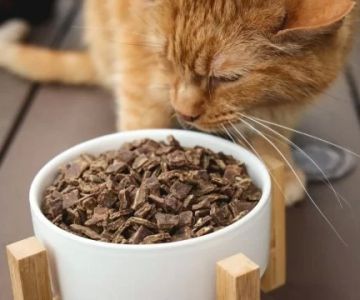
- Dietary changes: Adding fiber to your cat’s diet can help regulate their bowel movements. Consider feeding your cat a high-fiber diet or adding a fiber supplement to their food.
- Laxatives or stool softeners: Your vet may recommend over-the-counter or prescription laxatives to help soften your cat’s stool and encourage regular bowel movements.
- Enemas: In some cases, a veterinarian may need to administer an enema to help relieve severe constipation, especially if your cat is unable to pass stool at all.
- Manual removal of feces: In extreme cases, a veterinarian may need to manually remove impacted stool, especially if the constipation has led to a blockage.
It’s important to note that you should never attempt to administer human laxatives or enemas to your cat without consulting your vet first. Certain medications can be toxic to cats and cause further complications.
4 - Prevention and Ongoing Care for Cats
Preventing constipation in cats is often easier than treating it. Here are some strategies to keep your cat’s digestive system healthy:
- Regular hydration: Make sure your cat always has access to fresh water. Consider feeding wet food, which contains more moisture than dry food, to keep them hydrated.
- High-fiber diet: Feed your cat a balanced diet with the right amount of fiber. If necessary, ask your vet to recommend specific foods or supplements.
- Encourage physical activity: Cats that don’t get enough exercise may be more prone to constipation. Play with your cat regularly to keep them active and promote healthy bowel movements.
- Regular veterinary check-ups: Schedule regular check-ups with your vet to catch any underlying health conditions that may contribute to constipation, such as kidney disease or thyroid problems.
5 - Real-Life Case Studies of Feline Constipation
5.1 Case Study: Fluffy’s Struggle with Constipation
Fluffy, a 6-year-old Persian cat, had always been a bit finicky about her food and water. Over time, her owner noticed that she was straining in the litter box and appeared to be uncomfortable. After several days of not passing stool, Fluffy was taken to the vet. The vet diagnosed her with mild constipation due to dehydration and a lack of fiber in her diet. Fluffy was given a gentle laxative and a special high-fiber diet to help regulate her digestive system. With ongoing care, Fluffy was back to her playful self in just a few days.
5.2 Case Study: Leo’s Chronic Constipation
Leo, a 10-year-old tabby, had been dealing with chronic constipation for years. His owner tried various treatments, but his condition worsened. After a thorough exam, the vet determined that Leo had developed megacolon, a severe condition where the colon loses its ability to contract and pass stool. Leo underwent surgery to remove part of his colon, and with ongoing dietary changes and medications, his constipation was finally under control. His owner learned that regular veterinary visits and early intervention are key to managing chronic conditions like this.
These real-life examples show the importance of monitoring your cat’s health and seeking professional care when needed. If you suspect your cat is suffering from constipation, don’t hesitate to consult with a veterinarian.
For expert guidance on feline health and care, visit Hidden Brook Veterinary for the best recommendations and services.