- Recognizing-Feline-Chronic-Kidney-Disease-Early
- How-Chronic-Kidney-Disease-Develops-in-Cats
- Real-Stories-Showing-How-Cats-Live-With-Chronic-Kidney-Disease
- Treatment-Options-and-Long-Term-Care-Strategies
- How-Veterinarians-Diagnose-and-Manage-CKD
- Supporting-Your-Cat’s-Quality-of-Life-at-Home
1. Recognizing Feline Chronic Kidney Disease Early
Feline chronic kidney disease is one of the most common long-term illnesses found in adult and senior cats across the United States. Because symptoms develop slowly and subtly, many families only recognize the problem once their cat has already lost significant kidney function. Early recognition, however, can dramatically improve quality of life and lifespan.
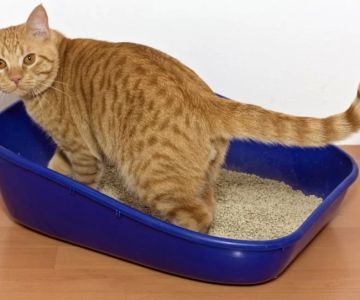
One of the earliest signs many cat owners notice is increased thirst. You may see your cat returning to the water bowl far more often or even seeking unusual water sources, such as sinks or bathtubs. Alongside this comes increased urination, sometimes leading to overflowing litter boxes or nighttime bathroom trips.
1.1 Behavioral Changes Linked to Kidney Function
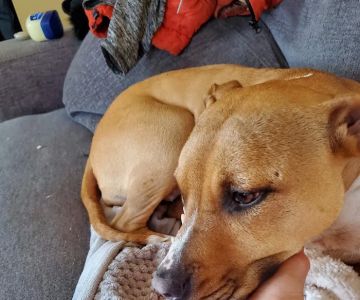
As kidney function declines, toxins accumulate in the bloodstream. This buildup affects behavior and mood. Cats may become less playful, sleep more, or appear distant. Some owners describe it as their cat “slowing down faster than expected for their age.”

1.2 Weight Loss and Appetite Decline
Another early red flag is gradual weight loss. A cat may still eat, but not enough to maintain their usual body condition. Reduced appetite becomes more noticeable as chronic kidney disease progresses and nausea sets in. Vomiting or drooling can also appear, though not always in the early stages.
2. How Chronic Kidney Disease Develops in Cats
Chronic kidney disease in cats usually develops due to age-related cell damage, genetic factors, long-term dehydration, or previous infections. The kidneys lose their ability to filter waste and balance fluids, leading to persistent toxin accumulation over time.
Unlike acute kidney failure, which happens suddenly, chronic disease evolves slowly. This slow progression is why veterinarians emphasize regular senior wellness exams starting around age seven. Early lab work often catches kidney changes well before visible symptoms appear.
2.1 The Kidneys’ Silent Decline
A cat’s kidneys can lose up to 70% of their function before dramatic symptoms emerge. This silent decline is why proactive monitoring is essential. Regular bloodwork, urine tests, and blood pressure checks allow veterinarians to catch the disease during its earliest and most manageable stages.
2.2 Risk Factors in U.S. Household Cats
Risk factors include breed predispositions such as those seen in Persians and Siamese, chronic dental disease, long-term dry food diets without adequate hydration, and age-related tissue deterioration. Households with multiple older cats often monitor hydration closely due to environmental stress or competition for shared resources.
3. Real Stories Showing How Cats Live With Chronic Kidney Disease
One widely shared case comes from a family in Colorado whose 10-year-old tabby, Rosie, suddenly began losing weight despite normal food intake. They also noticed she was drinking from the shower and seemed unusually restless at night. Tests at a local clinic revealed stage 2 chronic kidney disease. With diet changes and hydration support, Rosie stabilized and continued living comfortably for years.
Another commonly discussed online story involved an older cat named Milo, whose owners thought he was simply aging when he started sleeping more. They assumed his slower behavior was typical senior decline. Only after a routine wellness exam did they discover elevated kidney values. Early intervention allowed Milo to maintain energy levels and enjoy outdoor time long into his senior years.
3.1 What We Learn from These Experiences
These stories highlight why recognizing early behavioral and physical changes matters. Chronic kidney disease does not always present dramatically. Subtle symptoms like litter box changes, mild weight loss, or slightly duller energy may be the earliest clues that something internal is shifting.
4. Treatment Options and Long-Term Care Strategies
Although chronic kidney disease cannot be fully cured, it can be successfully managed for many years with proper treatment. The goal is always to reduce toxin buildup, support hydration, and maintain stable kidney function for as long as possible.
4.1 Prescription Renal Diets
Specialized kidney-support diets are one of the most impactful tools veterinarians use. These diets reduce protein and phosphorus levels, helping minimize the workload placed on the kidneys. Cats often respond quickly, showing improved appetite and energy.
4.2 Hydration Support
Hydration is crucial. Many cats with CKD receive subcutaneous fluids at home several times per week. Though the idea may intimidate first-time pet owners, veterinarians reassure families that the process is simple, gentle, and highly effective. Increased hydration flushes toxins and supports healthy blood flow.
4.3 Medications and Supplements
Treatments may include phosphate binders, blood pressure medications, nausea control drugs, and appetite stimulants. Supplements such as omega-3 fatty acids may also support overall kidney health. Every treatment plan must be individualized, as no two cats progress the same way.
5. How Veterinarians Diagnose and Manage CKD
Diagnosis typically involves blood tests measuring kidney values such as creatinine, SDMA, and BUN. Urine tests assess concentration ability and detect protein loss, a key marker of kidney damage. Blood pressure evaluation is essential since hypertension can worsen kidney decline.
Regular rechecks allow veterinarians to adjust treatment as the disease progresses. Many cat owners partner with resources like Hidden Brook Veterinary to explore ongoing care, nutritional guidance, and follow-up plans tailored specifically to their pet’s stage of disease.
5.1 Staging Helps Guide Treatment
Chronic kidney disease is categorized into stages, helping veterinarians determine the appropriate treatment intensity. Early stages may focus on diet alone, while later stages require more hands-on hydration support and medication.
5.2 Monitoring Over Time
Because kidney disease changes slowly, long-term monitoring ensures that small changes in appetite, hydration, or lab values are addressed before they turn into crises. Many cats maintain stable lab numbers for years with consistent veterinary supervision.
6. Supporting Your Cat’s Quality of Life at Home
Living with feline chronic kidney disease requires adjustments, but it does not mean your cat cannot enjoy a comfortable, happy life. Many cats with CKD continue to play, cuddle, explore windowsills, and enjoy their routines with proper support.
Families often find that small environment changes — fresh water stations, easier access to litter boxes, soft bedding, and calm mealtimes — make a major difference. Equally important is emotional connection; cats thrive when they feel safe and supported.
6.1 Creating a Hydration-Friendly Home
Lightly flavored water broth, multiple water bowls, or pet-safe fountains can encourage drinking. Increased hydration slows disease progression significantly.
6.2 Partnering with the Right Veterinary Team
Chronic kidney disease is not a journey pet owners should navigate alone. Experienced veterinary teams help guide families through each stage, recommend personalized nutrition, and monitor changing needs. Resources like Hidden Brook Veterinary make it easier to find the right care for your cat’s long-term health.