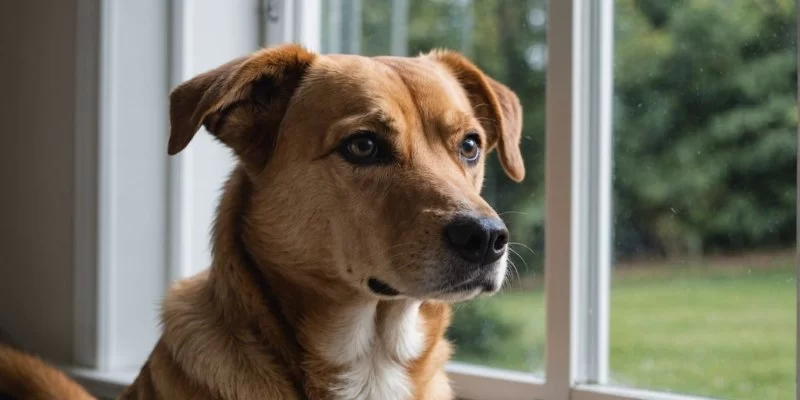
How to Help Pets With Separation Fear: Understanding and Managing Separation Anxiety
As a pet owner, there’s nothing quite as heart-wrenching as seeing your beloved animal suffering from separation anxiety. I’ve had my fair share of anxious pets, and understanding their fears and finding ways to help them cope has been a journey. Separation anxiety in pets is a common issue, but it’s one that can be managed with patience, understanding, and the right approach. In this article, I’ll share what I’ve learned about separation fear in pets, how to recognize it, and most importantly, how to help your furry friend feel secure when you’re not around.
1. What is Separation Anxiety in Pets?
Separation anxiety in pets, especially in dogs, is a behavioral condition where a pet experiences extreme distress when left alone. This condition can lead to destructive behavior, vocalization, and physical symptoms of stress. The anxiety that pets feel when separated from their owners can be quite severe, affecting both their emotional well-being and overall quality of life. If you’ve ever come home to chewed-up furniture, scratches on the door, or incessant barking, these are all signs that your pet may be experiencing separation anxiety.
1.1 Causes of Separation Anxiety
The causes of separation anxiety in pets can vary, but they generally stem from a change in the pet’s routine or environment. For example, a move to a new home, the loss of a family member, or changes in the owner's schedule can trigger anxiety in pets. Pets who are overly attached to their owners, or who have had previous traumatic experiences, are also more prone to developing separation anxiety. It’s important to note that not all pets with separation anxiety show the same symptoms, so it can sometimes be difficult to diagnose.
2. Recognizing the Symptoms of Separation Anxiety in Pets
Identifying the symptoms of separation anxiety is the first step in helping your pet. It can be tricky because many of the signs overlap with other behavioral issues, but there are a few key indicators to look for.
2.1 Destructive Behavior
One of the most obvious signs of separation anxiety is destructive behavior. This might include chewing furniture, tearing up carpets, or scratching doors. Pets with separation anxiety often try to relieve their stress by damaging things around them. They may not exhibit this behavior when you’re at home, but as soon as you leave, they may begin to act out.
2.2 Excessive Barking or Howling
If your dog barks or howls excessively when left alone, it’s a classic sign of separation anxiety. These vocalizations are often a cry for attention and a way for your pet to express their distress. While some barking is normal, if it’s constant and occurs only when you’re absent, it’s likely anxiety-related.
2.3 Physical Symptoms
Separation anxiety can also manifest in physical symptoms, such as drooling, panting, pacing, or vomiting. These signs indicate that your pet is under significant stress and their body is reacting to it. If these symptoms are persistent or worsen over time, it’s crucial to seek professional help.
3. How to Help Pets with Separation Fear
Once you’ve recognized the signs of separation anxiety, it’s time to take action. Fortunately, there are many strategies that can help alleviate your pet’s fear and anxiety. I’ve personally found that a combination of training, behavior modification, and environmental changes can work wonders for pets with separation anxiety. Here are some effective approaches to help your pet feel more comfortable when you’re not home.
3.1 Gradual Desensitization
One of the most effective ways to help a pet with separation anxiety is gradual desensitization. This method involves slowly getting your pet used to being alone by gradually increasing the time you spend away from them. Start by leaving your pet alone for short periods and gradually extend the time you are gone. This teaches them that being alone is not something to fear. Over time, your pet will learn to associate your departure with something calm and not anxiety-inducing.
3.2 Creating a Safe Space
Creating a designated "safe space" for your pet can also help reduce anxiety. This space should be somewhere comfortable and familiar, where they feel secure. It can be a crate, a small room, or even a cozy corner of the house. Fill this space with their favorite toys, bedding, and comforting items like a worn T-shirt that smells like you. By providing a familiar, safe environment, your pet will have a comforting place to retreat to when you’re away.
3.3 Using Positive Reinforcement
Positive reinforcement is a powerful tool in modifying behavior. Reward your pet with treats or praise when they remain calm during your departures or when they exhibit good behavior while you’re gone. This reinforces the idea that being alone can be a positive experience. It’s essential to stay consistent with this approach to help your pet form new, healthier associations with your absence.
3.4 Using Anxiety-Reducing Products
There are several products on the market that can help alleviate anxiety in pets. For example, anxiety vests or wraps provide gentle pressure to your pet’s body, which can have a calming effect. Additionally, pheromone sprays or diffusers can mimic the calming scents produced by a mother dog, helping your pet feel more secure. There are also calming supplements and treats designed to reduce anxiety in pets. I’ve found that using a combination of these products, along with the behavioral techniques mentioned above, can be incredibly helpful.
3.5 Seek Professional Help
If your pet’s separation anxiety is severe or doesn’t improve with these techniques, it may be time to seek professional help. A veterinarian or animal behaviorist can help assess your pet’s condition and recommend a more tailored treatment plan. In some cases, medication may be prescribed to help your pet cope with anxiety while they undergo behavior modification therapy.
4. Real-Life Example: Helping Max Overcome Separation Anxiety
I’d like to share the story of Max, a dog I helped manage separation anxiety for. Max was a rescue dog who had spent much of his early life in a shelter. When I adopted him, he showed signs of separation anxiety as soon as I left the house. He would chew through doors, bark incessantly, and even destroy furniture in his path.
At first, I was frustrated, not knowing how to help him. But through a combination of desensitization and positive reinforcement, Max slowly began to feel more comfortable with being alone. We started with short departures and gradually increased the time. I also created a cozy safe space for him with his favorite toys and a blanket that smelled like me. After a few months, Max was able to stay calm and relaxed when I left the house, and the destructive behaviors significantly reduced.
5. When to Consult a Veterinarian or Behaviorist
If your pet’s separation anxiety is severe or persists despite trying these methods, it’s important to seek professional help. A veterinarian can assess if there’s an underlying medical condition contributing to the anxiety. Additionally, an animal behaviorist can offer expert advice on managing severe separation anxiety and may recommend more specialized behavior modification techniques.
At Hidden Brook Veterinary, you can find expert advice on managing pet anxiety and purchase calming products to help alleviate stress. If you’re struggling with a pet suffering from separation anxiety, don’t hesitate to reach out for help.