- Understanding Pet Anxiety and Its Causes
- Recognizing Signs of Separation Anxiety in Pets
- Effective Strategies to Help Pets With Separation Anxiety
- Long-Term Solutions for Managing Pet Anxiety
- Real-Life Examples: How Owners Are Helping Their Pets
Understanding Pet Anxiety and Its Causes
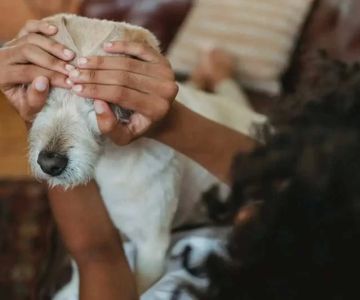
Pet anxiety is a common issue that many pet owners face, especially when their pets are left alone. Anxiety in pets can arise from various causes, including changes in environment, routine disruptions, or lack of proper socialization. Separation anxiety is a specific type of anxiety that occurs when pets are left alone or separated from their owners. This condition is especially prevalent in dogs and can lead to destructive behaviors, excessive barking, and other distressing symptoms.

Recognizing Signs of Separation Anxiety in Pets
Separation anxiety can manifest in several ways, and recognizing these signs early can help manage the condition before it worsens. Common symptoms of separation anxiety include:
- Excessive barking or howling when left alone
- Destructive behaviors like chewing furniture or scratching doors
- House soiling, even if the pet is house-trained
- Drooling, panting, or pacing
- Attempts to escape, such as clawing at windows or doors
If your pet exhibits these signs, it’s important to consult with a veterinarian or animal behaviorist to confirm if separation anxiety is the cause.

Effective Strategies to Help Pets With Separation Anxiety
Helping pets with anxiety requires a combination of behavioral strategies and environmental adjustments. Some effective methods include:
- Gradual Desensitization: This involves gradually getting your pet used to being alone by starting with short separations and slowly increasing the time apart.
- Interactive Toys and Puzzles: Providing stimulating toys or puzzle feeders can keep your pet occupied and distracted during your absence, reducing their anxiety.
- Calming Products: There are various calming aids available, including pheromone diffusers, calming collars, and anxiety wraps that provide gentle pressure and soothing effects.
- Exercise and Mental Stimulation: A tired pet is a happy pet. Regular exercise and mental stimulation can reduce overall anxiety levels, making it easier for pets to handle separations.
- Professional Help: In severe cases, working with a veterinarian or animal behaviorist may be necessary to create a customized treatment plan, which may include medication or therapy.
Consistency is key in helping pets manage separation anxiety. Establishing a routine and sticking to it can help your pet feel more secure when you are not around.
Long-Term Solutions for Managing Pet Anxiety
In addition to the immediate strategies for relieving anxiety, there are long-term solutions that can help pets adjust to being left alone over time. One long-term solution is the establishment of a consistent daily routine, which includes regular feeding times, playtime, and walks. Pets feel more secure when they know what to expect throughout the day.
Another important aspect is positive reinforcement. Rewarding your pet for calm behavior when you leave or return home can help reinforce the idea that being separated is not a negative experience. Over time, your pet will learn that separation is just a normal part of life, and anxiety levels will decrease.
Real-Life Examples: How Owners Are Helping Their Pets
Many pet owners have successfully managed separation anxiety in their pets by implementing some of these strategies. For example, one dog owner found that using a calming pheromone diffuser in combination with short separations helped their dog feel more relaxed when left alone. Another owner noticed significant improvements after introducing interactive toys and providing extra exercise, which helped her dog focus on activities other than the anxiety of being alone.
Real-life success stories like these show that with patience, understanding, and the right techniques, pets can learn to cope with separation anxiety and feel more at ease when their owners are away.