How to Help Pets with Kidney Failure Thrive
Kidney failure is a serious condition that affects many pets, particularly older animals. When a pet is diagnosed with kidney failure, it can be overwhelming for both the pet and the pet owner. However, with the right care, attention, and lifestyle changes, pets with kidney failure can continue to live a happy and comfortable life. In this article, we’ll explore effective ways to help pets with kidney failure thrive, focusing on diet, hydration, medications, and overall care. Whether you have a dog or a cat, these tips will help you support your furry friend through their condition.
- 1. Understanding Kidney Failure in Pets
- 2. The Importance of Diet for Pets with Kidney Failure
- 3. Keeping Your Pet Hydrated
- 4. Medications and Supplements for Kidney Failure
- 5. Ongoing Veterinary Care and Monitoring
1. Understanding Kidney Failure in Pets
Kidney failure occurs when the kidneys lose their ability to filter waste from the blood, which can lead to toxins building up in the body. There are two types of kidney failure in pets: acute and chronic. Acute kidney failure can occur suddenly due to factors like poisoning, dehydration, or infections, while chronic kidney failure develops gradually, often over years. Symptoms may include excessive thirst, frequent urination, weight loss, vomiting, and lethargy. If you notice any of these signs in your pet, it’s important to consult a veterinarian as soon as possible.

2. The Importance of Diet for Pets with Kidney Failure
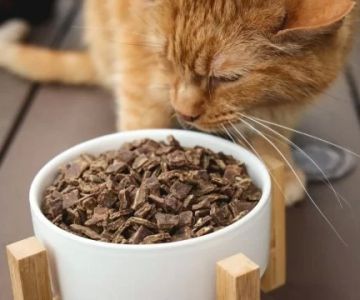
One of the most important aspects of managing kidney failure is ensuring that your pet receives the right diet. Pets with kidney failure require a special diet that helps support their kidneys while also managing the buildup of waste products in their bodies. A high-quality, kidney-friendly diet is typically low in protein, phosphorus, and sodium, while being rich in essential fatty acids and vitamins. Your veterinarian can help you choose the best food for your pet’s specific condition. Canned food is often preferred, as it contains more moisture, which helps keep your pet hydrated.

3. Keeping Your Pet Hydrated
Dehydration is a common problem in pets with kidney failure, as their kidneys are less able to concentrate urine, leading to increased water loss. Ensuring that your pet stays hydrated is crucial for managing their condition. One way to help is by providing fresh, clean water at all times. You can also try using a pet water fountain, as many animals prefer drinking running water. If your pet is not drinking enough water, talk to your veterinarian about options like subcutaneous fluid therapy, where fluids are given under the skin to keep them hydrated.
4. Medications and Supplements for Kidney Failure
Medications and supplements play an important role in managing kidney failure in pets. Your veterinarian may prescribe medications to control blood pressure, reduce protein loss in urine, or manage symptoms like nausea and vomiting. Phosphate binders can also be used to reduce phosphorus levels in the blood. In addition to medications, certain supplements may help support kidney function, such as omega-3 fatty acids and antioxidants. Always follow your veterinarian’s instructions regarding the use of medications and supplements to ensure your pet’s health is properly managed.
5. Ongoing Veterinary Care and Monitoring
Regular veterinary visits are essential for pets with kidney failure. Your veterinarian will monitor your pet’s condition through blood tests, urine tests, and physical exams to assess kidney function and detect any changes in their health. These check-ups are critical for adjusting treatment plans as necessary and preventing complications. Your veterinarian may also recommend additional therapies, such as acupuncture or special diets, to help manage kidney failure. Ongoing care and open communication with your vet are key to helping your pet thrive despite their condition.
Supporting a pet with kidney failure requires patience and commitment, but with the right care, they can live a fulfilling life. Make sure to provide a balanced diet, keep them hydrated, and follow your vet's advice on medications and regular monitoring. For expert care and products tailored to your pet’s needs, visit Hidden Brook Veterinary for trusted advice and recommendations that can make a difference in your pet’s quality of life.