- #how-to-help-pets-with-hearing-loss-adjust—tips-for-owners-and-caregivers
- #understanding-pet-hearing-loss—symptoms-and-diagnosis
- #communication-methods-for-deaf-pets—improving-connection
- #training-deaf-pets—techniques-for-adjustment
- #real-stories-from-pet-owners—helping-deaf-pets-thrive
- #how-hidden-brook-veterinary-can-support-your-pet-care
1. How to Help Pets with Hearing Loss Adjust — Tips for Owners and Caregivers
As pet owners, it’s important to recognize and understand how hearing loss can affect your pet. Whether due to aging, injury, or congenital conditions, many pets experience hearing loss at some point in their lives. If you notice signs that your pet may be struggling to hear, it’s crucial to know how to help them adjust to this new reality.
While hearing loss can be a significant change for both pets and their owners, it’s possible to manage the situation with the right strategies. With a little patience and creativity, pets can continue to lead fulfilling lives despite their hearing impairments. In this article, we’ll explore how to help pets with hearing loss adjust, from understanding the signs to training and communication tips.
2. Understanding Pet Hearing Loss — Symptoms and Diagnosis
Hearing loss in pets can occur for various reasons, including age-related changes, injury, or congenital issues. Understanding the symptoms of hearing loss is the first step in helping your pet. Here are some common signs that may indicate hearing loss:

6370 North Point Pkwy, Alpharetta, GA 30022, USA
See Details2.1 Signs of Hearing Loss in Pets
Pets with hearing loss may exhibit a variety of behaviors that suggest they’re struggling to hear their environment:
- Not reacting to loud noises like doorbells, sirens, or claps
- Increased sleeping or seeming unaware of people approaching
- Not responding to their name being called
- Excessive barking (for dogs), meowing, or vocalizations when they’re unsure of what’s going on around them
- Appearing startled or disoriented by sudden movements
2.2 How to Diagnose Hearing Loss in Pets
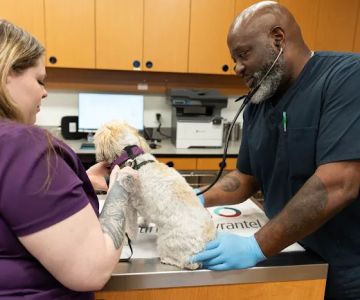
If you notice any of these signs, it’s important to consult with your veterinarian. Your vet may perform specific tests, such as the brainstem auditory evoked response (BAER) test, to determine the extent of hearing loss and confirm the diagnosis.
Early diagnosis can help you make adjustments sooner and start helping your pet adjust to their condition with minimal stress.
3. Communication Methods for Deaf Pets — Improving Connection
Pets with hearing loss may not respond to verbal cues or sounds, but that doesn’t mean communication with them is impossible. You’ll just need to adapt your methods to create clear signals and maintain a strong connection with your pet.
3.1 Using Visual Cues and Hand Signals
One of the most effective ways to communicate with a deaf pet is through visual cues. Many pet owners teach their pets simple hand signals or visual commands. For instance, you can teach your dog to sit or stay by using hand gestures that they can easily recognize.
For cats, you can use visual cues such as a flashlight or a gentle wave to get their attention, or even train them to associate certain motions with specific actions.
3.2 Touch and Vibrations
Touch is another powerful tool for deaf pets. Gently tapping or lightly touching your pet can get their attention when they aren’t aware of your presence. For larger areas, consider using a vibrating collar to provide cues or alert your pet to a specific action.
3.3 Maintaining a Calm Environment
A calm, predictable environment is essential for pets with hearing loss. Try to reduce sudden movements and avoid startling them. Keeping a consistent routine can also help them feel more secure and less anxious about their surroundings.
4. Training Deaf Pets — Techniques for Adjustment
Training a pet with hearing loss is possible, but it may require extra time and patience. The key is to focus on positive reinforcement and use methods that rely on visual or tactile cues.
4.1 Start with Simple Commands
Begin by teaching basic commands using hand signals. For example, start with the “sit” command by using a flat hand gesture above your pet’s head. Repeat the signal each time, paired with a reward when they respond correctly.
Dogs often learn quicker with consistent training, so the more practice they get, the better they will respond to your signals. Cats may take a bit longer, but with persistence, they too can learn visual commands over time.
4.2 Use Positive Reinforcement
As with any training, positive reinforcement is crucial. Offer treats, praise, or affection as rewards when your pet follows your cues correctly. This reinforces the behavior and motivates them to continue responding to your visual signals.
4.3 Establish a Routine
Deaf pets benefit greatly from routines. Keeping a consistent daily schedule helps them feel more secure and confident. For example, always use the same hand signals at the same times of day for feeding or walks. This helps reduce confusion and strengthens the bond you share with your pet.
5. Real Stories from Pet Owners — Helping Deaf Pets Thrive
Many pet owners have successfully helped their deaf pets adjust and thrive. One dog owner shared how their rescue dog, who had gradually lost his hearing, began responding to hand signals after a few months of training. They reported that their dog was happier, less stressed, and more engaged in everyday activities.
Another pet parent of a cat with hearing loss created a simple visual communication system using a laser pointer for attention and a specific hand signal for feeding time. This allowed their cat to adjust well, despite the loss of hearing, and the routine became part of their bond.
6. How Hidden Brook Veterinary Can Support Your Pet Care
If you’re concerned about your pet’s hearing or any other health condition, Hidden Brook Veterinary is here to help. We provide expert advice and care to ensure your pet lives a healthy, fulfilling life. Our experienced veterinarians can help diagnose hearing loss, offer solutions for managing it, and support you in training and adjusting to your pet’s needs.
With the right tools, training, and a compassionate approach, pets with hearing loss can continue to enjoy life to the fullest. Don’t hesitate to reach out to Hidden Brook Veterinary for the best care and resources for your furry friend.