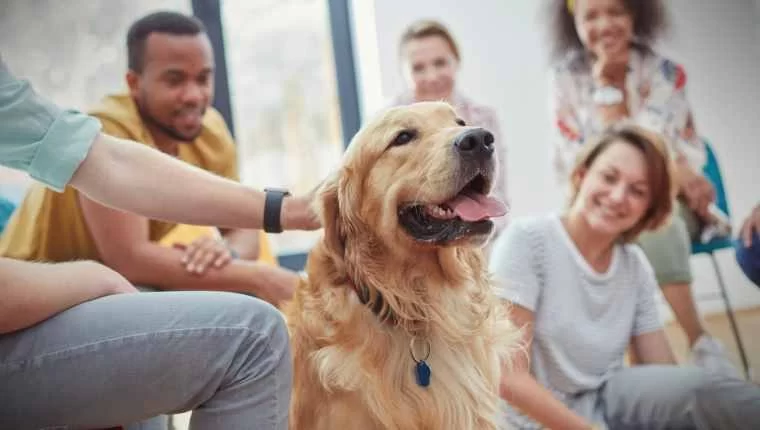
Understanding Social Anxiety in Dogs
Social anxiety in dogs, especially around strangers, is a common issue many pet owners face. Just like humans, dogs can experience anxiety in social situations, and when it comes to unfamiliar people, the fear can be overwhelming for them. This anxiety may manifest in various behaviors, such as barking, growling, hiding, or even trembling. Understanding the root causes of this anxiety is the first step in helping your dog feel more comfortable around strangers.
Dogs may develop social anxiety for several reasons. It could stem from a lack of early socialization, negative past experiences, or a genetic predisposition to anxiety. For some dogs, the presence of new people can trigger a fight-or-flight response, which is why they may act out in stressful ways. Identifying the symptoms and triggers of anxiety is crucial before beginning any intervention. This can help ensure that you address the issue in a safe and effective manner.

1. Gradual Exposure to Strangers
One of the most effective ways to help a dog with social anxiety around strangers is through gradual exposure. This method involves slowly introducing your dog to new people in a controlled and positive way. Here’s how you can start:

1.1 Start with Familiar People
Begin by having your dog interact with people they already know and trust. This can help your dog feel more comfortable in social situations and build confidence. For instance, have a friend or family member sit with your dog and reward them with treats for calm behavior. Positive reinforcement helps to establish a connection between strangers and a positive experience.
1.2 Introduce New People Slowly
Once your dog is comfortable with familiar individuals, introduce them to new people gradually. Have the new person approach slowly, without making sudden movements or loud noises, and allow the dog to initiate the interaction. Let your dog sniff the person’s hand before they attempt to pet or engage with them. This slow introduction helps prevent overwhelming your dog.
1.3 Use Positive Reinforcement
During each new interaction, reward your dog for calm behavior. Praise, treats, and even playtime can reinforce the idea that being around strangers is not something to fear. Over time, as your dog experiences these positive encounters, they will begin to associate strangers with good things, which can reduce anxiety.
2. Create Safe Spaces for Your Dog
Dogs with social anxiety may need a safe place where they can retreat when feeling overwhelmed. Creating a space where your dog can feel secure is an essential part of their training. Here’s how to do it:
2.1 Establish a Quiet Area
Designate a quiet area in your home where your dog can go to escape the chaos of social situations. This could be a crate, a dog bed, or even a separate room. Ensure that this space is filled with comforting items, such as their favorite blanket or toy. Having a safe space allows your dog to relax and regain composure when they feel anxious.
2.2 Use Calming Products
There are various calming products on the market that can help ease your dog’s anxiety. Items like calming collars, pheromone diffusers, or anxiety wraps can provide additional support during stressful situations. You can also consider using natural supplements or medications, under the guidance of your vet, to help manage anxiety in more severe cases.
3. Consistent Training and Commands
Training is essential when it comes to addressing social anxiety. Consistent commands and positive reinforcement help your dog understand what is expected of them and provide structure during social situations. Here are some tips for effective training:
3.1 Teach Basic Commands
Start by teaching your dog basic commands like “sit,” “stay,” and “come.” These commands can help your dog focus on you and stay calm when they are feeling anxious. Practicing these commands regularly will reinforce your dog’s obedience and help them manage stressful situations better.
3.2 Use Desensitization and Counter-Conditioning
Desensitization involves gradually exposing your dog to anxiety-inducing situations at a low level and slowly increasing the intensity. For example, if your dog is scared of the doorbell, start by ringing the doorbell at a low volume, then reward your dog for staying calm. Over time, you can increase the volume and introduce strangers. Counter-conditioning involves changing your dog’s emotional response to a trigger by pairing it with something positive, such as treats or praise.
4. Provide Mental and Physical Stimulation
Sometimes, anxiety can be exacerbated by pent-up energy. Providing mental and physical stimulation can help reduce anxiety and improve your dog’s overall well-being. Here’s how:
4.1 Regular Exercise
Ensure your dog gets plenty of physical activity. Regular walks, playtime, and outdoor adventures help release excess energy and reduce stress. A tired dog is a less anxious dog, as exercise helps release endorphins that promote a sense of calm.
4.2 Mental Enrichment
In addition to physical exercise, mental stimulation is crucial for managing anxiety. Puzzle toys, scent work, or interactive games can keep your dog’s mind engaged and focused. Mental stimulation provides an outlet for stress and can prevent your dog from fixating on their fears.
5. Seek Professional Help if Needed
If your dog’s anxiety is severe or persistent despite your efforts, it may be time to consult with a professional. A certified dog trainer or animal behaviorist can provide tailored strategies to address your dog’s specific issues. In some cases, medication prescribed by your veterinarian may be necessary to manage anxiety effectively.
5.1 When to Seek Help
If your dog’s social anxiety is interfering with their daily life, or if they are exhibiting aggressive behaviors, it’s essential to seek professional guidance. A behaviorist can assess the situation and help create a customized plan to support your dog’s needs.
Conclusion
Helping a dog with social anxiety requires patience, understanding, and consistency. Through gradual exposure, safe spaces, training, and professional support, you can help your dog feel more comfortable around strangers and reduce their anxiety. By addressing the issue early on and following these steps, you’ll set your dog up for a happier and healthier life. For expert advice and resources on managing your dog’s anxiety, visit Hidden Brook Veterinary.