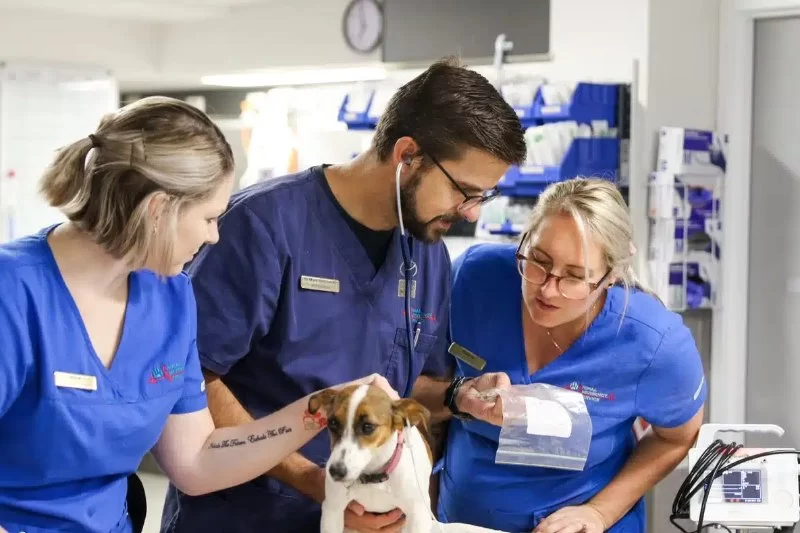
- 1. Why Pet Emergencies Need Immediate Action
- 2. Common Pet Emergencies and How to React
- 3. First Aid for Pets During an Emergency
- 4. What to Do Before Reaching the Vet
1. Why Pet Emergencies Need Immediate Action
When your pet is in distress, it’s crucial to respond quickly. Pet emergencies can happen unexpectedly, and swift action can make all the difference in ensuring your furry friend’s health and safety. The moment you recognize that something is wrong with your pet, it's important to remain calm and take immediate steps to manage the situation before getting them to a veterinary professional.
Whether it's an accident, a sudden illness, or an injury, knowing how to handle a pet emergency can prevent further harm and buy you precious time until professional help is available. In this article, we will walk you through the common types of pet emergencies, essential first aid steps, and expert-approved actions you should take before reaching the vet.

2. Common Pet Emergencies and How to React
Understanding common pet emergencies can help you react promptly and appropriately. Here are a few common scenarios and how you should handle them before you reach the vet:

2.1 Choking or Difficulty Breathing
If your pet is choking or experiencing difficulty breathing, it is essential to act fast. First, check for any obstructions in their throat. If you can see an object blocking the airway, gently remove it. If your pet is still struggling to breathe, try performing a basic Heimlich maneuver for pets or seek immediate help from a veterinary professional. Keep your pet calm and still until you can get to the vet.
2.2 Seizures
Seizures can be frightening, but it’s important to stay calm. Clear the area around your pet to prevent injury, but avoid restraining them. Time the seizure and keep track of its duration. Do not put anything in their mouth. Once the seizure ends, let your pet rest and get them to the vet as soon as possible for further evaluation.
2.3 Bleeding or Trauma
In the case of severe bleeding or trauma, it’s important to control the bleeding before getting to the vet. Apply direct pressure to the wound using a clean cloth or bandage. If the bleeding doesn’t stop, elevate the injured area (if possible) and continue applying pressure. Keep your pet calm and transport them to the veterinary clinic as soon as possible.
2.4 Poisoning or Toxic Ingestion
If you suspect your pet has ingested something toxic, such as a household cleaner, chocolate, or a plant, call the vet immediately. Many toxins require urgent intervention. Do not attempt to induce vomiting unless advised by the vet. Keep the packaging of the substance your pet ingested for the vet to identify the toxin and recommend appropriate treatment.
3. First Aid for Pets During an Emergency
First aid knowledge is essential for every pet owner. Here are some general first aid steps you should take during an emergency:
3.1 Stay Calm and Assess the Situation
Before jumping into action, take a deep breath and assess your pet’s condition. Keeping calm will help you think more clearly and act more effectively. Check if your pet is conscious, breathing, and responsive. If they are unconscious or in distress, it’s important to stay as composed as possible while you prepare to provide assistance.
3.2 Control Bleeding
If your pet is bleeding, apply direct pressure to the wound using a clean cloth or gauze. If the bleeding is severe and doesn't stop after a few minutes of pressure, apply a tourniquet above the injury (if appropriate). Keep your pet as still and calm as possible while heading to the vet.
3.3 Perform CPR if Necessary
If your pet is not breathing and has no pulse, perform CPR. For small pets, place your mouth over their nose and mouth and give gentle breaths. For larger pets, you may need to give chest compressions. If you’re unsure how to perform CPR on your pet, call the vet immediately for instructions while you're on the way to the clinic.
4. What to Do Before Reaching the Vet
While you're on your way to the vet, there are a few things you can do to further help your pet. These actions can minimize stress and potentially improve your pet’s chances of recovery:
4.1 Keep Your Pet Calm
Whether your pet is injured or stressed, keeping them calm is essential. Talk to them in a soothing voice and keep them as still as possible. Avoid making sudden movements, as this can escalate their anxiety or worsen injuries.
4.2 Prepare Important Information
When you reach the vet, providing detailed information about the emergency is crucial for prompt treatment. Bring along any details about what happened, when it happened, and any substances your pet may have ingested. If your pet is on medication or has pre-existing conditions, inform the vet immediately.
4.3 Have Emergency Numbers Ready
Keep the contact details of your regular vet and any emergency animal clinics in your area easily accessible. Having these numbers at hand can save precious time in an emergency situation. In some cases, knowing where the nearest emergency clinic is located can be helpful if your regular vet is unavailable.
If you ever face a pet emergency and need additional advice or products to care for your pet, don’t hesitate to visit Hidden Brook Veterinary. Our expert team offers valuable insights and products designed to help you navigate pet emergencies safely and efficiently.