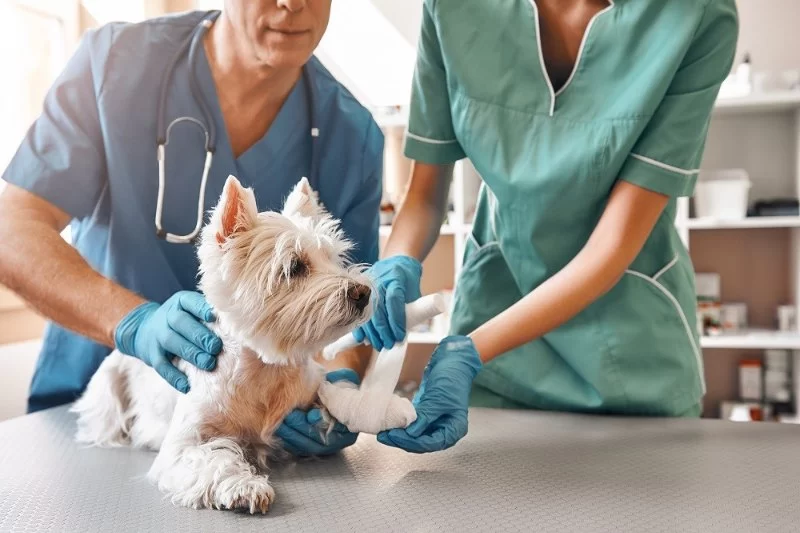
How to Handle a Pet Emergency Before Reaching the Vet: Every Owner Should Know
- 1. Recognizing the Signs of a Pet Emergency
- 2. Essential First-Aid Steps for Pet Emergencies
- 3. What to Do When Your Pet is Choking
- 4. How to Handle a Pet's Seizure Before the Vet
- 5. Preventing Pet Emergencies: Tips for Pet Owners
- 6. Hidden Brook Veterinary: When to Seek Professional Help
1. Recognizing the Signs of a Pet Emergency
Pet emergencies can happen unexpectedly, and knowing how to identify them can make a crucial difference in how quickly you respond. Recognizing signs of distress early is key to managing the situation effectively. Symptoms such as sudden vomiting, difficulty breathing, or visible injuries may be signs that your pet needs immediate attention.

1.1 Common Pet Emergency Symptoms
Some common signs that indicate an emergency include:
- Heavy bleeding or open wounds
- Breathing difficulties or coughing
- Loss of consciousness
- Unexplained vomiting or diarrhea
2. Essential First-Aid Steps for Pet Emergencies
Before you rush to the vet, it’s important to remain calm and take basic first-aid steps. Depending on the nature of the emergency, these actions can help stabilize your pet until professional care is available.

2.1 Basic Pet First-Aid
Some useful first-aid measures include:
- Applying pressure to stop bleeding
- Keeping your pet calm and still
- Resisting the urge to give your pet food or water if they are unconscious
3. What to Do When Your Pet is Choking
If your pet is choking, time is of the essence. Quickly assess the situation and check their mouth for any visible obstructions. If the object can be seen, you can try to remove it with your fingers, but be cautious to avoid pushing it further down their throat.
3.1 Heimlich Maneuver for Pets
If your pet cannot breathe and you cannot remove the obstruction, performing a pet Heimlich maneuver may help. This technique should be performed by professionals, so seek immediate help if needed.
4. How to Handle a Pet's Seizure Before the Vet
Seizures in pets can be frightening, but it’s important to stay calm and keep your pet safe. Clear the area around them to avoid injury, and make sure they’re on a soft surface. Don’t try to restrain your pet or place anything in their mouth.
4.1 Post-Seizure Care
After the seizure, keep your pet warm and calm. They may be disoriented or anxious, so offer comfort and wait until they are fully alert before seeking medical attention.
5. Preventing Pet Emergencies: Tips for Pet Owners
Preventing emergencies in the first place is always better than handling one. Regular health check-ups, a safe home environment, and proper training can help reduce the likelihood of emergencies occurring. For example, keeping dangerous objects out of your pet’s reach, feeding them appropriate foods, and using pet-proofing measures can all minimize risks.
5.1 Regular Vet Visits
Routine vet visits are essential for early detection of potential issues. Regular vaccinations, flea and tick prevention, and dental care can help avoid many pet emergencies.
6. Hidden Brook Veterinary: When to Seek Professional Help
Even after taking initial first-aid steps, it's crucial to seek professional help for a thorough examination. At Hidden Brook Veterinary, we are committed to offering expert care for your pet’s health needs. If you ever find yourself in an emergency situation, don’t hesitate to contact us immediately for guidance or to schedule a visit.