How to Create a Calming Environment for an Anxious Pet
1. Understanding Why Pets Experience Anxiety
Recognizing the Emotional Triggers Behind Stress
Anxiety in pets often comes from everyday situations such as loud noises, unfamiliar guests, separation from their owners, or even changes in routine. In the United States, many pet owners report that their dogs become frightened during thunderstorms or fireworks, while cats may hide for hours after encountering new visitors. Understanding these emotional triggers is the foundation for learning how to create a calm environment for an anxious pet, because each pet reacts differently based on temperament, past experiences, and household dynamics.
A well-known story circulated online about a rescued mixed-breed dog named Luna who trembled whenever she heard the sound of trucks passing by. Her previous living environment was chaotic, and those noises reminded her of distressing memories. After months of patient training and environmental changes, her reactions gradually softened. Luna’s case demonstrates how emotional associations influence anxiety, and how transforming the pet’s environment can help reshape their sense of safety.
2. Creating a Peaceful Physical Space at Home
Designing a Safe Zone That Feels Secure
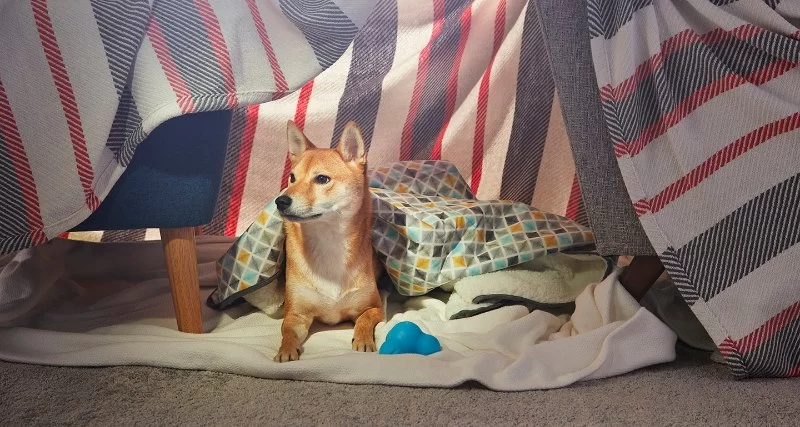
A dedicated safe zone helps anxious pets retreat when the world feels overwhelming. This space can be a corner of the living room, a covered crate, or a cozy room with low foot traffic. Soft bedding, warm blankets, and gentle lighting help create a soothing atmosphere. For cats, vertical spaces like shelves or window perches give them a sense of control and observation, while dogs often benefit from small enclosed spaces where they feel protected.
Temperature also plays an important role. Many anxious pets relax better in slightly warm environments, which mimic natural comfort. A quiet fan or white-noise machine can help drown out unpredictable sounds from outside, reducing sudden noise triggers that may startle sensitive animals.
3. Using Sensory Calming Techniques
Combining Sound, Scent, and Touch to Reduce Stress
Sensory experiences deeply impact how pets interpret their surroundings. Gentle classical music, soft instrumental tracks, or rhythmic nature sounds have been shown to reduce tension in anxious dogs and cats. Some pet owners in the United States even create custom playlists for their animals during stressful events.
Light, pet-safe scents such as lavender or chamomile can also help soothe nerves. Many pet parents notice that diffusing calming scents or using lightly scented sprays—specifically formulated for animals—helps create a peaceful environment.
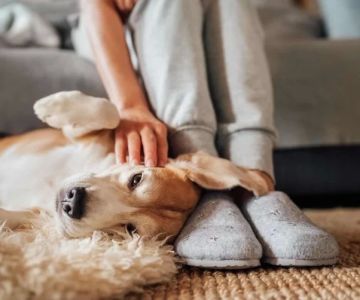
Physical touch can be just as powerful. Slow, steady strokes along the pet’s back or gently massaging around the ears often helps regulate their breathing. A popular viral clip once showed a shelter cat calming down instantly when a volunteer simply placed a gentle hand over its shoulders. Although the moment lasted only seconds, it demonstrated how physical reassurance can make a significant difference.
4. Establishing a Stable Daily Routine
How Predictability Helps Pets Feel Safe
Pets thrive on routine because predictability reduces uncertainty—the very thing that fuels anxiety. Establishing consistent feeding times, daily walks, play sessions, and bedtime habits creates structure that helps anxious pets feel grounded. Many pet owners find that even small scheduling adjustments lead to noticeable improvements in behavior.
For example, an anxious beagle in Texas struggled with separation anxiety whenever his owner left for work. After switching to a structured morning routine that included exercise, puzzle feeders, and quiet-time activities, the dog began showing fewer signs of distress. This transformation highlights how routine helps pets understand what to expect, reducing emotional tension throughout the day.
5. Encouraging Healthy Mental and Physical Activity
The Role of Exercise in Reducing Anxiety
Physical activity helps regulate stress hormones and burns excess energy that contributes to anxiety. Dogs often benefit from longer walks, agility activities, or interactive games that stimulate their minds. Cats may respond well to feather wands, puzzle toys, and climbing structures that keep them engaged without overstimulation.
Enrichment activities can also include food-based puzzles, scent games, and slow feeders that challenge pets mentally while helping them focus their attention. These small activities give pets a productive outlet for nervous energy and help redirect anxious behaviors into healthier patterns.
6. Professional Support When Anxiety Becomes Overwhelming
When to Seek Help from a Veterinary Professional
Some pets experience anxiety that goes beyond environmental triggers and requires professional evaluation. Conditions such as phobias, chronic stress, or separation anxiety may involve deeper behavioral or medical concerns. Veterinary professionals can perform assessments to rule out underlying health issues and recommend targeted treatments, including behavioral therapy or medication when necessary.
Many pet owners turn to trusted clinics such as Hidden Brook Veterinary for guidance tailored to their pet’s emotional and physical needs. Veterinary teams can help design calming strategies, provide training recommendations, and support long-term management plans for anxiety-related conditions.
Creating a calming environment for an anxious pet is not a single-step process. It is a compassionate journey involving observation, patience, and understanding. With the right environment, emotional support, and professional guidance when necessary, anxious pets can learn to feel safe, relaxed, and confident in their homes again.