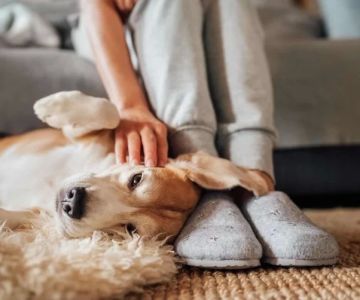
1. Understanding Dog Anxiety
Dogs, like humans, can suffer from anxiety, which can manifest in various behaviors such as excessive barking, trembling, hiding, or destructive behavior. Understanding the root causes of your dog’s anxiety is the first step in helping them feel more relaxed at home. Anxiety in dogs can be triggered by separation, loud noises, unfamiliar situations, or even changes in their routine.
By identifying the signs of anxiety, you can start to address your dog's needs. Common symptoms include:
- Excessive barking or whining
- Trembling or shaking
- Destructive behavior, such as chewing or digging
- Hiding or avoiding interaction
- Excessive drooling or panting
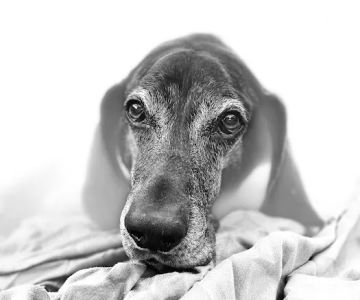
2. How to Calm a Dog with Anxiety at Home
Managing dog anxiety at home requires a combination of environmental changes, behavioral adjustments, and sometimes, medical intervention. Here are some key strategies that can help calm your dog’s anxiety:
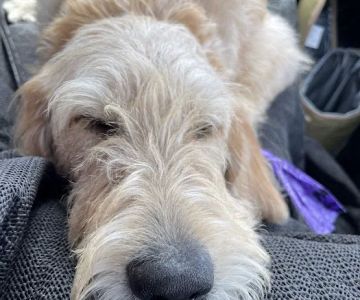
2.1 Create a Calm Environment
Dogs are sensitive to their surroundings, and a chaotic or loud environment can make their anxiety worse. Creating a calming space for your dog is essential. This can include setting up a designated area in your home where your dog can retreat when they feel anxious. A cozy, quiet space with their bed, familiar toys, and calming scents can help your dog feel safe.
You can also reduce external stressors by:
- Using noise-canceling devices or white noise machines to block out loud noises.
- Making sure your dog has a peaceful area with minimal disturbances.
- Avoiding sudden changes in their routine, which can add to their stress.
2.2 Positive Reinforcement and Training
Training your dog using positive reinforcement can have a significant impact on reducing anxiety. Rewarding calm behavior, especially in stressful situations, helps your dog associate certain experiences with positive outcomes. For example, when your dog remains calm during a storm, reward them with a treat or praise.
Gradual desensitization is another effective technique. This involves slowly exposing your dog to anxiety-inducing situations in a controlled manner, paired with positive reinforcement. Over time, your dog will learn to tolerate or even enjoy situations that once made them anxious.
2.3 Use Calming Products and Aids
There are several products available that can help soothe your dog's anxiety. Some of these include:
- Calming collars: These collars are infused with calming pheromones that help reduce anxiety.
- Calming music: Many dogs respond well to soothing sounds. You can play calming music or use apps specifically designed for calming pets.
- CBD products: CBD oil and treats have been shown to help calm anxious dogs. Consult with your vet before introducing any CBD products.
- Thundershirts: These pressure garments can provide comfort for dogs during stressful events like thunderstorms or fireworks.
2.4 Exercise and Mental Stimulation
Physical exercise and mental stimulation can do wonders for a dog suffering from anxiety. Regular walks, playtime, and interactive toys can help release pent-up energy and distract from anxiety triggers. Exercise helps to release endorphins, which improve mood and reduce stress.
Puzzle toys, treat-dispensing toys, and scent games are excellent ways to engage your dog's mind. These activities keep your dog busy and focused, reducing the chances of them becoming fixated on their anxiety.
2.5 Maintain a Consistent Routine
Dogs thrive on routine, and disruptions to their daily schedule can heighten anxiety. By maintaining a consistent feeding, walking, and bedtime routine, you provide your dog with a sense of stability. This predictability helps reduce stress and allows your dog to feel more secure in their environment.
2.6 Consult a Veterinarian or Professional Trainer
If your dog’s anxiety persists despite your best efforts at home, it may be time to seek professional help. A veterinarian can rule out any underlying health conditions that may be contributing to the anxiety, and they may prescribe medication or recommend supplements to help manage the symptoms.
In cases where behavioral training is needed, a certified dog trainer or behaviorist can assist in developing a customized training plan. A professional can provide the guidance you need to help your dog overcome their fears in a safe and controlled manner.
3. Additional Tips for Helping a Dog with Anxiety
Along with the techniques mentioned above, there are other simple steps you can take to help your dog manage anxiety:
- Avoid punishment: Never punish your dog for showing signs of anxiety. This will only exacerbate the problem and make your dog more fearful.
- Use calming scents: Lavender and chamomile essential oils are known for their calming properties. You can use a diffuser or sprays to create a soothing atmosphere for your dog.
- Provide comfort items: Give your dog their favorite blanket or a piece of clothing that smells like you to offer comfort during stressful times.
Remember, every dog is different, and what works for one may not work for another. It may take some trial and error to find the right combination of techniques to help your dog. Be patient, consistent, and always show your dog love and support as they navigate their anxiety.