- 1 - Why Bathing Frequency Matters for Pet Health
- 2 - Bathing Guidelines for Short-Coated Pets
- 3 - Bathing Needs for Long-Coated Pets
- 4 - Double-Coated Breeds and Their Special Care
- 5 - Pets with Sensitive Skin and Allergy Concerns
- 6 - Real-Life Cases: How Bathing Frequency Made a Difference
- 7 - Expert Tips for Choosing the Right Products and Routine
- 8 - Ongoing Grooming and the Role of Veterinary Guidance
1. Why Bathing Frequency Matters for Pet Health
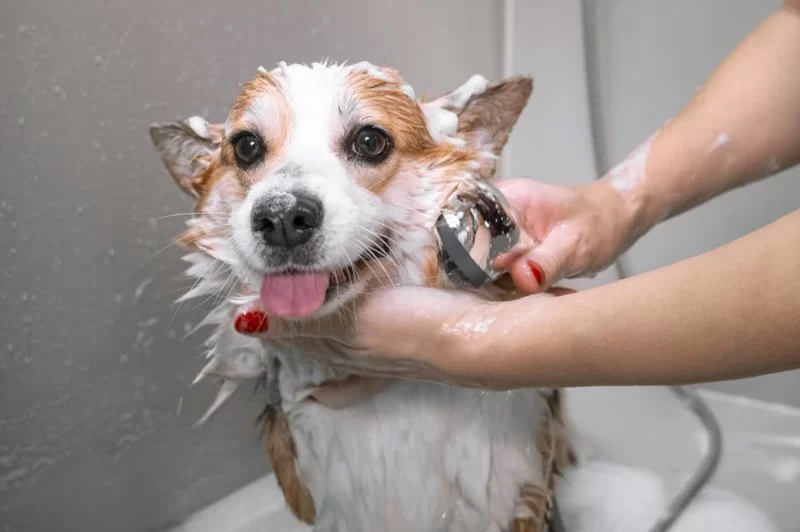
Bathing is more than just about keeping pets smelling fresh. The frequency with which you bathe your pet directly affects their skin health, coat condition, and even their overall comfort. Overbathing can strip natural oils, leaving the skin dry and itchy, while underbathing allows dirt, allergens, and bacteria to build up. Understanding how often you should bathe your pet ensures that grooming supports, rather than harms, their well-being. Clinics like Hidden Brook Veterinary often emphasize that the right balance keeps your pet healthy and happy.
2. Bathing Guidelines for Short-Coated Pets
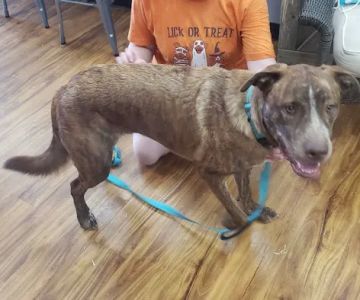
Pets with short coats, such as Beagles or Dalmatians, typically require less frequent bathing—usually once every two to three months. Their coats are less prone to tangling and matting, and natural oils distribute easily across their skin. However, lifestyle plays a role; active dogs that spend a lot of time outdoors may need more frequent baths. Owners should also use mild shampoos to prevent irritation, especially since short coats provide less protection from harsh products.

3. Bathing Needs for Long-Coated Pets
Long-coated breeds like Golden Retrievers or Persians often require more frequent bathing, typically every four to six weeks. Their coats can trap dirt, debris, and allergens more easily, making regular grooming essential. Bathing should be paired with consistent brushing to prevent mats and tangles. Neglecting this care can result in painful skin conditions. In these cases, understanding how often you should bathe your pet is critical to avoiding costly vet visits and ensuring comfort.
4. Double-Coated Breeds and Their Special Care
Double-coated breeds, such as Huskies or German Shepherds, present unique challenges. Their dense undercoats trap heat and shed seasonally. Bathing should be done only as needed—generally every three to four months—since overbathing can interfere with natural shedding cycles. Instead, regular brushing is the priority. Many veterinarians, including those at Hidden Brook Veterinary, caution that bathing too frequently can lead to excessive shedding and weakened coat health.
5. Pets with Sensitive Skin and Allergy Concerns
Some pets suffer from sensitive skin or allergies, requiring customized bathing schedules. Dogs with skin allergies might benefit from medicated shampoos prescribed by a vet, but these should not be overused. Bathing too often can exacerbate irritation, while too little may allow allergens to worsen symptoms. Cats with sensitivities are especially prone to overgrooming when their skin becomes itchy. For these pets, a careful balance and professional guidance are essential.
6. Real-Life Cases: How Bathing Frequency Made a Difference
A family in California noticed their Labrador developed persistent itching after weekly baths. After consulting with Hidden Brook Veterinary, they reduced bathing to once every six weeks and introduced a moisturizing shampoo. The symptoms disappeared within a month. In another case, a Persian cat with long fur developed matting due to infrequent baths. After implementing a bi-weekly grooming and monthly bathing routine, the cat’s coat health improved significantly. These examples show how bathing frequency impacts not only hygiene but also comfort and quality of life.
7. Expert Tips for Choosing the Right Products and Routine
Veterinarians recommend using shampoos specifically designed for pets, as human products can disrupt their skin’s pH balance. Owners should also consider water temperature—lukewarm water is best to avoid discomfort. After bathing, thorough drying prevents fungal or bacterial growth, particularly in breeds with dense fur. Establishing a consistent routine that matches your pet’s coat type and lifestyle ensures bathing remains a positive, healthy practice.
8. Ongoing Grooming and the Role of Veterinary Guidance
Bathing is just one part of a larger grooming routine that includes brushing, nail trimming, and ear cleaning. Regular grooming not only keeps pets clean but also strengthens the bond between owner and pet. Veterinarians can provide individualized advice based on breed, coat condition, and health status. For pet owners seeking professional recommendations and supplies, Hidden Brook Veterinary is a trusted source for guidance and products that align with each pet’s unique needs.