
- why-bathing-schedule-matters-for-pet-health
- short-haired-pets-less-is-more
- medium-to-long-coated-breeds-require-balanced-care
- double-coated-breeds-seasonal-strategies
- curly-or-wooly-coated-pets-need-frequent-grooming
- hairless-or-low-fur-breeds-require-unique-attention
- real-pet-owner-stories-and-mistakes-to-avoid
- getting-professional-help-when-you-need-it
1. Why Bathing Schedule Matters for Pet Health
Bathing your pet isn’t just about keeping them smelling fresh—it plays a crucial role in skin health, shedding control, and even early detection of issues like rashes or parasites. However, overwashing or underwashing can do more harm than good. That’s why knowing how often to bathe your pet—based on coat type—is essential.
Veterinarians at Hidden Brook Veterinary often stress that there’s no “one size fits all” answer. A weekly bath may be ideal for one pet, while another only needs it every few months. The key? Understanding your pet’s coat.
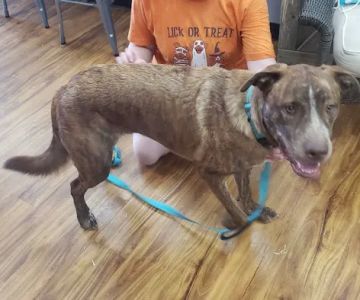
2. Short-Haired Pets: Less Is More
Short-haired dogs and cats, such as Beagles, Boxers, or Domestic Shorthairs, generally have a self-maintaining coat. These pets produce natural oils that protect the skin and shouldn’t be stripped too frequently.
For most short-haired pets:
- Bathe once every 8 to 12 weeks
- Brush weekly to remove loose hairs and stimulate the skin
- Spot clean dirty areas between baths
Overbathing can dry their skin, leading to itchiness and flaking. One owner shared how her French Bulldog developed allergies from bi-weekly bathing—a lesson in less being more.

3. Medium to Long-Coated Breeds Require Balanced Care
Breeds like Golden Retrievers, Shelties, and Persian cats need a bit more attention. Their longer fur traps dirt more easily and can mat if left untreated.
Bathing tips:
- Plan a bath every 4 to 6 weeks
- Brush several times a week to prevent tangles
- Use a moisturizing shampoo to protect the coat
Owners often forget how easily long-haired pets can collect allergens, dander, or debris. Consistent care helps reduce odor and keeps them comfortable.
4. Double-Coated Breeds: Seasonal Strategies
Double-coated breeds like Huskies, Akitas, and German Shepherds have an insulating undercoat and a top layer. Bathing these pets too often can disrupt their coat’s natural function.
Best practice:
- Limit baths to 3–4 times per year unless they get very dirty
- Brush during seasonal shedding (spring and fall) to reduce matting
- Use a de-shedding tool and conditioner when bathing
These coats naturally repel dirt, so dry brushing and targeted grooming are often more effective than frequent washes.
5. Curly or Wooly-Coated Pets Need Frequent Grooming
Poodles, Bichon Frises, and Doodles fall into this group. Their fur grows continuously, doesn’t shed much, and can mat quickly without proper care.
Routine tips:
- Bathe every 3 to 4 weeks
- Professional grooming recommended every 6–8 weeks
- Daily brushing prevents painful knots and tangles
One Labradoodle owner on a pet forum shared how skipping just two weeks of brushing led to a $150 grooming emergency. A gentle, proactive routine makes a big difference.
6. Hairless or Low-Fur Breeds Require Unique Attention
Breeds like the Chinese Crested or Sphynx may lack a traditional coat, but they still require routine bathing to manage body oil buildup.
Recommendations:
- Bathe every 1 to 2 weeks
- Use hypoallergenic shampoos to avoid irritation
- Protect their skin from sun exposure and dry air
Because their skin is fully exposed, even small changes in environment or hygiene can lead to blemishes or infection. Regular baths are a must, not an option.
7. Real Pet Owner Stories and Mistakes to Avoid
Jennifer, a Maine Coon cat owner in Colorado, assumed cats didn’t need baths. But when her cat developed dandruff and odor issues, a vet visit revealed impacted oils and skin irritation. After adjusting to a once-a-month bath schedule and gentle brushing, the difference was night and day.
Mark, a new dog owner, bathed his Lab mix weekly with harsh shampoo. The result? Dry patches, flaking, and increased scratching. A consultation with a groomer and switch to a monthly routine with oatmeal-based shampoo helped restore his pup’s skin balance.
Stories like these remind us that good intentions don’t always lead to good outcomes—but learning does.
8. Getting Professional Help When You Need It
Not sure if you're overbathing or underbathing your pet? A quick visit to your vet or groomer can clear up any confusion. They can assess skin health, recommend products, and help you build a coat-specific grooming plan.
At Hidden Brook Veterinary, professionals understand that pets are family—and your care routine should reflect that. Whether you're dealing with itchy skin, a stubborn odor, or just don’t know where to start, expert guidance ensures your pet feels their best.
Remember: bathing isn’t about vanity—it’s about health, comfort, and connection. With the right strategy and a little expert advice, your pet’s grooming routine can become a source of pride and bonding.