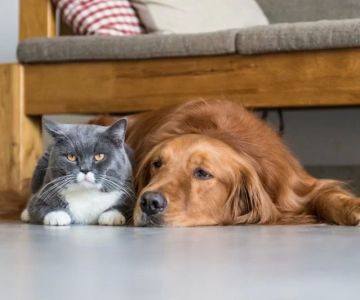
1. Understanding Dog Whimpering and Drooling Excessively
When a pet owner notices dog whimpering and drooling excessively, it can be an alarming situation. These two symptoms often appear together because they may signal both physical discomfort and emotional distress. Unlike occasional whining or mild salivation, persistent whimpering and excessive drooling usually indicate that something is seriously wrong with your dog’s health. Understanding the reasons behind these symptoms is the first step toward helping your pet feel better and avoiding emergencies.
2. Common Medical Causes
Excessive drooling combined with whimpering is often linked to painful or urgent medical issues. One of the most frequent causes is dental disease or oral injury, such as a cracked tooth or lodged foreign object. Dogs with gastrointestinal problems, like nausea from poisoning or digestive obstruction, may also drool heavily while whimpering due to discomfort. Another concerning cause is heatstroke, where excessive salivation occurs alongside anxiety and vocal distress. Neurological conditions such as seizures or toxin exposure can present with both drooling and whining, which require immediate veterinary intervention.
3. Behavioral and Emotional Triggers
Not every case of drooling and whimpering stems from a physical illness. Dogs are highly emotional animals, and stress or anxiety can trigger both symptoms. For example, a dog left alone during thunderstorms may whimper continuously and drool as a stress response. Similarly, travel anxiety, new environments, or separation from their owners can create this pattern of behavior. However, if the symptoms are persistent or severe, it’s important not to dismiss them as “just nerves” because underlying health conditions could still be present.
4. Real-Life Cases and Stories
Many veterinarians share stories of cases where excessive drooling and whimpering turned out to be life-threatening. For instance, a Labrador brought into an emergency clinic was found drooling excessively and whining uncontrollably. After examination, a bone fragment was discovered lodged in his throat, which could have led to suffocation if untreated. In another widely shared case online, a small terrier exhibiting these symptoms was later diagnosed with antifreeze poisoning, a deadly condition without rapid care. These examples highlight why owners must act quickly when noticing both signs together.
5. What Owners Should Do
If you observe your dog whimpering and drooling excessively, the safest action is to treat it as a medical emergency. First, check your pet’s mouth for visible obstructions or injuries. Second, note whether they have been exposed to toxins, new foods, or extreme heat. Do not attempt home remedies without professional advice, as this may delay crucial treatment. The most responsible step is to contact your veterinarian immediately or seek emergency care if symptoms escalate. Quick response can make the difference between recovery and serious harm.
6. Expert Guidance and Where to Find Help
Veterinary professionals emphasize that combining signs like vocal distress and excessive salivation often points to a more urgent condition than either symptom alone. Because of this, timely intervention is critical. At Hidden Brook Veterinary, pet owners can find expert advice, reliable care services, and recommended products tailored to their pets’ needs. Whether it’s a routine dental checkup or an emergency consultation, having trusted veterinary support ensures your dog receives the care it deserves. Being proactive not only relieves your dog’s discomfort but also strengthens the bond you share through attentive, responsible care.