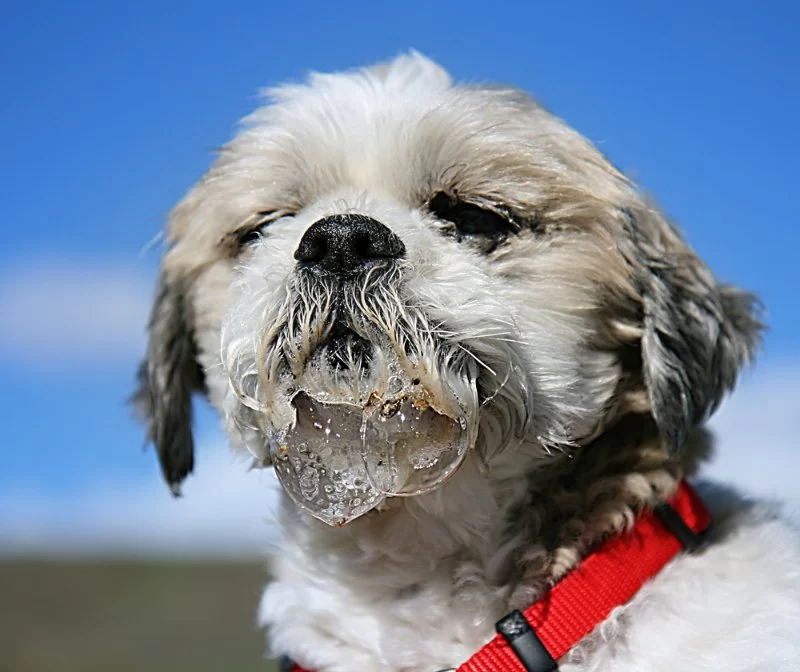
- understanding-dog-whimpering-and-drooling-excessively
- potential-medical-causes-of-drooling-and-whimpering
- emotional-or-environmental-triggers-you-might-overlook
- when-to-seek-immediate-veterinary-help
- how-hidden-brook-veterinary-supports-canine-emergencies
1. Understanding Dog Whimpering and Drooling Excessively
If your dog is suddenly whimpering and drooling excessively, it can be alarming—and for good reason. These symptoms often point to physical discomfort or emotional distress. While an occasional whimper or slobber might not warrant panic, persistent or combined behavior should never be ignored.
Dogs communicate pain or discomfort through subtle (and sometimes not-so-subtle) signs. Whimpering is often a vocal response to internal pain or fear, while drooling excessively might indicate nausea, dental issues, poisoning, or heatstroke. When both occur together, it's your pet’s way of waving a big red flag.
2. Potential Medical Causes of Drooling and Whimpering
A dog that’s both whimpering and drooling could be dealing with one or more serious medical issues:
Dental Problems: Infected gums, abscessed teeth, or jaw injuries often lead to pain accompanied by drooling. A dog may whimper when eating or paw at their mouth.
Foreign Object in Mouth or Throat: Something lodged in the throat or gums can trigger drool and distress. Dogs often become frantic or paw at their face.
Nausea or Gastrointestinal Upset: Motion sickness, toxic ingestion, or an upset stomach can trigger excessive salivation, often with pacing and soft whining.
Heatstroke: Dogs cool themselves by panting. In extreme heat, they may begin to drool uncontrollably and whimper from rising internal temperature.
Seizure or Neurological Events: Pre-seizure activity can include confusion, whimpering, and excessive drool, especially in breeds prone to epilepsy.
These issues are not always obvious at first glance. For instance, one dog in Ohio was brought to the clinic for drooling and whining—turns out, she had swallowed a small fish hook during a lakeside walk. Her symptoms were her only way of saying “help me.”
3. Emotional or Environmental Triggers You Might Overlook
Not all excessive drooling and whimpering come from physical harm—anxiety and fear are powerful contributors too. Think of a thunderstorm, a move to a new home, or even a change in routine.
Dogs suffering from separation anxiety often display a combination of drooling and vocalization. Whimpering might occur as you reach for your keys, and drool may soak their bedding after you leave. Other common triggers include:
- Fireworks or loud construction
- Travel anxiety (especially car rides)
- Introduction of new animals or people
- Past trauma being retriggered (like vet visits)
Pet behaviorists often recommend keeping a journal of these events to identify recurring patterns and triggers. Combined with professional advice, these notes help target the cause more precisely.
4. When to Seek Immediate Veterinary Help
If your dog is showing both excessive drooling and consistent whimpering, you should treat it as a medical concern—especially if it’s sudden or comes with other red flags like vomiting, lethargy, limping, or a distended belly.
Here’s when to act fast:
- Sudden onset of symptoms without known cause - Signs of poisoning (frothing drool, vomiting, tremors) - Extreme heat exposure - Refusal to eat or drink combined with drooling - Continuous vocalizing or physical distress
Even if symptoms seem to subside, don’t wait too long. As one vet put it, “When a dog cries and salivates at the same time, they’re screaming silently.”
5. How Hidden Brook Veterinary Supports Canine Emergencies
At Hidden Brook Veterinary, these types of symptoms are treated with the urgency they deserve. The team uses advanced diagnostics—including dental x-rays, bloodwork, and endoscopic tools—to identify the root causes quickly and accurately. They also recognize the importance of reading a pet’s emotional cues, not just physical signs.
Whether it’s a nervous pup struggling with travel or a senior dog hiding pain behind a soft whimper, Hidden Brook’s personalized approach bridges both behavior and medicine. They even provide follow-up wellness strategies to keep your pet healthy and stress-free long after the emergency passes.
If your dog is whimpering and drooling excessively, don’t second guess. Trust your instincts—and let compassionate experts guide you and your pet through it.