- 1. Understanding Dog Whimpering and Drooling Excessively
- 2. Common Causes of Excessive Whimpering and Drooling in Dogs
- 3. What to Do If Your Dog Is Whimpering and Drooling
- 4. When to Seek Veterinary Help for Whimpering and Drooling
- 5. Prevention and Care Tips for Dogs
1. Understanding Dog Whimpering and Drooling Excessively
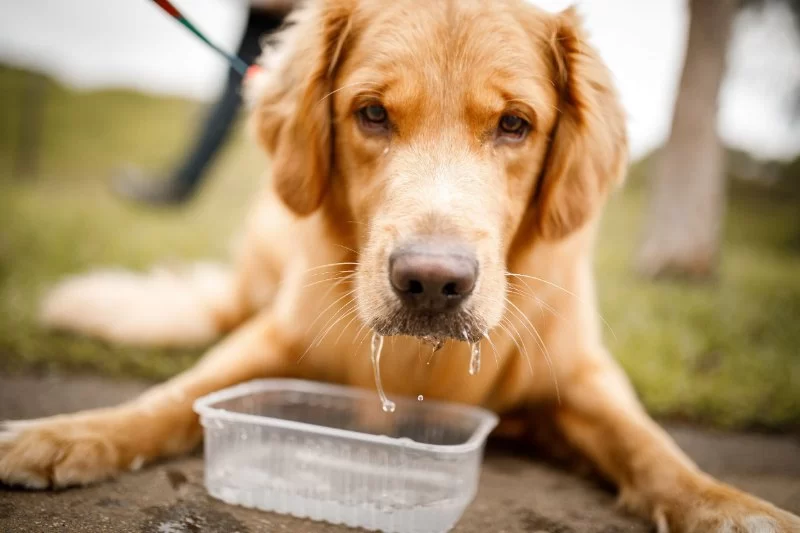
As a dog owner, it’s important to understand that excessive whimpering and drooling are not always normal behaviors. While dogs do drool and whimper from time to time, it’s crucial to pay attention if these behaviors become more frequent or severe. Excessive drooling and whimpering can indicate a range of health issues, from something as simple as anxiety to more serious conditions such as poisoning or dental problems.
In this article, we’ll explore the potential causes of these symptoms and what steps you can take to address them. If your dog is exhibiting these behaviors, it’s essential to understand the underlying causes so you can provide the appropriate care and seek professional help when necessary.
2. Common Causes of Excessive Whimpering and Drooling in Dogs
There are several possible reasons your dog may be whimpering and drooling excessively. Some of these causes are harmless, while others may require immediate veterinary attention. Here are a few common causes:
- Anxiety or Stress: Dogs may drool and whimper when they are anxious or stressed. This can happen during thunderstorms, car rides, or when they are separated from their owners. These behaviors are often accompanied by panting, pacing, and an inability to relax.
- Gastrointestinal Issues: Dogs experiencing nausea, stomach upset, or digestive issues can drool excessively. This could be due to motion sickness, eating something that doesn’t sit well, or even a more serious condition like pancreatitis.
- Dental Problems: Issues such as gum disease, abscessed teeth, or oral infections can cause drooling and whimpering. Your dog may be in pain, and the drooling could be a sign of oral discomfort.
- Poisoning: Drooling and whimpering can be symptoms of poisoning. If your dog ingests something toxic, such as certain plants, chemicals, or foods like chocolate, they may exhibit these signs. Prompt attention from a veterinarian is necessary in these cases.
- Heatstroke: Excessive drooling and whimpering can also be signs of heatstroke, which occurs when a dog’s body temperature becomes dangerously high. If your dog is exposed to extreme heat, they may start to drool and whimper as a way of signaling distress.
3. What to Do If Your Dog Is Whimpering and Drooling
If you notice your dog whimpering and drooling excessively, it’s important to take immediate action. Here are some steps you can take to help your dog:
- Calm Your Dog: If your dog is experiencing anxiety or stress, try to provide a calm, quiet environment. Offer comforting words and, if possible, create a safe space for your dog to retreat to. Distraction with toys or treats can sometimes help ease anxiety.
- Check for Dental Issues: Gently inspect your dog’s mouth for any visible signs of dental problems, such as broken teeth or swelling. If you notice any issues, it’s important to schedule a veterinary appointment for a thorough examination and possible treatment.
- Provide Hydration: If your dog is drooling excessively due to heatstroke, be sure to offer fresh water and keep them cool by moving them to a shaded area. Avoid vigorous exercise and ensure your dog is well-hydrated.
- Monitor for Signs of Poisoning: If you suspect your dog has ingested something toxic, try to determine what they may have eaten and contact your veterinarian immediately. Don’t wait for symptoms to worsen.
4. When to Seek Veterinary Help for Whimpering and Drooling
In many cases, excessive whimpering and drooling can be managed at home with some adjustments, but there are times when it’s essential to seek veterinary help. You should contact a veterinarian if:
- Your dog’s drooling and whimpering are accompanied by other concerning symptoms, such as vomiting, diarrhea, lethargy, or difficulty breathing.
- You suspect your dog may have ingested something toxic or harmful.
- Your dog’s symptoms persist for more than 24 hours, or they seem to be worsening over time.
- Your dog seems to be in extreme pain or distress.
In these cases, a veterinarian can help diagnose the underlying cause of the symptoms and provide the appropriate treatment to relieve your dog’s discomfort.
5. Prevention and Care Tips for Dogs
While not all instances of whimpering and drooling can be prevented, there are a few things you can do to reduce the likelihood of these behaviors occurring in the future:
- Regular Check-ups: Ensure your dog receives regular veterinary check-ups to monitor their health and catch potential issues early, especially when it comes to dental and gastrointestinal health.
- Maintain a Calm Environment: Reducing stress and anxiety in your dog can help prevent anxiety-induced whimpering and drooling. Consider using calming products, such as pheromone diffusers or anxiety wraps, to help ease your dog’s nervousness.
- Safe and Comfortable Spaces: Provide your dog with a comfortable and safe environment, free from hazardous chemicals or plants that could be toxic.
- Proper Hydration and Exercise: Keep your dog well-hydrated and ensure they get regular, appropriate exercise to prevent heatstroke and digestive issues.
If you notice that your dog is experiencing any signs of excessive whimpering or drooling, it’s always a good idea to consult with a veterinarian for professional advice. At Hidden Brook Veterinary, we can help you address these symptoms and ensure your dog receives the best care possible.