
- understanding-dog-tail-wagging-body-language
- why-dog-tail-wagging-does-not-always-mean-happiness
- decoding-tail-wagging-types-and-directions
- real-case-my-dog-was-wagging-but-wasnt-happy
- what-to-do-if-youre-concerned
1. Understanding Dog Tail Wagging and Body Language
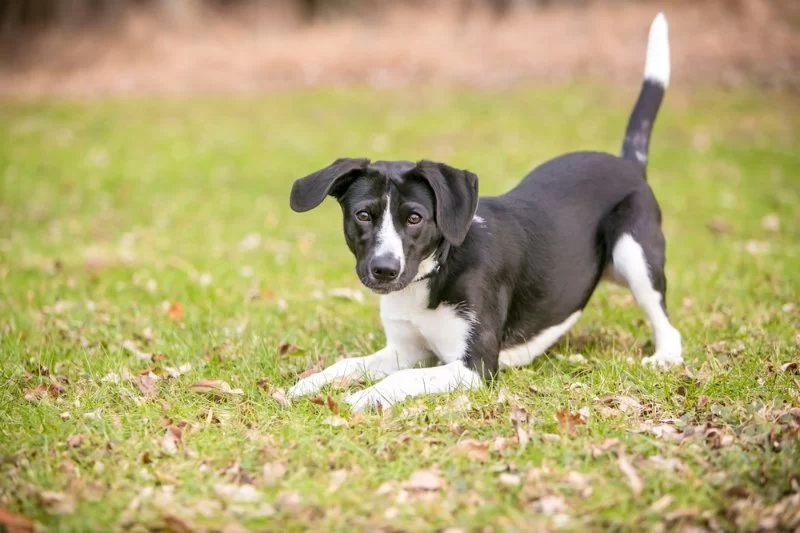
It’s easy to assume that a wagging tail equals a happy dog. But like any language, canine communication is nuanced. Tail wagging is just one part of a complex body language system. Dogs express their emotions through posture, facial tension, ear position, and vocalizations, and misunderstanding those signs could lead to unnecessary confusion or even a bite.
Dog trainers and veterinarians often point out that it’s not the tail movement alone—but how, where, and when it happens—that tells the real story.

2. Why “Dog Tail Wagging” Does Not Always Mean Happiness
The phrase dog tail wagging but not happy is more common than you might think. Some tail wags can indicate stress, uncertainty, or even agitation. A wagging tail during a vet visit or when meeting a new dog isn’t always a sign of comfort.
In fact, tail wagging can sometimes be a dog's way of bracing or preparing. For example, when a dog slowly wags with a stiff body and high-held tail, they might be on alert or feeling threatened. This can escalate quickly if not recognized.

3. Decoding Tail Wagging Types and Directions
3.1 High, Stiff Wag
A high-held tail with slow, stiff movements usually signals dominance or potential aggression. It’s a sign that the dog is assessing a situation carefully, not expressing joy.
3.2 Low or Tucked Wag
A tail that’s wagging but tucked low under the body may indicate fear or submission. The wag is not joyful—it’s appeasing behavior meant to avoid conflict.
3.3 Mid-Level, Loose Wag
This is the classic “happy dog” wag—relaxed, loose, sometimes accompanied by a wiggly body. In context (like playtime or a joyful reunion), this truly shows contentment.
3.4 Left vs. Right Tail Bias
Interestingly, studies have shown that dogs wag their tails slightly more to the right when they feel positive and to the left when they feel anxious or unsure. So the direction matters.
4. Real Case: “My Dog Was Wagging—But Wasn’t Happy”
One dog parent, Lauren from Asheville, noticed her Labrador wagging his tail when meeting a neighbor’s dog. But instead of playing, he stiffened, growled, and lunged. The vet at Hidden Brook Veterinary later explained that the tail movement was a stress signal—he was unsure and tense, not joyful. With better socialization and training, his tail wagging now genuinely matches his emotions.
5. What To Do If You're Concerned
If you’re seeing your dog’s tail wagging but they’re not happy, pay attention to the bigger picture. Look at their eyes, ears, posture, and behavior. Is their mouth tight or relaxed? Are they leaning forward or back? Vocalizing?
In many cases, what looks like a happy tail is actually a warning—or a cry for space. If you’re unsure, schedule a behavior consultation or check in with your vet. Hidden Brook Veterinary offers expert behavioral guidance and can help decode your dog’s body language to prevent misunderstandings.
Your dog wants to communicate with you. Learning their language is one of the greatest gifts you can offer in return.








