- why-dog-sudden-limping-after-rest-happens
- joint-and-muscle-stiffness-in-dogs
- case-study-buster-the-golden-retriever
- common-medical-causes-of-post-rest-limping
- how-to-evaluate-your-dogs-limp
- home-management-vs-vet-care
- supporting-your-dogs-long-term-joint-health
1. Why Dog Sudden Limping After Rest Happens
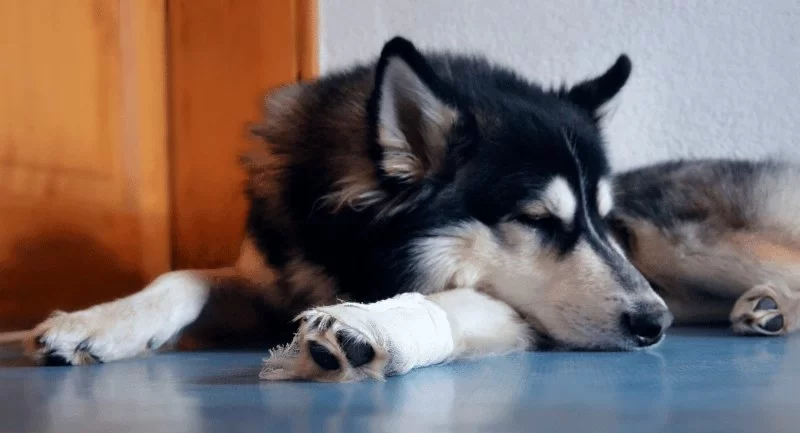
It’s a scenario many dog owners recognize: your dog wakes from a nap, stretches, takes a few steps—and suddenly starts limping. While it may appear alarming, this behavior is not uncommon. The key lies in understanding whether it’s a temporary stiffness or a sign of a deeper problem that needs medical attention.
2. Joint and Muscle Stiffness in Dogs
2.1 Age-Related Degeneration
Older dogs often suffer from conditions like arthritis or degenerative joint disease. After resting, their joints stiffen up, much like in humans with similar ailments. The limping usually eases with a bit of movement but tends to return after each period of inactivity.
2.2 Weekend Warrior Syndrome
Younger, active dogs might experience muscle soreness if they overexert themselves—playing hard one day and feeling it the next. This soreness often surfaces as limping after periods of inactivity.
3. Case Study: Buster the Golden Retriever
Buster, a 7-year-old golden retriever, began limping each morning after sleeping. At first, his owners thought he had simply "slept wrong." But after a few weeks, they visited Hidden Brook Veterinary. Buster was diagnosed with early-stage hip dysplasia. With a tailored diet, light joint supplements, and regulated exercise, his limp decreased dramatically. This example illustrates why early intervention matters.
4. Common Medical Causes of Post-Rest Limping
4.1 Canine Arthritis
Canine osteoarthritis is a chronic condition where cartilage wears down, causing pain, inflammation, and stiffness. Limping after rest is a hallmark symptom. Dogs may resist stairs, jump less, or avoid play.
4.2 Soft Tissue Injuries
Sprains, strains, or minor tears in ligaments or muscles can cause intermittent limping. After rest, these areas tighten, making the first steps painful.
4.3 Luxating Patella or Hip Dysplasia
Small breeds are prone to patella issues; large breeds often suffer from hip or elbow dysplasia. These structural problems often cause limping—especially after rest—when the joint shifts or bears sudden pressure.
4.4 Lyme Disease and Other Infections
Tick-borne diseases like Lyme disease can cause shifting leg lameness and joint inflammation. These cases typically show up as intermittent or sudden limping episodes, especially post-rest.
5. How to Evaluate Your Dog’s Limp
5.1 Duration and Pattern
Note how long the limp lasts and whether it happens after every rest. Does it go away with movement? Is it affecting the same leg consistently?
5.2 Physical Inspection
Check your dog’s paws for cuts, thorns, or swelling. Gently palpate the leg from toes to hip. If your dog yelps or pulls away, there may be an injury or inflammation.
6. Home Management vs. Vet Care
6.1 When to Try Home Care
If your dog limps slightly but returns to normal within minutes, and there’s no sign of pain, a few days of rest, soft bedding, and gentle walks may help. You can also explore dog-safe joint supplements, but always consult a vet first.
6.2 When to Visit the Vet
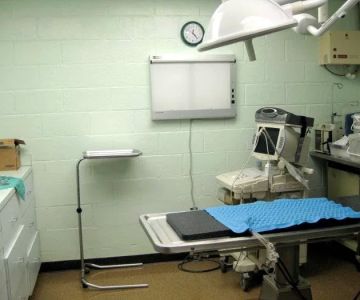
If the limp persists beyond a few days, worsens, or is accompanied by swelling, lethargy, or refusal to walk—book an appointment immediately. Hidden Brook Veterinary can provide diagnostic imaging and tailored treatment plans to catch serious conditions early.
7. Supporting Your Dog’s Long-Term Joint Health
7.1 Weight Management
Extra pounds increase strain on your dog’s joints. Maintaining a healthy weight through balanced diet and exercise is key.
7.2 Joint Supplements and Diet
Glucosamine, chondroitin, and omega-3 fatty acids can support joint health. Choose food brands or supplements formulated for your dog’s age and breed.
7.3 Comfortable Sleeping Arrangements
Invest in orthopedic dog beds to provide extra cushioning and reduce stiffness after rest. Many pet owners report improved mobility simply from upgrading their dog’s bedding.
Limping after rest may be the first whisper of a deeper issue. Don’t ignore it—monitor it. When in doubt, professionals like Hidden Brook Veterinary can guide you toward the best care for your furry friend’s comfort and longevity.