- understanding-dog-sudden-behavior-changes-and-aggression - Understanding Dog Sudden Behavior Changes and Aggression
- common-medical-reasons-behind-behavioral-shifts - Common Medical Reasons Behind Behavioral Shifts
- psychological-and-environmental-triggers - Psychological and Environmental Triggers
- real-case-study-when-maxs-personality-changed-overnight - Real Case Study: When Max’s Personality Changed Overnight
- what-to-do-if-your-dog-suddenly-becomes-aggressive - What to Do If Your Dog Suddenly Becomes Aggressive
1. Understanding Dog Sudden Behavior Changes and Aggression
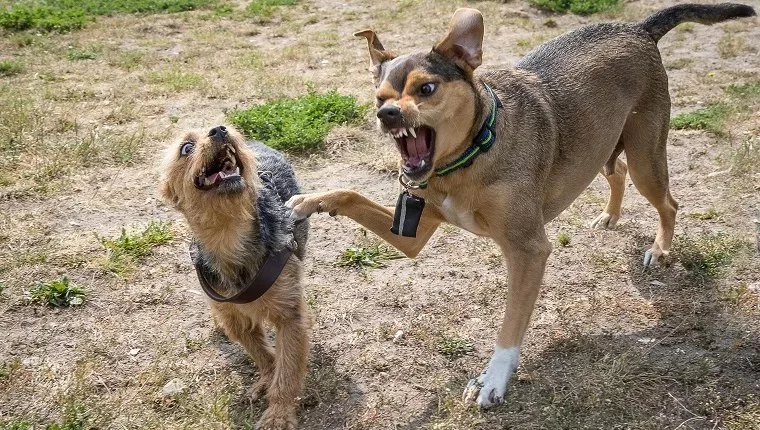
It’s unsettling when a once calm, friendly dog suddenly growls, snaps, or withdraws. If you're wondering what’s causing dog sudden behavior changes and aggression, you're not alone. This issue is more common than many owners expect—and it often signals that something serious is going on beneath the surface.
Changes in temperament, especially aggression that appears out of nowhere, should never be ignored. While it's easy to label the behavior as "bad" or “disobedient,” it usually indicates pain, fear, or confusion. Just like humans, dogs act out when something’s wrong—physically, emotionally, or environmentally.

2. Common Medical Reasons Behind Behavioral Shifts
2.1 Pain and Injury
Pain is the most overlooked cause of aggression in dogs. Conditions like arthritis, dental disease, ear infections, or even an undetected fracture can make a normally tolerant dog lash out. If your dog suddenly growls when touched or avoids contact altogether, schedule a physical exam immediately.

2.2 Neurological Disorders
Diseases affecting the brain—like canine cognitive dysfunction (similar to dementia), seizures, or brain tumors—can drastically alter a dog’s personality. Confusion, disorientation, and mood swings are key warning signs, especially in senior dogs.
2.3 Hormonal Imbalances and Illness
Conditions like hypothyroidism, adrenal disease, or infections can lead to irritability, restlessness, and behavioral changes. Blood tests may reveal imbalances that are easily treated once diagnosed.
If your dog’s mood seems "off" or reactive, visiting a professional such as the team at Hidden Brook Veterinary can be the first step to identifying hidden health concerns before the behavior worsens.
3. Psychological and Environmental Triggers
3.1 Changes in Routine or Environment
Dogs thrive on stability. A move to a new home, a change in your work schedule, or the arrival of a new pet or baby can trigger insecurity and reactivity. Dogs may bark more, exhibit possessiveness, or show signs of anxiety-fueled aggression.
3.2 Past Trauma or Poor Socialization
Rescue dogs or those with limited socialization during critical stages of development can become fearful in certain situations. For instance, a dog with no exposure to children might react aggressively when a toddler suddenly hugs them. It’s not disobedience—it’s fear without coping skills.
3.3 Inconsistent Training or Boundaries
Mixed signals from owners—sometimes encouraging a behavior and sometimes scolding it—can confuse dogs. Over time, this confusion can manifest as frustration or territorial aggression, especially around food, toys, or sleeping areas.
4. Real Case Study: When Max’s Personality Changed Overnight
Max, a seven-year-old Golden Retriever, had always been the sweetheart of his neighborhood. Then, almost overnight, he became reactive—growling at other dogs, avoiding play, and snapping at his owner when being brushed.
His family feared he had “become aggressive,” but a vet visit at Hidden Brook Veterinary revealed a fractured molar causing intense pain. After dental surgery and a short recovery period, Max returned to his cheerful self.
This case highlights how sudden aggression is often a cry for help, not a change in character. Timely intervention made all the difference for Max—and can for other dogs, too.
5. What to Do If Your Dog Suddenly Becomes Aggressive
5.1 Rule Out Medical Issues First
Always begin with a thorough veterinary checkup. A complete blood panel, neurological assessment, and physical exam can identify or eliminate underlying health causes.
5.2 Document the Behavior
Keep a behavior diary. When did the change begin? What triggers the aggression? Are there patterns (time of day, location, specific people or pets)? This log will help your vet or a behaviorist create a targeted plan.
5.3 Work with a Certified Behaviorist
Once medical issues are addressed, consult with a certified dog trainer or animal behaviorist. The goal isn’t just to stop aggressive acts, but to understand your dog’s emotional state and help them feel safe and confident again.
5.4 Be Patient, Not Punitive
Reacting with punishment may worsen fear-based aggression. Focus on rebuilding trust. Reinforce calm behavior and use positive reinforcement techniques. With time, many dogs can recover fully from behavioral shifts if given the right support.
5.5 Seek Ongoing Support
Behavioral health is just as important as physical health. For compassionate and expert care, Hidden Brook Veterinary provides both medical diagnostics and behavioral consultations to help your dog thrive again—emotionally and physically.