- #understanding-common-dog-skin-rash-causes
- #environmental-and-allergic-triggers-in-dogs
- #parasitic-infestations-and-how-they-affect-skin
- #when-skin-rashes-indicate-deeper-health-issues
- #safe-and-effective-treatment-for-dog-skin-rashes
- #preventative-tips-for-future-skin-protection
1. Understanding Common Dog Skin Rash Causes
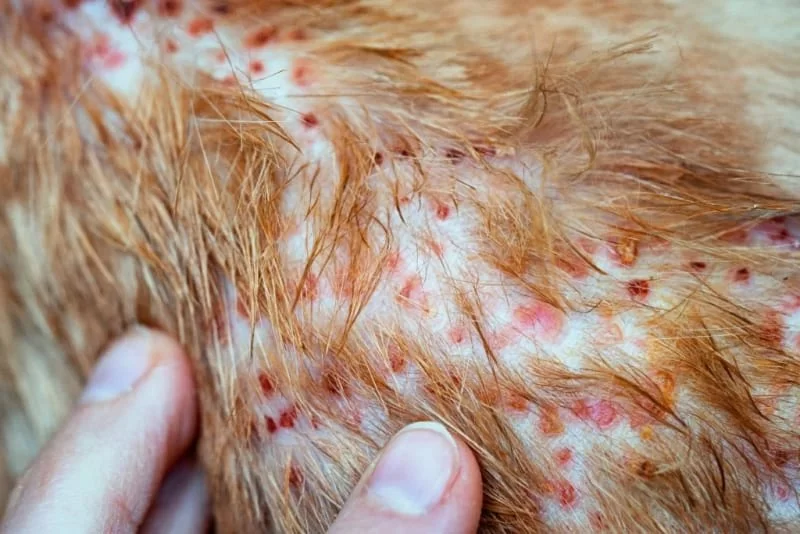
Dog skin rash is a frequent concern among pet owners, especially when it appears suddenly and spreads rapidly. From red patches and bumps to itchy, irritated skin, symptoms can vary depending on the underlying cause. The first step to treating your dog’s skin rash is understanding where it originates.
One common example is contact dermatitis—an inflammation caused when dogs come in contact with certain substances like grass, chemicals, or even new laundry detergents. If your dog spends a lot of time outdoors, especially during seasonal changes, it’s not unusual to see a rash appear on their belly, paws, or chin after exposure.
In a recent case shared by Hidden Brook Veterinary, a Labrador retriever developed a rash after rolling in a recently fertilized lawn. Diagnosis confirmed chemical irritation, and with proper care, the dog recovered within a week.

1225 Warren Ave, Downers Grove, IL 60515, USA
See Details2. Environmental and Allergic Triggers in Dogs
Allergies are one of the leading causes of skin rashes in dogs. These can be seasonal (pollen), food-based (chicken, wheat, dairy), or environmental (dust mites, mold, flea saliva). Allergic reactions often manifest through itching, redness, flaky skin, and excessive licking or chewing.
Veterinarians often perform elimination diets to pinpoint food allergens. In one real case, a Shih Tzu suffered recurring rashes and was diagnosed with a poultry protein allergy. Switching to a fish-based diet significantly improved the dog’s skin condition within two weeks.
If your dog’s skin rash coincides with specific times of year or household changes (like a new carpet or cleaning product), consult your vet about allergy testing. Antihistamines, diet changes, and hypoallergenic shampoos can often manage symptoms effectively.

VCA Arboretum View Animal Hospital, 2551 Warrenville Rd, Downers Grove, IL 60515, USA
See Details3. Parasitic Infestations and How They Affect Skin
Parasites such as fleas, ticks, mites, and lice are common culprits behind canine skin rashes. Flea allergy dermatitis, for example, causes intense itching and inflamed skin. Even a single flea bite can cause a dramatic skin reaction in sensitive dogs.
Mange, caused by mites like Demodex or Sarcoptes, results in hair loss, red bumps, and scaly skin. This condition is contagious and must be treated promptly. Hidden Brook Veterinary treated a shelter pup with severe Sarcoptic mange. After six weeks of medical baths and oral treatment, the dog’s coat was fully restored.
Regular parasite prevention—monthly flea/tick meds, clean bedding, and prompt removal of ticks—is critical in reducing the chances of these infestations. Your vet can recommend the safest preventive solutions based on your dog’s lifestyle.
4. When Skin Rashes Indicate Deeper Health Issues
Sometimes a skin rash isn't just skin deep. Autoimmune diseases, hormone imbalances, or bacterial/fungal infections can also cause skin symptoms in dogs. For instance, hypothyroidism often leads to thinning fur, flaky skin, and pigmentation changes, sometimes mistaken for a basic rash.
If your dog’s rash doesn’t improve with surface-level treatments or spreads rapidly, deeper diagnostics are necessary. Blood tests, biopsies, or skin scrapings help determine the underlying condition. A French Bulldog examined at Hidden Brook Veterinary was ultimately diagnosed with lupus, an autoimmune disease that required specialized medication and monitoring.
This is why it’s essential not to self-diagnose complex rashes or delay vet consultation. Skin conditions can worsen or become chronic without accurate treatment.
5. Safe and Effective Treatment for Dog Skin Rashes
Treating a dog’s skin rash effectively starts with proper identification. Depending on the cause, treatments can include:
- Topical creams and sprays with corticosteroids
- Medicated shampoos (antifungal or antibacterial)
- Antibiotics for bacterial infections
- Anti-parasitic medications
- Dietary changes or supplements (like omega-3s)
Home remedies, such as diluted apple cider vinegar or oatmeal baths, may offer temporary relief but should never replace medical evaluation. Avoid using over-the-counter human creams or essential oils unless approved by your vet.
Consulting professionals like those at Hidden Brook Veterinary ensures that treatment is both safe and effective, minimizing the risk of complications or worsening symptoms.
6. Preventative Tips for Future Skin Protection
Preventing dog skin rash involves a combination of good hygiene, environmental control, and regular vet care. Here are actionable steps to protect your pup’s skin:
- Bathe your dog with gentle, vet-recommended shampoos
- Keep their bedding clean and washed with fragrance-free detergents
- Use flea and tick prevention year-round
- Monitor dietary reactions and consult your vet on food ingredients
- Limit exposure to potential irritants like fertilizer-treated lawns or harsh cleaning products
Regular vet check-ups help catch potential issues before they escalate. If your dog has recurring skin problems, building a long-term care plan with a veterinary professional is crucial. Clinics like Hidden Brook Veterinary specialize in dermatological evaluations and ongoing treatment plans tailored to your dog’s individual needs.