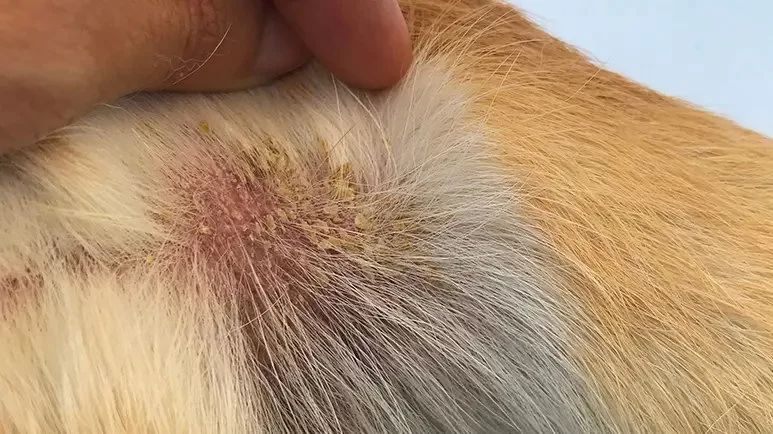
- common-causes-of-dog-skin-rashes
- how-to-recognize-skin-rashes-in-dogs
- real-case-skin-allergy-or-something-more
- effective-home-and-vet-approved-treatments
- when-to-visit-a-veterinarian-for-skin-issues
1. Common Causes of Dog Skin Rashes
The phrase dog skin rash causes and treatment is one of the most searched topics among pet parents—understandably so. Rashes can appear suddenly, and the reasons vary from harmless irritants to serious infections. Some of the most common causes include:
- Allergies: Food, pollen, dust mites, or flea bites can trigger allergic reactions. - Parasites: Fleas, ticks, and mites irritate the skin and lead to intense scratching. - Fungal/Bacterial infections: These may develop in moist, warm skin folds, especially in breeds like Bulldogs or Pugs. - Contact Dermatitis: Reaction to shampoo, detergents, or lawn chemicals.

2. How to Recognize Skin Rashes in Dogs
Rashes aren't always obvious. It’s not just about redness. Dogs may show signs like:
- Persistent scratching or licking - Scabs or crusts on the skin - Patches of hair loss - Bumps, pustules, or hives - Odor or excessive oiliness on the skin
If you spot any of these symptoms, it’s worth investigating further. Mild rashes may clear up on their own, but deeper inflammation usually means there’s a bigger issue at hand.

3. Real Case: Skin Allergy or Something More?
Bella, a three-year-old Labrador from Houston, came to Hidden Brook Veterinary after weeks of chewing at her paws and belly. At first, her owners thought it was just seasonal allergies. But after a skin scraping, vets found a mix of yeast overgrowth and a flea allergy. Treatment included a medicated bath, anti-fungal cream, and a new flea prevention routine. Within two weeks, Bella’s rash cleared—and her owners learned the hard way that symptoms often point to more than one cause.
4. Effective Home and Vet-Approved Treatments
Depending on the severity of the rash, treatment varies. For mild issues, home remedies can help ease discomfort:
- Oatmeal baths: Naturally soothes inflamed skin. - Coconut oil: Antibacterial and moisturizing when applied in small amounts. - Aloe vera: Helps with itching but must be pet-safe (no latex component).
For more persistent or infected rashes, your vet may recommend:
- Antibiotics or antifungal medications - Anti-itch sprays or hydrocortisone creams - Allergy testing or diet trials
At Hidden Brook Veterinary, veterinarians customize treatment plans based on the underlying issue—be it environmental, parasitic, or internal.
5. When to Visit a Veterinarian for Skin Issues
If your dog’s rash spreads quickly, causes pain, or doesn’t improve within a few days of home treatment, it’s time to visit a professional. Delaying treatment can lead to skin infections or even behavioral issues due to constant discomfort.
Persistent skin problems may be a symptom of a larger internal issue—like hypothyroidism or an autoimmune condition. That’s why routine checkups and early intervention are key.
Whether it’s a mystery rash or chronic itch, the expert team at Hidden Brook Veterinary can offer personalized solutions and diagnostics to get your dog’s skin back to healthy, tail-wagging shape.