- 1 - Understanding Dog Shaking and Nose Licking
- 2 - Possible Medical Causes Behind the Behavior
- 3 - Environmental and Allergic Triggers in Dogs
- 4 - Risks of Ignoring Constant Nose Licking and Shaking
- 5 - Case Study: A Dog with Nasal Irritation
- 6 - Treatment Options and Relief Strategies
- 7 - Prevention and Long-Term Care for Healthy Breathing
- 8 - Professional Support at Hidden Brook Veterinary
Understanding Dog Shaking and Nose Licking
It’s normal for dogs to occasionally lick their noses to keep them moist, but when nose licking becomes constant and is paired with head shaking, it could be a sign of discomfort or an underlying health issue. This repetitive behavior often indicates irritation in the nasal passages, pain, or even a foreign object stuck inside. Observing when and how frequently your dog shakes and licks can help pinpoint the cause.
Possible Medical Causes Behind the Behavior
Several medical issues can cause a dog to start shaking and licking its nose excessively. Nasal infections, dental problems, and sinus inflammation are frequent culprits. Foreign bodies such as grass seeds or dust lodged in the nostrils can also trigger constant licking. In rare cases, growths or polyps in the nasal cavity may be responsible. These conditions require veterinary evaluation since leaving them untreated could worsen the discomfort.
Environmental and Allergic Triggers in Dogs
Dogs are highly sensitive to their environment, and allergies are another common reason behind nose licking and head shaking. Pollen, mold, household cleaners, and even certain foods can trigger allergic reactions. For example, a dog with seasonal allergies may constantly lick its nose during spring or fall. In other cases, irritation may stem from cigarette smoke, scented candles, or air fresheners. Identifying these triggers can be the key to reducing your dog’s discomfort.
Risks of Ignoring Constant Nose Licking and Shaking
While the behavior may seem harmless at first, ignoring it can lead to worsening conditions. Constant licking may cause skin around the nose to become sore or inflamed, while unresolved infections could spread deeper into the sinuses. Dogs with untreated nasal blockages may experience difficulty breathing, leading to anxiety and reduced quality of life. Taking early action ensures that small problems don’t turn into more serious health risks.
Case Study: A Dog with Nasal Irritation
Max, a six-year-old Beagle, began shaking his head and licking his nose persistently after playing in a grassy field. His owner thought it was harmless until Max started sneezing uncontrollably. A veterinary check revealed a small grass seed lodged in his nasal passage. After careful removal and a short course of antibiotics, Max recovered quickly. This case highlights how something as small as a grass seed can cause significant discomfort and why veterinary care is crucial.
Treatment Options and Relief Strategies
The right treatment depends on the underlying cause. For infections, veterinarians may prescribe antibiotics or antifungal medications. If allergies are the issue, antihistamines or special diets may help reduce inflammation. Dogs with foreign objects in their noses will require professional removal under safe conditions. In the meantime, owners can provide relief by keeping the environment dust-free, using pet-safe air purifiers, and ensuring the dog stays hydrated.
Prevention and Long-Term Care for Healthy Breathing
Preventing nose irritation involves a combination of environmental awareness and consistent care. Regularly cleaning your home, avoiding harsh chemicals, and keeping your dog away from high-pollen areas during allergy seasons can help. Ensuring dental health also reduces the risk of nasal complications. Monitoring your dog’s behavior closely will allow you to detect unusual patterns early, which is always better than waiting until symptoms worsen.
Professional Support at Hidden Brook Veterinary
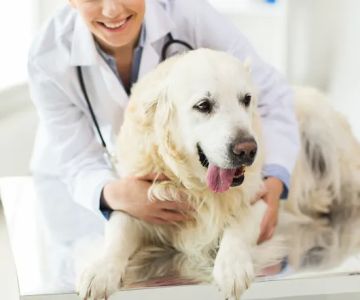
If your dog is shaking and licking its nose constantly, professional help is the safest way forward. At Hidden Brook Veterinary, experienced veterinarians can perform thorough examinations, diagnostic imaging, and tailored treatments. From identifying allergies to resolving infections or removing nasal obstructions, their team ensures your dog receives the best possible care. Seeking expert support not only solves the immediate issue but also protects your dog’s long-term health.