
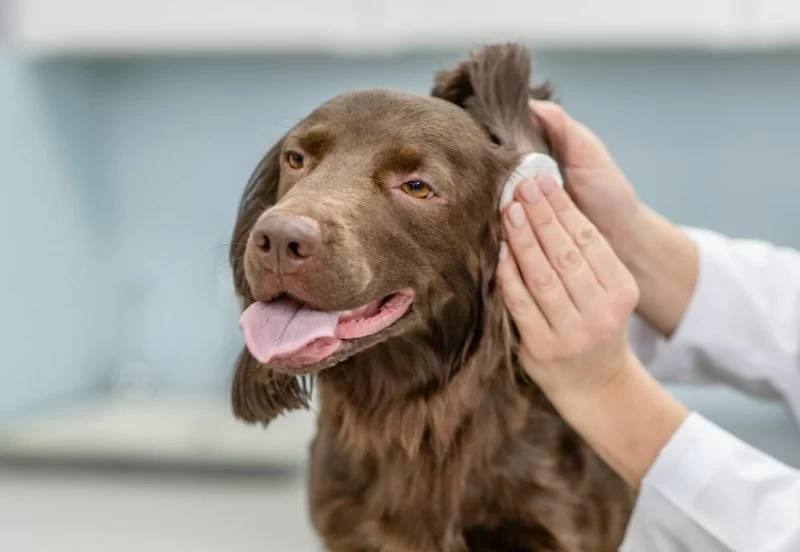
- dog-scratching-ears-excessively
- common-causes-of-ear-scratching-in-dogs
- how-to-recognize-an-ear-problem-before-it-worsens
- real-dog-owner-stories-and-clinic-insights
- how-hidden-brook-veterinary-can-help
1. Dog Scratching Ears Excessively: What’s Really Going On?
It starts with a scratch. Then another. Suddenly, your dog is constantly pawing at their ears, shaking their head, or even whimpering in frustration. If your pup is scratching ears excessively, it’s not just an annoying habit—it’s a signal something deeper might be going on.
Many pet owners mistakenly think it's just a quirk or maybe a stray itch. But in reality, persistent ear scratching often points to an underlying medical issue that needs attention. Understanding the possible causes and knowing when to seek help can make all the difference in your dog’s comfort and long-term health.

2. Common Causes of Ear Scratching in Dogs
2.1 Ear Infections: The #1 Culprit
By far the most common reason for ear scratching in dogs is an ear infection. These can be bacterial, fungal, or yeast-based. Breeds with floppy ears, like Cocker Spaniels or Basset Hounds, are especially prone due to trapped moisture. If left untreated, infections can become chronic and painful.

2.2 Allergies: Environmental or Food-Related
Dogs, like humans, can suffer from allergies. Whether it’s pollen, mold, or even a chicken-based kibble, allergic reactions often manifest in itchy ears and red, inflamed ear canals. Your dog may also lick their paws or develop hot spots elsewhere.
2.3 Ear Mites: Tiny Pests, Big Problems
Especially in puppies and rescue dogs, ear mites can cause intense scratching and dark discharge in the ears. While they’re more common in outdoor cats, dogs can contract them too—especially in multi-pet households. Mites are highly irritating but treatable.
2.4 Foreign Bodies: Grass Seeds, Dust, Debris
If your dog loves romping through tall grass or dirt trails, something as small as a grass seed can lodge deep inside the ear canal. This often causes sudden, severe scratching and head shaking, and may even require sedation for removal.
2.5 Behavioral or Habitual Scratching
Sometimes, after a medical issue has been resolved, a dog may continue scratching out of habit. Stress and boredom can also manifest in compulsive scratching behaviors. A professional exam can help distinguish physical from behavioral causes.
3. How to Recognize an Ear Problem Before It Worsens
3.1 Symptoms to Watch Closely
You might notice a sour or yeasty odor coming from your dog’s ears, redness or swelling inside, or even crust or discharge. Other red flags include constant head tilting, whimpering when touched near the ear, or rubbing the side of the face on carpets or furniture.
3.2 Avoiding the "Wait and See" Mistake
Many owners assume scratching will pass on its own. But waiting too long to treat an ear condition can lead to ruptured eardrums, hearing loss, or the need for surgery in severe cases. The earlier you act, the simpler and safer the treatment tends to be.
3.3 At-Home Care vs. Professional Diagnosis
While routine cleaning with vet-approved solutions can help prevent buildup, never attempt to treat infections or insert anything into the ear canal without veterinary guidance. Over-the-counter products may worsen the problem or mask critical symptoms.
4. Real Dog Owner Stories and Clinic Insights
4.1 A Case of Misdiagnosed Allergies
One local client at Hidden Brook Veterinary shared how their Labrador had been scratching his ears for weeks. They tried switching shampoos and limiting walks, thinking it was a bug bite. Turns out it was a food allergy to chicken. After a simple diet change and treatment, the scratching stopped within a week.
4.2 The Mystery of the Hidden Foxtail
Another memorable case involved a golden retriever who kept shaking her head violently. Her ears looked clean from the outside, but a sedated ear exam revealed a foxtail lodged deep inside the canal. Without professional help, that small seed could have caused a serious infection or damage.
4.3 When Habit Became Harm
In one behavioral case, a rescue dog continued scratching even after her ears were healthy. Working with a vet behaviorist, her guardians learned the behavior had become a nervous tic. With training and enrichment, the habit was finally broken—without medication.
5. How Hidden Brook Veterinary Can Help
5.1 Advanced Diagnostics and Gentle Handling
At Hidden Brook Veterinary, we take every case of dog scratching ears excessively seriously. With in-house diagnostics, video otoscopy, and ear cytology testing, we can pinpoint the cause and create a precise treatment plan.
5.2 Tailored Treatment Plans
Whether it’s antibiotics for infection, antifungals, allergy management, or safe ear flushing, we customize treatment based on your dog’s unique needs. No guesswork—just expert care.
5.3 Preventative Care and Education
Our goal isn’t just to fix the problem once—it’s to keep it from coming back. From ear-cleaning tutorials to diet evaluations, we empower pet owners with knowledge and tools to support their dog’s long-term ear health.
If your dog’s scratching has gone from casual to constant, don’t wait. Let our experienced team at Hidden Brook Veterinary help your pet find lasting relief and a quieter, more comfortable life.








