- understanding-why-your-dog-refusing-to-walk - Understanding Why Your Dog Is Refusing to Walk
- physical-health-factors-affecting-walks - Physical Health Factors That May Prevent Your Dog from Walking
- behavioral-and-environmental-triggers - Behavioral and Environmental Reasons Dogs Refuse to Walk
- real-cases-that-shine-a-light-on-the-problem - Real Cases That Shine a Light on the Problem
- solutions-to-encourage-walking-again - Solutions and Tips to Encourage Walking Again
- when-to-consult-hidden-brook-veterinary - When to Turn to Hidden Brook Veterinary for Help
1. Understanding Why Your Dog Is Refusing to Walk
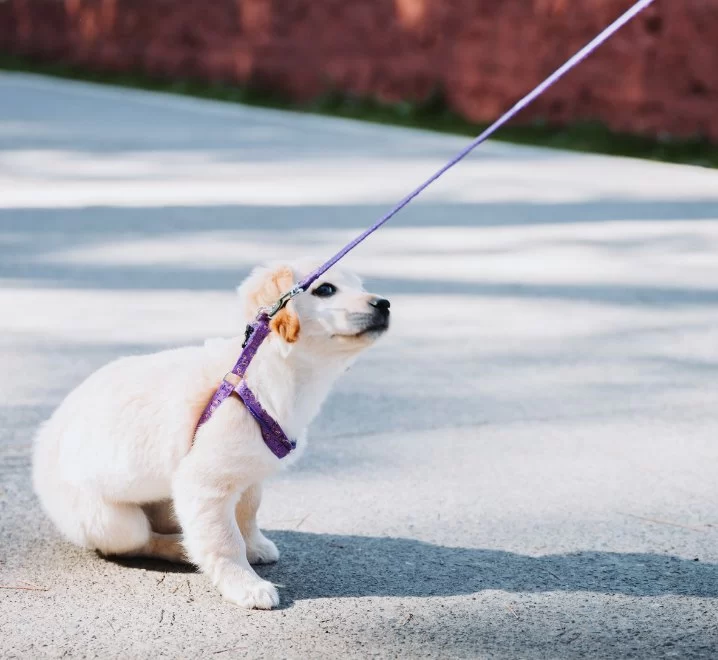
It’s a familiar scenario for many dog owners: leash in hand, shoes on, and your dog suddenly plants their feet or lies down with zero intention of moving. A dog refusing to walk can feel confusing, even frustrating—but it's rarely about stubbornness. More often than not, there’s an underlying cause that deserves attention, ranging from physical discomfort to emotional stress.
Unpacking this behavior means looking at the full picture: your dog’s routine, environment, personality, and overall health. The key to resolving the issue starts with listening—really observing—and responding with patience and care.

2. Physical Health Factors That May Prevent Your Dog from Walking
2.1 Pain and Mobility Issues
Joint pain, arthritis, hip dysplasia, or soft tissue injuries can all make walking uncomfortable or even painful. Especially in senior dogs or breeds prone to skeletal issues (like dachshunds or German shepherds), a sudden refusal to walk could be their way of saying, “This hurts.”

2.2 Paw and Nail Problems
Hot pavement, sharp debris, or overgrown nails can make every step a struggle. Always check your dog’s paws for cuts, thorns, or signs of irritation. If they’re pulling back when you try to guide them, the issue could literally be at ground level.
2.3 Illness or Fatigue
Dogs feeling unwell or lacking energy—due to infections, fever, or even something as subtle as dehydration—may not show it overtly. Walking is one of the first activities they may resist when they’re under the weather.
3. Behavioral and Environmental Reasons Dogs Refuse to Walk
3.1 Fear and Anxiety
New routes, noisy traffic, unfamiliar dogs, or even sudden weather changes can overwhelm your pup. Some dogs associate certain areas with negative experiences (like a run-in with an aggressive dog) and will stop walking to avoid it.
3.2 Lack of Training or Motivation
Especially with puppies, walking on a leash is a learned behavior. Without gradual training, they may lie down or pull in protest. For more experienced dogs, it could simply be boredom with routine. A new route or destination might be all it takes to reignite their enthusiasm.
3.3 Overstimulation
In high-energy environments, some dogs freeze instead of react. Crowded parks, blaring music, or heavy foot traffic can create sensory overload. Your dog isn’t being dramatic—they might just be overwhelmed and unsure how to proceed.
4. Real Cases That Shine a Light on the Problem
4.1 Luna, the Golden Retriever Who Hated Left Turns
Luna’s owner noticed she would only stop walking at one particular intersection. After retracing their steps, they realized she had been startled by a loud motorcycle there weeks prior. The solution? Gradual desensitization and extra treats when approaching that spot.
4.2 Buster, the Bulldog with Sore Feet
Buster began sitting down midway through his evening walk. A quick exam at the vet revealed cracked, dry paw pads worsened by hot pavement. A switch to morning walks and paw balm changed everything—he was back to his happy, wiggly self within days.
4.3 Rosie, the Rescue Who Feared the Leash
Rescued from a stressful environment, Rosie would panic at the sight of a leash. With help from a behaviorist and a lot of positive reinforcement, she learned to associate walks with safety instead of fear. Her progress was slow but heartwarming.
5. Solutions and Tips to Encourage Walking Again
5.1 Rule Out Medical Issues First
Before assuming behavioral causes, schedule a wellness check. A limp, subtle tremor, or even unusual breathing can indicate pain or illness that deserves immediate attention.
5.2 Make Walks Fun Again
Bring your dog’s favorite toy, use high-value treats, and mix up your walking route. Turn the walk into a game instead of a chore. Short bursts of fun are better than long walks that feel forced.
5.3 Desensitize and Reward
If fear or overstimulation is the issue, start small—maybe just stepping outside the front door. Use treats, praise, and calm encouragement. Let your dog set the pace and celebrate every small win.
5.4 Try Equipment Adjustments
Some dogs dislike specific harnesses or collars. Switching to a well-fitted, padded harness or a gentle-leader might be more comfortable and offer a greater sense of control.
6. When to Turn to Hidden Brook Veterinary for Help
6.1 Trust Your Gut—and Your Dog
If your dog’s refusal to walk is sudden, consistent, or accompanied by other symptoms—like limping, whining, or changes in appetite—don’t wait. These could be signs of something more serious.
6.2 Get Expert Insight
At Hidden Brook Veterinary, our team takes a full-body, whole-behavior approach to pet care. Whether it’s diagnosing joint issues, treating paw injuries, or identifying stress triggers, we work to uncover the “why” behind every paw pause.
6.3 Helping You Rebuild Trust with Your Pup
You know your dog best—but you don’t have to navigate challenges alone. Hidden Brook Veterinary partners with owners to restore comfort, confidence, and joy to every walk—one paw step at a time.