- understanding-dog-rapid-breathing-after-exercise
- normal-vs-abnormal-breathing-patterns-in-dogs
- common-causes-of-rapid-breathing-after-activity
- how-to-help-your-dog-recover-safely-after-exercise
- real-life-examples-of-dog-exercise-and-breathing
- when-to-seek-veterinary-care-for-breathing-issues
1. Understanding Dog Rapid Breathing After Exercise
If you've just taken your dog for a walk or a lively game of fetch and noticed they’re panting heavily or breathing rapidly, you're not alone in wondering if this is normal. “Dog rapid breathing after exercise” is a common concern among pet parents, especially when they notice something out of the ordinary.
Dogs don’t sweat like humans. Instead, they regulate temperature by panting. After a workout or even moderate activity, rapid breathing helps them cool down and restore oxygen. However, understanding the difference between normal post-exercise recovery and potential warning signs is crucial.
2. Normal vs Abnormal Breathing Patterns in Dogs
2.1 What Counts as Normal Post-Exercise Breathing?
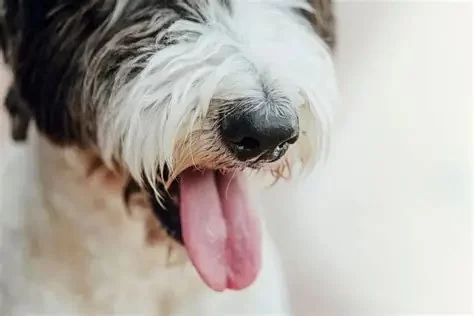
Normal rapid breathing in dogs can be loud, fast, and include tongue hanging and open-mouth panting. It usually slows down within 10-15 minutes after activity. The breathing rate should return to baseline, and your dog should appear alert, relaxed, and comfortable.
2.2 Red Flags That May Indicate a Problem
If your dog’s breathing remains rapid long after the exercise ends—or worsens—you may be seeing a sign of an underlying issue. Watch for:
- Breathing that stays rapid for over 30 minutes post-exercise
- Blue or pale gums and tongue
- Excessive drooling or foaming
- Collapse or weakness
These symptoms may point to heat exhaustion, cardiovascular stress, or even respiratory disease and should be addressed immediately.
3. Common Causes of Rapid Breathing After Activity
3.1 Heat and Humidity
Warm weather significantly impacts how dogs breathe during and after exercise. Overheating can cause extended panting or even hyperthermia. Always ensure water is readily available and limit exercise to cooler parts of the day.
3.2 Overexertion
Just like humans, dogs can push past their limits—especially energetic breeds. Rapid breathing may simply be a sign that your dog has overdone it. Gradually build endurance, and keep an eye on fatigue signals.
3.3 Breed-Specific Traits
Some breeds, especially brachycephalic (flat-faced) types like Bulldogs or Pugs, are more prone to respiratory distress. For these dogs, even moderate exercise can lead to rapid breathing that should be monitored closely.
3.4 Underlying Health Conditions
Dogs with heart murmurs, lung issues, or obesity may exhibit exaggerated breathing after exercise. If rapid breathing becomes routine after minimal exertion, a vet visit is strongly recommended.
4. How to Help Your Dog Recover Safely After Exercise
4.1 Create a Cool-Down Environment
After a walk or run, guide your dog to a shaded, cool area with good airflow. Offer fresh water, and avoid immediately returning to a hot car or asphalt. Lying down on cool tiles or a fan-assisted space helps regulate their body temperature.
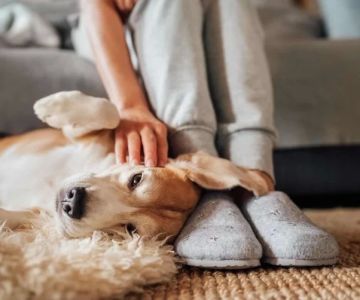
4.2 Gentle Post-Exercise Massage
Some dogs benefit from gentle massage on their back and thighs after playtime. This helps muscles relax and can ease breathing by promoting calmness. One pet owner at Hidden Brook Veterinary shared how her anxious terrier calms down significantly faster with a post-walk massage.
4.3 Monitor and Rest
Watch your dog closely for the first 20–30 minutes after physical activity. If breathing does not slow or if symptoms worsen, it's time to consult a vet. Don't encourage further play until their breathing has stabilized fully.
5. Real-Life Examples of Dog Exercise and Breathing
Jake, a 6-year-old Golden Retriever, loved chasing tennis balls. One summer afternoon, after a long fetch session, his breathing didn’t return to normal for over 40 minutes. His owner thought it was just the heat—until Jake collapsed. At Hidden Brook Veterinary, he was diagnosed with heatstroke and needed IV fluids and rest. Now, Jake’s walks are carefully timed for early mornings.
Contrast that with Luna, a young Border Collie, who also breathes rapidly after exercise—but returns to normal in under 15 minutes. Her breathing may seem intense, but after consultation, her vet confirmed it was just her high-energy recovery response.
6. When to Seek Veterinary Care for Breathing Issues
If your dog’s rapid breathing after exercise is frequent, persistent, or accompanied by signs like coughing, lethargy, or discolored gums, professional help is essential. Conditions such as tracheal collapse, lung infections, or cardiac issues are not always visible without diagnostic tools.
At Hidden Brook Veterinary, our team uses advanced imaging and cardiopulmonary assessments to detect underlying conditions early. Trust your instincts—if something doesn’t seem right, getting expert advice is the best thing you can do for your dog.
Understanding “dog rapid breathing after exercise” helps pet owners distinguish between healthy exertion and a call for concern. Knowledge, attentiveness, and timely action can make all the difference in your dog’s health and safety.