- Understanding Dog Over-Grooming
- Common Causes of Hair Thinning in Dogs
- Behavioral Triggers for Excessive Grooming
- Natural Remedies and Home Care
- Real-Life Stories From Dog Owners
- When to Seek Veterinary Help
- Hidden Brook Veterinary Guidance
Understanding Dog Over-Grooming
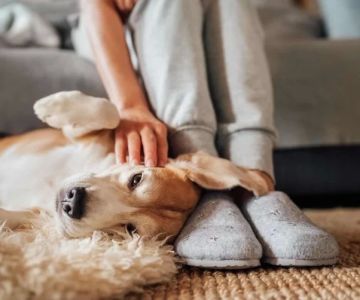
Dog over-grooming and hair thinning are concerns that many pet owners face at some point. While it’s natural for dogs to lick or groom themselves occasionally, constant licking or chewing can quickly become excessive, leading to bald patches, skin irritation, and even secondary infections. Over-grooming is often a symptom rather than the root cause, which means owners need to look deeper to uncover what’s triggering this behavior. Recognizing the signs early can help prevent long-term skin and coat problems.
Common Causes of Hair Thinning in Dogs
Hair thinning in dogs can result from multiple factors, ranging from medical conditions to environmental triggers. Allergies to food, pollen, or flea bites are among the most common causes. Dogs with hormonal imbalances, such as hypothyroidism or Cushing’s disease, may also develop thinning coats. Nutritional deficiencies, especially a lack of essential fatty acids, can weaken hair follicles. In some cases, underlying infections or parasites may irritate the skin and trigger over-grooming behaviors that worsen hair loss.

Behavioral Triggers for Excessive Grooming
Beyond physical causes, behavioral triggers often play a large role in dog over-grooming and hair thinning. Stress, anxiety, or boredom can cause dogs to lick compulsively as a form of self-soothing. Dogs left alone for long hours may develop habits similar to nail-biting in humans. For example, one owner noticed her Border Collie began chewing at his paws after moving to a new home. The behavior was less about skin irritation and more about coping with a stressful change in environment.
Natural Remedies and Home Care
For pet owners who prefer gentle approaches, natural remedies can help ease over-grooming and promote healthier coats. Adding omega-3 supplements or fish oil to a dog’s diet supports skin hydration and hair growth. Aloe vera gels (pet-safe varieties) can soothe irritated patches. Regular grooming with a soft brush helps distribute natural oils and reduces the dog’s urge to lick excessively. Consistency in diet, environment, and care is key, as sudden changes often worsen the issue. Owners should also maintain a flea-free environment, since even a single flea bite can trigger intense over-grooming in sensitive dogs.
Real-Life Stories From Dog Owners
Pet communities often share stories of dogs overcoming hair thinning through holistic care. A family in Texas reported that switching their Labrador to a grain-free diet and supplementing with salmon oil significantly improved her coat within two months. Another owner described how daily enrichment activities like puzzle toys and more walks reduced her dog’s stress licking after she returned to a full-time job. These stories highlight the importance of addressing both physical and emotional needs when tackling over-grooming problems.
When to Seek Veterinary Help
While home remedies can offer relief, there are situations where professional help is necessary. If your dog’s hair thinning continues despite changes in diet and environment, or if you notice raw, inflamed, or infected areas, it’s time to visit the vet. Persistent over-grooming can indicate underlying medical issues that need blood tests, skin scrapes, or allergy screenings. Ignoring severe cases can lead to long-term discomfort and more serious complications.
Hidden Brook Veterinary Guidance
Experts at Hidden Brook Veterinary emphasize that every case of dog over-grooming is unique. They recommend a balanced approach: ruling out medical causes first, addressing any allergies, and then considering behavioral adjustments. Their advice often includes a mix of dietary supplements, environmental enrichment, and, in some cases, prescription treatments. By combining natural remedies with veterinary care, dog owners can effectively manage hair thinning while improving their pets’ overall well-being. Seeking expert guidance ensures your dog receives the right treatment tailored to their needs.