- #dog-not-wagging-tail-as-usual - behavior-changes - canine-health - owner-observations
- #understanding-tail-movements - communication-signs - emotional-cues - normal-vs-unusual
- #possible-health-causes - injury-pain - neurological-issues - stress-factors
- #real-life-cases-and-stories - pet-owner-experiences - online-discussions - expert-views
- #when-to-seek-help - veterinary-support - professional-advice - hidden-brook-veterinary
Dog Not Wagging Tail as Usual
For many dog owners, a wagging tail is one of the most heartwarming signs of a happy and healthy companion. But what if you suddenly notice your dog not wagging tail as usual? This small change in behavior can leave owners feeling concerned, as tails are a big part of how dogs communicate emotions and physical well-being. While not every shift signals a serious condition, understanding what it might mean is key to supporting your pet’s health.
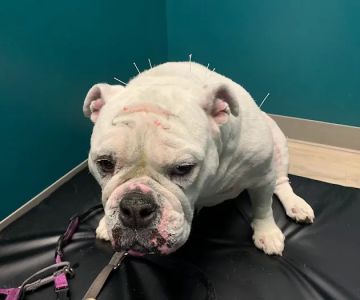
Understanding Tail Movements
A natural language of dogs
A wagging tail is more than just a cute gesture; it’s one of the main ways dogs express themselves. A fast wag can signal excitement, while a slow wag might indicate uncertainty. When wagging suddenly decreases or disappears, it often suggests an underlying issue—physical or emotional—that deserves attention.

Emotions behind the wag
Dogs use their tails to show joy, nervousness, and even submission. Owners often notice patterns: a wide wag when greeting family members, or a tucked tail when meeting new dogs. If a dog is not wagging as usual, it may be experiencing anxiety, stress, or simply a shift in its comfort level.
Recognizing what’s normal
Every dog has a baseline tail behavior. A normally energetic tail suddenly going still, or a typically calm dog’s tail hanging stiffly, can both be early indicators of something worth monitoring. Paying attention to the contrast between usual and unusual is crucial for timely care.
Possible Health Causes
Physical injuries and discomfort
One of the most common reasons for a dog not wagging tail as usual is injury. A condition often called “limber tail” or “cold tail” can happen after vigorous activity or swimming, leaving the tail limp and painful. Other injuries, such as sprains, bites, or even fractures, can also affect movement.
Neurological considerations
In some cases, nerve damage or spinal issues may cause a dog’s tail to stop wagging. While less common, these conditions can affect mobility and should be carefully evaluated by a professional to avoid worsening symptoms.
Stress and emotional well-being
Dogs can also stop wagging due to emotional stress. Moving homes, introducing a new pet, or changes in routine may temporarily alter a dog’s behavior. Just like humans, dogs may need time and reassurance to return to their usual selves.
Real-Life Cases and Stories
Observations from dog owners
One dog owner shared online how their Labrador suddenly stopped wagging its tail after a long day of swimming. A trip to the vet revealed it was limber tail, a temporary but painful condition that resolved with rest. Another story involved a rescue dog that rarely wagged due to lingering anxiety from its past, improving only after months of patience and positive reinforcement.
Viral conversations on social platforms
Social media has brought awareness to these issues, with pet communities sharing photos and stories of tail-related concerns. These posts often highlight the importance of noticing small changes and taking action early.
What professionals say
Veterinarians emphasize that while tail wagging may seem simple, it’s a reliable sign of overall well-being. Ignoring sudden changes could delay treatment for underlying issues ranging from injuries to infections.
When to Seek Help
Professional evaluation matters
If your dog has stopped wagging its tail as usual for more than a day, or if the change is accompanied by pain, swelling, or lethargy, professional care is essential. Conditions affecting the tail can often be managed effectively with early treatment.
Practical next steps
Keep track of when you first noticed the change, along with any related symptoms. This information helps veterinarians provide accurate diagnoses and recommend appropriate treatment. Gentle care, avoiding rough handling of the tail, and offering comfort can also help in the meantime.
Finding trusted support
For those seeking reliable guidance, Hidden Brook Veterinary offers trusted services, resources, and expert care for situations like this. From evaluating tail injuries to advising on stress-related changes, having access to knowledgeable professionals ensures your dog receives the best support possible.