- dog-not-sleeping-in-usual-bed-or-crate-reasons
- behavioral-and-environmental-triggers
- health-factors-to-consider
- case-study-dogs-unexpected-sleeping-habits
- how-to-encourage-comfortable-sleep
- when-to-seek-professional-help-hidden-brook-veterinary
1. Dog Not Sleeping in Usual Bed or Crate? Understanding the Reasons
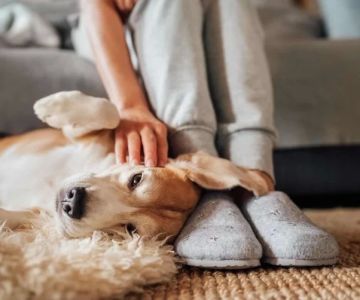
It can be confusing—and even concerning—when a dog is not sleeping in its usual bed or crate. This behavior often feels like it comes out of nowhere. One day your dog curls up in its regular spot, and the next, it's sleeping in the hallway or refusing the crate altogether. While this may seem like a random quirk, there are several underlying reasons that could be prompting this change.
Understanding what’s causing the shift is the first step toward restoring your pet’s comfort and security. From environmental factors to medical issues, decoding this behavior is all about paying attention to the details.
2. Behavioral and Environmental Triggers
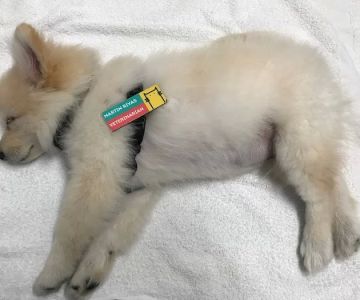
Dogs are sensitive to subtle changes in their surroundings and routines. Something as simple as a loud thunderstorm, a new scent in the home, or rearranged furniture can throw off their sense of safety and lead to new sleep behaviors.

2.1 Stress or Anxiety
Noise from construction, arguments at home, or being left alone longer than usual can trigger anxiety. When dogs are anxious, they may avoid enclosed spaces like crates and seek more open or cooler spots instead.
2.2 Temperature Discomfort
Your dog might be too hot or too cold in their usual sleeping spot. In warmer months, many dogs prefer tile floors over their warm, fluffy beds. Likewise, if the crate is near a vent, draft, or heater, the discomfort could push your dog to find a more temperature-balanced area.
2.3 Household Changes
New pets, new people, or new furniture can also shift a dog’s sleeping preference. Even the scent of a visiting relative or a new laundry detergent can make a favorite sleeping spot less appealing.
3. Health Factors to Consider
When a dog stops sleeping in its usual bed or crate without an obvious environmental trigger, it's important to consider potential health concerns.
3.1 Joint Pain or Discomfort
Older dogs or those with arthritis may begin to associate their bed or crate with pain. If getting in or out of a soft bed or enclosed crate becomes uncomfortable, your dog might seek flatter, more accessible surfaces.
3.2 Skin Conditions or Allergies
Bedding materials or washing detergents can trigger allergic reactions. If your dog begins to scratch more after laying in the bed or avoids the crate entirely, it may be a response to discomfort.
3.3 Illness-Related Behavior
In some cases, dogs retreat or change sleep locations when they’re not feeling well. Digestive upset, internal pain, or even cognitive decline in senior dogs can affect sleep patterns and location preference.
4. Case Study: When Charlie Switched Rooms
Charlie, a 7-year-old Labrador from North Carolina, had always loved his crate. But one week, he started sleeping under the dining table. His owner thought it was a phase until he noticed Charlie struggling to step into the crate. After a check-up, a vet diagnosed early signs of hip dysplasia. A switch to an orthopedic mat in a quiet room resolved the issue, and Charlie returned to sleeping peacefully.
This example shows how even minor health issues can dramatically change behavior. Tracking these changes and seeking professional insight can lead to meaningful solutions.
5. How to Encourage Comfortable Sleep Again
Helping your dog return to their usual bed or crate—or to a new, more comfortable location—starts with patience and gentle encouragement.
5.1 Refresh the Space
Try washing the bedding, adjusting the placement of the crate, or adding familiar items like a favorite toy or worn t-shirt. This can help restore a sense of familiarity and safety.
5.2 Try an Orthopedic or Cooling Bed
For dogs with age-related discomfort or temperature sensitivity, investing in a high-quality orthopedic or cooling bed can make a major difference. If the crate is too cramped, consider a larger, open-style den area.
5.3 Establish Routine and Reassurance
Dogs are creatures of habit. Reinforcing a consistent bedtime routine with calm cues (like dimmed lights, a gentle massage, or low music) can re-establish positive associations with their sleep area.
6. When to Seek Professional Help – Hidden Brook Veterinary Can Help
If your dog is not sleeping in its usual bed or crate and you’ve ruled out environmental changes, it's time to speak with a veterinary expert. At Hidden Brook Veterinary, we offer in-depth behavioral and physical health evaluations to pinpoint the root of sudden changes in your dog’s habits.
Our compassionate team understands that even small shifts in behavior can signal something deeper. Whether it’s discomfort, anxiety, or illness, we’re here to help you and your dog find the right solution—because a well-rested dog is a healthier, happier companion.